
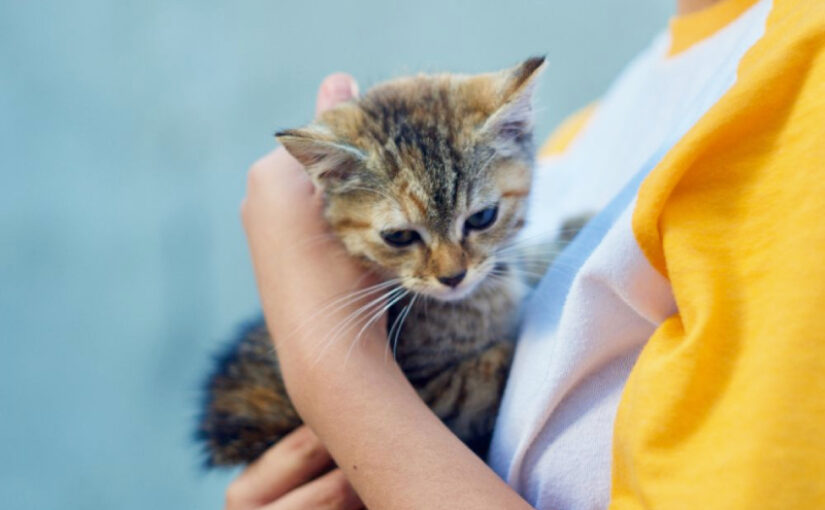
Welcoming a playful pet into your home is a thrilling experience—but adopting a kitten is more than just picking the cutest one from the litter. It’s a lifelong commitment filled with responsibility, care, and lots of love. Whether you’re a new pet owner or bringing an additional cat into your household, there are several important things to consider to ensure your kitten grows into a healthy, happy cat.
Preparing Your Home for a New Kitten
Before adopting a kitten, you’ll need to kitten-proof your home. Curious by nature, kittens will explore every nook and cranny. Remove toxic plants, secure loose wires, and keep small items that could be swallowed out of reach. Establish a secure area with a comfortable bed, a litter box, a couple of toys for entertainment, and dishes for food and water.
Essential Supplies You’ll Need
To give your new feline friend the best start, gather these basic supplies:
- High-quality kitten food (wet and dry)
- Litter and a litter box
- Food and water bowls (preferably ceramic or stainless steel)
- Scratching post or pad
- Toys for mental stimulation
- Soft bedding
- Carrier for trips to the vet
Having these items ready before adopting a kitten makes the transition smoother for both of you.
Veterinary Care and Vaccinations
One of the first things to do after adopting a kitten is schedule a vet visit. Your kitten will need vaccinations, deworming, and a wellness check. Discuss spaying or neutering and microchipping for identification with your veterinarian. Regular care at this stage can help avoid health problems later on.
Socialization and Training
Kittens are like sponges during their early months. Introduce them to a variety of individuals, sounds, and experiences to assist in their development into balanced adult cats. Introduce them gradually to other pets and household members. Start basic litter training immediately—it usually comes naturally, but consistency is key.
Nutrition and Feeding Schedule
Kittens need a distinct diet compared to that of adult cats. Choose a food formulated for kittens to ensure they get the right balance of nutrients for growth. Feed small, frequent meals throughout the day, and always provide clean, fresh water.
Mistakes to Avoid When Adopting a Kitten
- Skipping vet visits: Early check-ups are vital.
- Feeding adult cat food: It lacks essential nutrients for growing kittens.
- Ignoring behavioral signs: Sudden aggression or hiding could indicate a health or stress issue.
- Letting them roam outside too early: Young kittens are vulnerable to many dangers outdoors.
Avoiding these pitfalls will set you and your kitten up for success.
Quick Guide: What to Know Before and After Adopting a Kitten
| Category | Key Points |
|---|---|
| Home Preparation | Remove hazards, secure wires, provide a safe space with bedding and toys |
| Must-Have Supplies | Kitten food, litter box, scratching post, toys, bowls, bed, carrier |
| Veterinary Care | Schedule vet visit, vaccinations, deworming, spay/neuter, microchip |
| Nutrition | Feed high-quality kitten food; provide fresh water at all times |
| Socialization | Gradually introduce to people, pets, and environments |
| Training | Start litter box training early; be consistent and patient |
| Common Mistakes | Skipping vet visits, wrong food, ignoring health signs, outdoor exposure |
Conclusion: The Joy and Responsibility of Adopting a Kitten
Adopting a kitten is an enriching experience, but it requires time, effort, and dedication. From preparing your home to providing proper veterinary care and nutrition, every step you take ensures your kitten grows into a healthy, loving companion. By educating yourself and committing to their well-being, you’ll be ready to give your new furry friend the best possible start in life.
Frequently Asked Questions (FAQ)
When bringing a new kitten home, start by creating a calm, safe space with essentials like food, water, a litter box, and bedding. Give them time to adjust, and gradually introduce them to other areas and family members.
Kittens typically need vet visits every 3–4 weeks until they’re about 16 weeks old. These visits cover vaccinations, deworming, and health checks. Afterward, annual checkups are recommended.
Premium kitten food that is designed specifically for their growth and development is the most suitable option. Seek out brands that specify genuine meat as the primary ingredient and comply with AAFCO guidelines for kitten nutrition.
Most kittens instinctively use a litter box. To help them, place the box in a quiet, accessible location and show them where it is after meals or naps. Keep it clean and avoid moving it frequently.
Kittens can be introduced to other pets once they’re comfortable in their new environment and have been cleared by a vet. Introduce them slowly and under supervision to prevent stress or aggression.