
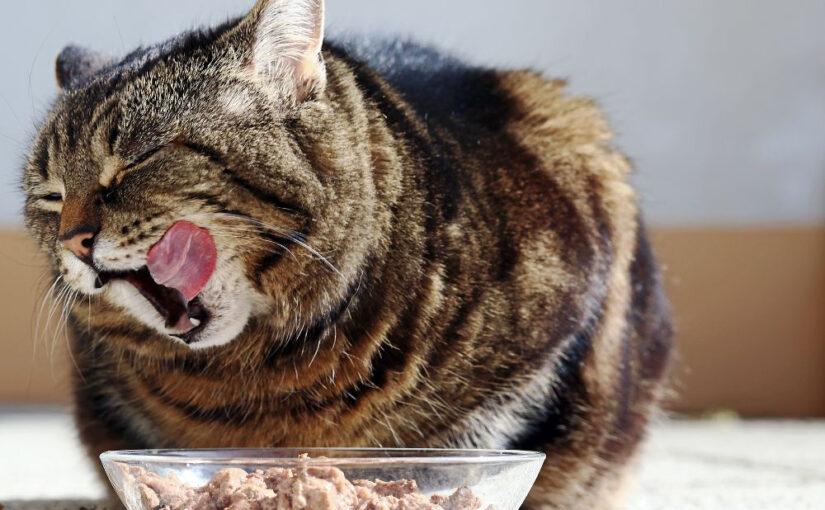
As your adult cat moves past the kitten stage, their dietary needs change considerably. Maintaining a healthy weight, bolstering organ function, and encouraging an active, energetic lifestyle all depend on proper diet. With many cat food options available, it’s crucial to select high-quality products that meet the specific needs of an adult cat. In this article, we will explore the best food options to keep your feline friend in optimal health.
Understanding Adult Cat Nutrition
In contrast to kittens, grown cats need a reduced number of calories and a well-rounded nutrient intake to support their overall well-being. A nutritious diet should include:
- High-quality protein: Include animal sources such as chicken, turkey, or fish to help maintain muscle.
- Essential fatty acids: For maintaining a healthy skin and coat.
- Taurine: An essential amino acid, helping support heart and eye health.
- Vitamins and minerals: For immune support and organ function.
- Fiber: To aid digestion and prevent hairballs.
Feeding your adult cat the right balance of these nutrients is key to preventing obesity, diabetes, and other common feline health issues.
Top Food Types for Adult Cats
1. High-Protein Dry Food
Look for premium dry cat foods that list real meat as the first ingredient. Avoid brands that use by-products or fillers like corn and soy.
2. Moisture-Rich Wet Food
Wet food is a great option for adult cats, particularly those that do not drink enough water. It enhances hydration and supports urinary tract health.
3. Grain-Free Options
While not all cats are sensitive to grains, choosing grain-free options can benefit those with allergies or digestive issues. Always refer to your veterinarian before making any changes to your pet’s diet.
4. Prescription Diets
For cats with medical conditions, such as kidney disease or obesity, veterinarians may recommend a specialized prescription diet tailored to meet your cat’s specific needs.
Tips for Feeding Your Adult Cat
- Portion control is critical. Overfeeding can quickly lead to obesity.
- Maintain a consistent feeding schedule. Adult cats thrive on routine.
- Monitor your cat’s weight and activity level. Adjust food portions as needed.
- Fresh water should always be available. Especially important if your cat eats primarily dry food.
Best Ingredients to Look For
When selecting food for your adult cat, look for:
- Named meat sources (e.g., “chicken,” not “meat meal”)
- No artificial colors, flavors, or preservatives
- Balanced Omega-3 and Omega-6 fatty acids
- Added probiotics for digestive health
Comparison of Best Food Types for Adult Cats
| Food Type | Key Benefits | Ideal For |
|---|---|---|
| High-Protein Dry Food | Supports lean muscle, easy to store and serve | Active adult cats with no hydration issues |
| Wet Food (Canned) | Promotes hydration, supports urinary health | Cats who don’t drink enough water or have kidney issues |
| Grain-Free Food | Easier to digest, ideal for allergy-sensitive cats | Cats with food sensitivities or digestive problems |
| Prescription Diets | Targets specific health conditions like obesity or kidney disease | Cats with diagnosed medical conditions |
| Raw or Fresh Food | Mimics natural diet, high in real meat | Pet owners following holistic or raw feeding plans |
Conclusion: Feed Your Adult Cat Right for Lifelong Health
Feeding your adult cat a well-balanced, nutrient-rich diet is one of the most important things you can do for their long-term health and happiness. By identifying their particular dietary requirements and selecting premium food options, you’re helping your cat remain lively, fit, and happy for many years ahead.
Frequently Asked Questions (FAQ)
Kitten food is higher in calories, protein, and fat to support rapid growth and development. In contrast, food for older felines is formulated to maintain weight and support long-term health without unnecessary calories.
Most adult cats thrive on two meals per day—morning and evening. Some owners prefer free feeding with dry food, but it’s essential to control portions to prevent overeating.
Wet food has higher moisture content, which aids in hydration and promotes urinary tract health. On the other hand, dry food is more convenient and can help minimize tartar buildup. Many veterinarians suggest a combination of both types of food.
Some human foods are safe in small amounts (like cooked chicken or plain rice), but many common ingredients — such as onions, garlic, and chocolate — are toxic to cats. It’s best to stick with vet-approved treats or specialized food.
Common symptoms may include vomiting, diarrhea, itchy skin, excessive grooming, and hair loss. Consult your veterinarian and think about implementing a hypoallergenic or limited-ingredient diet if you observe these symptoms.