
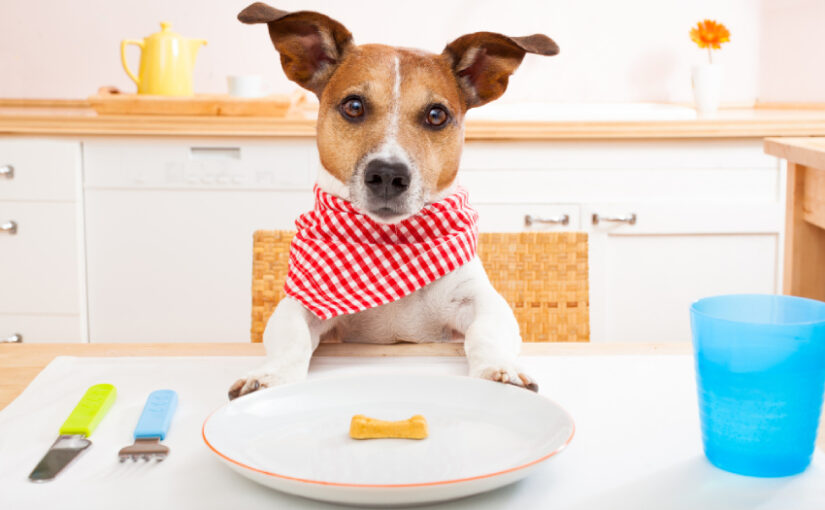
Bringing a new puppy home comes with many exciting moments—and plenty of questions about their diet. One common question pet owners ask is, “at what age can puppies eat human food?” Although it may appear innocent to share your food with your pet, it’s crucial to recognize what they can safely consume and when to do so to promote healthy growth and development.
Understanding Puppy Nutritional Needs
Young dogs have significantly different nutritional needs compared to fully grown dogs. In their early weeks, they rely entirely on their mother’s milk or a specially formulated puppy milk replacer. These provide essential nutrients, antibodies, and calories needed for rapid growth.
Between 3 to 4 weeks of age, most puppies begin weaning—transitioning from milk to solid puppy food. During this stage, it’s best to feed them a high-quality puppy formula that’s soft, easy to digest, and nutritionally balanced. Human food should still be avoided at this point, as their digestive systems are not mature enough to handle it.
So, at What Age Can Puppies Eat Human Food?
Generally, puppies can start trying small amounts of safe human food around 12 weeks of age—but only as an occasional treat and not as a replacement for their complete puppy diet. When wondering at what age puppies can eat human food, the key is moderation and timing.
By 3 months, most puppies’ digestive systems can tolerate mild, plain foods like:
- Boiled chicken (unseasoned and boneless)
- Plain cooked rice or oatmeal
- Steamed vegetables like carrots or green beans
- Small bits of scrambled egg (no butter or oil)
However, not all human foods are safe for dogs. Avoid anything that contains onions, garlic, chocolate, grapes, raisins, salt, or artificial sweeteners (especially xylitol)—as these can be toxic to dogs, even in small amounts.
Why You Should Be Cautious
Even when your puppy reaches 12 weeks or older, human food should only make up a tiny part of their overall diet. Puppy-formulated food is specifically designed to provide the appropriate levels of protein, fat, calcium, and vitamins crucial for bone and muscle growth. Overfeeding with human food can result in:
- Nutrient deficiencies
- Digestive upset
- Weight gain or obesity
- Picky eating habits
Introduce new foods gradually, starting with small amounts, and be attentive to any indications of allergies or digestive issues.
Tips for Introducing Human Food Safely
- Start Small: Offer one new food at a time to monitor reactions.
- Keep It Plain: Avoid seasoning, oils, or sauces.
- Balance Is Key: Use human food as a treat, not a meal.
- Consult Your Vet: Always ask your veterinarian before changing your puppy’s diet.
Safe and Unsafe Human Foods for Puppies
| Type of Food | Safe or Unsafe | Notes & Tips |
|---|---|---|
| Boiled Chicken (plain) | Safe | Excellent source of lean protein. Remove bones and skin. |
| Cooked Rice or Oatmeal | Safe | Easy to digest; good for sensitive stomachs. Serve plain. |
| Carrots (steamed or raw) | Safe | Great for teeth and low in calories. Cut into small pieces. |
| Green Beans (plain) | Safe | Adds fiber and nutrients. Avoid added salt or butter. |
| Scrambled Egg (plain) | Safe | High in protein; avoid oil, butter, or seasoning. |
| Cheese (small amounts) | Caution | Some puppies are lactose intolerant—feed sparingly. |
| Chocolate | Unsafe | Contains theobromine, toxic to dogs. Never feed. |
| Onions and Garlic | Unsafe | Can damage red blood cells and cause anemia. |
| Grapes and Raisins | Unsafe | Even small amounts can cause kidney failure. |
| Foods with Xylitol | Unsafe | Found in sugar-free products; highly toxic to dogs. |
Final Thoughts
To sum it up, if you’re asking “at what age can puppies eat human food,” the safest answer is around 12 weeks old, and only in moderation. Puppies need proper nutrition from balanced puppy food for healthy growth, so human food should remain a small, occasional addition. You may safely give your dog a small bite while maintaining their health and happiness for many years to come if you take the proper precautions.
Frequently Asked Questions (FAQ)
It’s best to avoid feeding table scraps to puppies. Many human foods contain seasonings, fats, or ingredients that may irritate their stomachs or potentially be harmful. Instead, offer small, plain portions of dog-safe foods as treats if approved by your vet.
If your puppy eats a harmful food like chocolate, grapes, or onions, contact your veterinarian immediately. Even a small amount of toxic food can lead to significant health issues like vomiting and fatigue or organ damage.
Yes, certain plain and cooked foods, such as lean meats, eggs, and vegetables, can provide added nutrients when consumed in moderation. However, these should only complement a complete puppy food diet—not replace it.
Skin irritations, itching sensations, ear infections, and gastrointestinal problems including vomiting or diarrhea are common signs of food allergies. If you notice any of these symptoms after feeding a new food, stop offering it and consult your vet for guidance.
No more than 10% of your puppy’s daily caloric intake should come from treats and foods intended for people. Excessive feeding can result in an increase in weight and lead to nutritional discrepancies. Stick to puppy-formulated foods for their main meals and use human food only as an occasional reward.