
Dachshund Breed Information

The Dachshund is a small, long-bodied, and lively dog with a curious and courageous personality. Known for their playful, stubborn, and affectionate nature, they have captured the affection of dog enthusiasts all around. Whether you’re considering bringing a Dachshund into your home or want to learn more, this Dachshund breed information guide covers everything you need to know about Dachshund personality, care, and health.

Dachshund Breed Information Overview

Appearance:

Dachshunds are small dogs with long bodies, short legs, and elongated snouts. They typically weigh between 16–32 pounds (standard) or 8–11 pounds (miniature). Their coat comes in three main types: smooth, long-haired, and wire-haired. Color variations include red, black and tan, chocolate, cream, dapple, and brindle. Their expressive eyes and floppy ears are distinctive features that add to their charm.

Personality/Temperament:

Dachshunds are intelligent, curious, and brave despite their small size. They are playful and affectionate with family members, however, they can be headstrong and self-reliant, which could pose difficulties in training. They are usually friendly and social, though they may take their time with new faces. Their strong prey drive reflects their fascinating hunting background! They enjoy companionship and thrive on attention, making them excellent family pets when socialized early.

Lifespan & Health:

The typical lifespan of a Dachshund ranges from 12 to 16 years. Common health concerns include intervertebral disc disease (IVDD) due to their long spine, obesity, dental issues, and patellar luxation. Preventative care includes maintaining a healthy weight, avoiding excessive jumping, providing joint support when necessary, and regular veterinary check-ups.

Care Requirements

Exercise Needs:

Dachshunds require moderate daily exercise, such as walks, play sessions, or mental stimulation with toys and puzzles. They enjoy activities that engage their hunting instincts, like scent games. Avoid high-impact exercises to protect their back.

Diet & Nutrition:

A high-quality, balanced dog food with controlled portions is essential to prevent obesity. Miniature Dachshunds may require smaller portions than standard ones. Avoid table scraps and monitor weight regularly to support spinal health.

Grooming:

Smooth-coated Dachshunds require minimal grooming—occasional brushing and bathing. Long-haired Dachshunds need regular brushing to prevent mats and tangles. Wire-haired Dachshunds require hand stripping or brushing to maintain their coat texture. All types need regular nail trimming, ear cleaning, and dental care.

Training & Behavior Tips

Dachshunds benefit from patient, consistent, and positive reinforcement-based training. Early socialization is crucial to curb stubbornness and excessive barking. Housebreaking may take time due to their independent streak, but consistency and rewards work well. They may have a tendency to pursue small creatures, so it’s advisable to implement leash training and ensure that fencing is secure.

Best for…

  • Families with children (with supervision due to delicate spine)
  • Apartment or small home living
  • People or households in search of a faithful and fun-loving pet.
  • People willing to commit to consistent training and socialization

Pros and Cons

Pros:

  • Loyal and affectionate
  • Small and portable
  • Intelligent and entertaining

Cons:

  • Can be stubborn or vocal
  • Prone to back problems
  • Requires careful weight management and exercise

Fun Facts / Trivia

  • Originated in Germany as a hunting dog for badgers (“Dachs” = badger, “Hund” = dog).
  • Famous Dachshunds include Waldi, the first Olympic mascot at the 1972 Munich Games.
  • Despite their small size, they have a bold, fearless personality and were bred to dig into burrows.

Conclusion

Dachshunds are small dogs with big personalities—playful, brave, and loving companions. They require moderate exercise, careful back protection, and patient training, but their loyalty and charm make them well worth the effort. Ideal for families, apartment dwellers, and anyone looking for a spunky, affectionate dog, this Dachshund breed information resource highlights why the Dachshund is a breed that makes a memorable impression on your heart.


Frequently Asked Questions (FAQ)

What Are These Long-bodied Dogs Known for?

These little hounds are recognized for their unique shape, lively personalities, instinctive hunting behaviors, and playful, loyal nature.

Are These Small Hounds Good With Families?

Yes, this compact breed bonds closely with family members and usually does well with children and other pets when properly socialized.

How Much Exercise Do These Short-legged Pups Need?

They need moderate daily exercise, such as 20–30 minutes of walks and indoor play, while avoiding activities that strain their backs.

Do These Low-to-the-ground Dogs Face Specific Health Concerns?

Yes, their elongated frame makes them prone to spinal issues. Maintaining a healthy weight and reducing jumping can help prevent problems.

Are These Little Scent Hounds Easy to Train?

They can be trained but may be a bit stubborn. Consistent routines, positive reinforcement, and early socialization work best.

What Kind of Home is Best for These Small Hounds?

They thrive in homes where they get daily attention and moderate exercise. Apartments are fine if they receive regular walks and playtime, and families that can supervise their back-friendly activities are ideal.


French Bulldog Breed Information

The French Bulldog is a small, muscular, and compact breed with a friendly, affectionate nature. Renowned for their cheerful yet relaxed demeanor, they have gained the admiration of dog lovers all over the world. Whether you’re considering bringing a French Bulldog into your home or want to learn more, this guide covers everything you need to know about French Bulldog personality, care, and health.

Breed Overview

Appearance:

French Bulldogs are small, sturdy dogs with a muscular build and a smooth coat. Typically, their weight ranges from 16 to 28 pounds and they are approximately 11 to 12 inches tall at the shoulder. Their signature “bat ears,” short nose, and flat face give them a distinctive, expressive look. Coat colors include fawn, cream, brindle, pied, and combinations of these shades.

Personality/Temperament:

French Bulldogs are affectionate, playful, and highly social. They thrive on human companionship and often form a strong bond with their caregivers. Despite their small size, they are brave and sometimes stubborn. Frenchies are generally low-energy but enjoy short bursts of play. They tend to get along well with children, other pets, and strangers when properly socialized.

Lifespan & Health:

French Bulldogs typically live 10–12 years. They are susceptible to particular health concerns, including brachycephalic syndrome (respiratory challenges caused by their short facial structure), hip dysplasia, allergies, and spinal issues. Preventative care includes maintaining a healthy weight, avoiding extreme heat, regular vet check-ups, and choosing reputable breeders who screen for genetic conditions.

Care Requirements

Exercise Needs:

French Bulldogs need moderate exercise. Short daily walks and playtime are sufficient to keep them healthy and happy. They are not suited for strenuous activity or long runs, especially in hot weather, due to their breathing difficulties.

Diet & Nutrition:

A balanced, high-quality dog food is recommended, with portion sizes based on the dog’s age, weight, and activity level. French Bulldogs are prone to gaining weight, making it crucial to manage their portions and steer clear of giving them table scraps. Some may have food allergies, so monitoring their diet and consulting a vet for recommendations is advisable.

Grooming:

French Bulldogs possess a sleek, short coat that requires minimal grooming. Regular brushing eliminates loose fur and maintains the shine of their coat. Bathing can be done monthly or as needed. The folds on their faces need to be cleaned frequently to avoid infections. Nails should be trimmed routinely, and ears checked for debris.

Training & Behavior Tips

French Bulldogs are most responsive to encouragement and a patient approach. Early socialization is crucial to prevent stubborn or territorial behavior. Although they may show stubbornness occasionally, regular training using treats, commendations, and brief sessions tends to be effective. Housebreaking can take longer than some breeds, so patience and consistency are key.

Best for…

  • Families with children
  • Apartment or city living
  • First-time dog owners seeking a low-maintenance companion

Pros and Cons

Pros:

  • Loyal and affectionate
  • Small and portable
  • Intelligent and charming
  • Adaptable to many living situations

Cons:

  • Can be stubborn or hard to train
  • Prone to breathing issues due to flat face
  • Sensitive to heat and overexertion
  • Can experience costly health issues

Fun Facts / Trivia

  • Origin: French Bulldogs were bred in the 1800s in France as companion dogs, descended from small English Bulldogs.
  • Famous Frenchies: Celebrities including Lady Gaga, Hugh Jackman, and Leonardo DiCaprio have owned French Bulldogs.
  • Unique traits: Their bat-like ears and expressive faces make them highly photogenic and endearing.

Conclusion

The French Bulldog is a loving, playful, and low-maintenance companion perfect for families, apartment dwellers, and anyone looking for a devoted pet. While they require special attention to their health and breathing, their affectionate nature and charming personalities make them among the most beloved small dog breeds worldwide.


Frequently Asked Questions (FAQ)

What Kind of Living Environment is Best for This Breed?

This dog thrives in apartments and homes with limited space due to its small size and moderate activity level. They enjoy being close to their family and don’t require a large yard, but short daily walks and indoor play are important.

How Much Exercise Does This Dog Need?

Moderate activity is sufficient—typically two short walks per day plus play sessions. They are not suited for intense exercise or long runs, especially in hot weather, because of their breathing limitations.

Are There Any Common Health Concerns I Should Watch for?

This breed can experience breathing difficulties, hip problems, and skin sensitivities. Routine veterinary visits, a nutritious diet, and keeping a comfortable temperature at home can help avoid complications.

How Difficult is Training and Socialization?

They can be somewhat stubborn, so training that emphasizes consistent and positive reinforcement is most effective. Early socialization with children, other pets, and strangers helps ensure a well-adjusted and friendly companion.

How Much Grooming is Required?

Grooming needs are relatively low. Weekly brushing, occasional baths, regular nail trims, and cleaning facial folds are sufficient to keep them healthy and comfortable.

Chihuahua Dog Breed Info

The Chihuahua is one of the most miniature dog breeds in the world, yet it boasts a big personality. Known for their loyalty, alertness, and affectionate nature, Chihuahuas have won over the hearts of dog lovers everywhere. Whether you’re considering bringing a Chihuahua into your home or want to learn more about this unique breed, this guide will provide a comprehensive look at their personality, care needs, and health considerations.

Breed Overview

Appearance

Chihuahuas are tiny dogs, usually weighing between 2 and 6 pounds, with a compact body and large, expressive eyes. There are two types of coats: smooth (short-haired) and long-haired, featuring a range of colors and patterns.

Personality/Temperament

Despite their small size, Chihuahuas are confident, alert, and often very attached to their owners. They are intelligent, can be cautious around strangers, and may display a feisty streak. Many enjoy cuddling and are known for forming strong bonds with a single person.

Lifespan & Health

Chihuahuas are a long-lived breed, often reaching 14–18 years. Common health concerns include dental issues, patellar luxation (knee problems), and heart conditions. Routine veterinary examinations and appropriate care are crucial for a lengthy, healthy life.

Care Requirements

Exercise Needs

Chihuahuas require moderate daily exercise, such as short walks and playtime indoors. While they are active, their small size means their exercise needs are lower than those of larger breeds.

Diet & Nutrition

A balanced, high-quality dog food appropriate for small breeds is essential. Portion control is necessary to prevent obesity, which is common in tiny dogs.

Grooming

Smooth-coated Chihuahuas need minimal grooming—regular brushing and occasional baths are sufficient. Chihuahuas with long hair need to be brushed more often to avoid tangles and matting. Consistent dental care is essential because of their tendency to experience dental issues.

Training & Behavior Tips

Chihuahuas are smart and eager to learn, but they can be stubborn. Early socialization is key to preventing over-protectiveness or excessive barking. Positive reinforcement methods work best, and consistency is essential. Crate training can help with housebreaking, while gentle exposure to new people and pets encourages well-rounded social behavior.

Best for…

Chihuahuas are ideal for:

  • People or households seeking a compact, easily transportable companion.
  • People living in apartments or smaller homes
  • Pet owners who love to dedicate a significant amount of time to connecting with their dog.
  • Those prepared to handle a lively, sometimes bossy personality in a small package

Pros and Cons

Pros:

  • Loyal and affectionate
  • Small size makes them easy to manage indoors
  • Long lifespan
  • Intelligent and trainable with patience

Cons:

  • Can be overprotective or bark excessively
  • Fragile due to small size; not ideal for homes with very young children
  • Prone to dental and specific joint issues

Fun Facts / Trivia

  • Chihuahuas are named after the Mexican state of Chihuahua, where they were discovered.
  • They are one of the oldest dog breeds in the Americas, dating back to the ancient Toltec civilization.
  • Despite their tiny stature, Chihuahuas often act fearless, even challenging much larger dogs.
  • Chihuahuas are popular in pop culture, from movies to celebrity pets, which has helped maintain their status as a beloved companion breed.

Conclusion

Chihuahuas may be small, but they offer a big personality and a strong bond with their owners. With the right care, early socialization, and regular vet visits, these wonderful pets become joyful, loving companions, bringing happiness to all kinds of homes! If you’re looking for a devoted, alert, and charming dog, the Chihuahua is a breed worth considering.


Frequently Asked Questions (FAQ)

What Kind of Living Environment Suits a Tiny Dog Best?

Small dogs thrive in apartments or smaller homes where their exercise needs can be met with short walks and indoor play. They enjoy spaces where they feel close to their owners and can safely explore without risk of injury.

How Long Do Miniature Dogs Typically Live?

These small dogs often have a long lifespan, commonly reaching 14–18 years with proper care, regular vet checkups, and attention to diet and dental hygiene.

What Are Some Typical Health Issues Related to Small Companion Dogs?

Common issues include dental problems, knee joint instability, and heart conditions. Preventive care like routine dental cleaning, appropriate exercise, and annual veterinary visits can help maintain their health.

How Much Exercise Does a Tiny Dog Need Each Day?

Moderate daily exercise is sufficient, including short walks and indoor play sessions. While they are energetic, their small size means they do not require long or strenuous activity like larger breeds.

What’s the Best Way to Train a Small Dog With a Bold Personality?

Positive reinforcement methods work best, combined with early socialization and consistent routines. Crate training and gentle exposure to new people and pets help prevent overprotectiveness or excessive barking.

How Often Should You Feed a Puppy? Age Guide

Bringing home a new puppy is exciting—but it also comes with a lot of questions about care and nutrition. One of the most common questions new pet parents ask is how often should you feed a puppy. Puppies grow quickly and have different nutritional needs than adult dogs, so understanding the proper feeding schedule for their age is key to their health and development.

Why Feeding Frequency Matters

Despite having small tummies, puppies require a lot of energy. Growth can be hampered by inadequate or infrequent feeding, while obesity might result from over feeding. A consistent feeding schedule helps regulate digestion, supports healthy metabolism, and sets good eating habits for adulthood.

Puppy Feeding Schedule by Age

0–6 Weeks: Nursing Stage

Newborn puppies should nurse from their mother about every two hours. If the mother isn’t available, a vet-approved puppy milk replacer should be offered on a similar schedule. At this stage, their nutritional needs are met entirely by milk.

6–8 Weeks: Weaning Stage

Around six weeks, puppies start transitioning to solid food. Combine premium puppy food with warm water or puppy formula to create a smooth gruel. Feed them 3–4 times per day as they learn to eat independently.

2–3 Months: Early Puppyhood

At this stage, most puppies are fully weaned. They should eat four small meals a day to maintain steady energy and support rapid growth. Remember, when asking how often should you feed a puppy at this age, the answer is “little and often.”

3–6 Months: Growing Stage

As your puppy grows, you can reduce feedings to three times daily. Choose a puppy food rich in protein, fat, and essential nutrients to fuel muscle and bone development. Avoid overfeeding—stick to portion guidelines on your food label.

6–12 Months: Adolescent Stage

By six months, most puppies can switch to two meals per day. Small breeds may need more frequent meals, while large breeds may do well with fewer, slightly larger portions. Always monitor your dog’s weight and adjust portions as needed.

1 Year and Older: Adult Transition

When your puppy reaches adulthood (around 12 months, or up to 18–24 months for large breeds), you can transition to adult dog food and maintain two meals per day.

Tips for Feeding Your Puppy

  • Stick to a routine: Feed at the same times every day.
  • Measure portions: Avoid free feeding to prevent overeating.
  • Provide fresh water: Hydration is just as important as food.
  • Monitor growth: Consult your vet if your puppy is under- or overweight.
  • Use treats wisely: Treats should make up no more than 10% of daily calories.

Feeding Chart: How Often Should You Feed a Puppy

Puppy Age RangeFeeding FrequencyFood Type / Notes
0–6 weeksEvery 2–3 hoursMother’s milk or puppy milk replacer
6–8 weeks3–4 times per daySoftened puppy food (gruel) during weaning
2–3 months4 times per dayHigh-quality puppy kibble or wet food
3–6 months3 times per dayRegular puppy food with balanced nutrients
6–12 months2–3 times per dayAdjust portions based on breed and size
12+ months (Adult)2 times per dayTransition to adult dog food

Conclusion

Knowing how often should you feed a puppy is one of the most important parts of responsible pet ownership. Following an age-appropriate feeding schedule ensures your puppy gets the nutrients and energy they need to grow into a strong, healthy adult dog. Always seek advice from your veterinarian for tailored feeding guidelines that consider your puppy’s breed, size, and level of activity.


Frequently Asked Questions (FAQ)

What Type of Food is Best for a Young Puppy?

Young puppies do best on high-quality puppy food that’s specifically formulated for growth. Look for food with real meat as the first ingredient, balanced with healthy fats, calcium, and DHA for brain development. Avoid adult dog food, as it doesn’t provide the nutrients puppies need.

Can You Give Treats to a Puppy Every Day?

Yes, but treats should make up no more than 10% of your puppy’s daily calorie intake. Use small, soft training treats and avoid giving human foods that can be harmful, such as chocolate, onions, or grapes.

When Should a Puppy Switch From Puppy Food to Adult Food?

The majority of puppies are able to switch to adult food when they reach between 12 and 18 months of age, which is influenced by their breed size. Small breeds mature faster and can switch earlier, while large or giant breeds may need puppy food for a longer period.

Is It Okay to Leave Food Out for a Puppy All Day?

Free-feeding isn’t recommended for most puppies. Scheduled mealtimes help with portion control, prevent overeating, and make house training easier. Always remove uneaten food after 20–30 minutes.

How Can You Tell if Your Puppy is Eating Enough?

A healthy puppy should have steady weight gain, visible energy, and a shiny coat. If you can feel but not see your puppy’s ribs, their weight is likely ideal. If they seem lethargic or lose weight, consult your vet for a feeding adjustment.

What Can Cats Eat Instead of Cat Food—Safe Picks

Cats are notoriously picky eaters, but sometimes pet owners wonder, what can cats eat instead of cat food? Whether it’s due to emergencies, travel, or simply wanting to give your feline friend a tasty treat, it’s essential to know which foods are safe and healthy. Not all human foods are suitable for cats, and some can even be toxic. In this article, we’ll explore safe alternatives to commercial cat food that can keep your kitty healthy and satisfied.

Understanding Your Cat’s Nutritional Needs

Before considering alternatives, it’s essential to acknowledge that cats are carnivore obligates. This means they require a diet rich in protein and specific essential nutrients, such as taurine, arginine, and vitamin A, which are naturally found in meat. Simply feeding your cat fruits, vegetables, or grains will not meet their nutritional needs. Knowing this helps guide what can cats eat instead of cat food safely.

Safe Foods Cats Can Eat Instead of Cat Food

Here are some of the best human foods that can serve as occasional or emergency alternatives to commercial cat food:

1. Cooked Meat

  • Chicken, turkey, beef, or lamb (plain, no seasoning or bones)
  • Rich in protein and essential amino acids
  • Serve small portions and ensure it’s thoroughly cooked to avoid bacterial contamination

2. Fish

  • Salmon or tuna (cooked and in moderation)
  • Provides omega-3 fatty acids for a healthy coat
  • Avoid raw fish or canned tuna as the main diet—it lacks essential nutrients

3. Eggs

  • Scrambled or boiled eggs
  • Excellent protein source
  • Ensure they are fully cooked to prevent Salmonella

4. Certain Vegetables

  • Carrots, peas, spinach (cooked and finely chopped)
  • Can be added to meat for fiber
  • Avoid onions, garlic, and chives—they are toxic to cats

5. Dairy (in limited amounts)

  • Plain yogurt or cheese
  • Some cats are lactose intolerant, so offer in small quantities
  • Great as an occasional treat rather than a meal replacement

6. Small Portions of Fruits

  • Blueberries, cantaloupe, or apple slices (no seeds)
  • Offer antioxidants and fiber
  • Always give in moderation, as cats don’t require fruit

Foods to Avoid

Knowing what cats shouldn’t eat is just as important as knowing safe options:

  • Chocolate, caffeine, alcohol
  • Onions, garlic, leeks, chives
  • Grapes and raisins
  • Raw dough or raw fish in large amounts

Tips for Feeding Alternatives Safely

  1. Slowly incorporate new foods to avoid causing digestive issues.
  2. Avoid seasoning, sauces, or spices.
  3. Stick to small portions as treats or meal supplements, not daily staples.
  4. Ensure fresh water is always available.

Safe Human Foods for Cats at a Glance

Food CategoryExamplesServing Tips & Precautions
Cooked MeatChicken, Turkey, Beef, LambPlain, fully cooked, no bones or seasoning
FishSalmon, TunaCooked, small portions, occasional treat
EggsScrambled, BoiledFully cooked to avoid salmonella
VegetablesCarrots, Peas, SpinachCooked and finely chopped; avoid onions, garlic, chives
Dairy (Limited)Plain Yogurt, CheeseSmall amounts only; check for lactose intolerance
Fruits (Limited)Blueberries, Cantaloupe, AppleRemove seeds; give in moderation

Conclusion

If you’re asking what can cats eat instead of cat food, there are several safe options available, including cooked meats, eggs, certain vegetables, and occasional fruits. Always remember that these foods should complement, not completely replace, a balanced commercial cat diet, unless directed by a veterinarian. Feeding your cat the right alternatives ensures they stay healthy, happy, and thriving without risking nutritional deficiencies or toxicity.


Frequently Asked Questions (FAQ)

Can Cats Eat Raw Meat Safely?

Raw meat carries a risk of bacteria like Salmonella and E. coli, which can make cats sick. If feeding meat, it’s safer to cook it thoroughly and remove any bones.

Are Eggs Good for Cats?

Yes, fully cooked eggs are a healthy source of protein and essential amino acids. Steer clear of raw eggs to minimize the risk of foodborne illness.

Which Fruits Are Safe for Cats?

Small amounts of fruits like blueberries, cantaloupe, or peeled apple slices can be offered as treats. Always remove seeds and give in moderation.

Can Cats Have Dairy Products?

Some cats can handle small quantities of plain yogurt or cheese, but many are lactose intolerant. Introduce dairy slowly and watch for digestive upset.

Is It Okay to Give Cats Vegetables?

Certain vegetables like cooked carrots, peas, and spinach can provide fiber and nutrients. Avoid onions, garlic, and chives, which are toxic to cats.

What to Feed Your Dog Instead of Dog Food: Safe Options

As a loving pet owner, you may sometimes wonder what to feed your dog instead of dog food. If your dog suffers from allergies, has digestive problems, or you just want to give them a more natural diet, there are many safe options beyond commercial dog food. Knowing which human foods are safe and beneficial for dogs can assist you in keeping them healthy and happy.

Why Consider Alternatives to Dog Food?

While high-quality dog food provides a balanced diet, there are times when homemade or alternative options may be beneficial. Dogs with food sensitivities, specific health conditions, or picky eaters may require different nutrition. Additionally, some owners prefer controlling the ingredients in their dog’s meals to avoid preservatives, fillers, or artificial additives.

However, it’s crucial to know what to feed your dog instead of dog food safely. Not all human foods are suitable for dogs, and some can be toxic or harmful.

Safe Alternatives to Dog Food

Here’s a list of safe and nutritious options you can consider when exploring what to feed your dog instead of dog food:

1. Lean Proteins

Dogs need protein for energy and muscle maintenance. Safe protein sources include:

  • Cooked chicken or turkey (skinless, boneless)
  • Lean beef (cooked thoroughly)
  • Eggs (boiled or scrambled without seasoning)
  • Fish like salmon or sardines (cooked and deboned)

2. Vegetables

Certain vegetables provide fiber, vitamins, and minerals:

  • Carrots
  • Green beans
  • Sweet potatoes
  • Peas
  • Pumpkin

Avoid onions, garlic, and raw potatoes, as these can be toxic to dogs.

3. Fruits

Fruits can be a healthy treat in moderation:

  • Apples (seedless)
  • Blueberries
  • Strawberries
  • Bananas
  • Watermelon (seedless)

4. Grains and Starches

Cooked grains can provide energy and fiber:

  • Rice (white or brown)
  • Oatmeal
  • Quinoa
  • Barley

5. Dairy (in moderation)

Small amounts of dairy can be tolerated by some dogs:

  • Plain yogurt
  • Cottage cheese

Avoid highly processed or flavored dairy products, as they may contain sugars or additives harmful to dogs.

Foods to Avoid

When figuring out what to feed your dog instead of dog food, always avoid:

  • Chocolate
  • Grapes and raisins
  • Onions and garlic
  • Avocado
  • Alcohol or caffeinated drinks
  • Artificial sweeteners like xylitol

Tips for Feeding Your Dog a Homemade Diet

  1. Balance is key: Ensure your dog gets proteins, carbohydrates, fats, and essential vitamins.
  2. Introduce foods gradually: Sudden changes can upset your dog’s stomach.
  3. Consult your vet: Before making major changes, your veterinarian can help ensure your dog’s diet meets nutritional needs.
  4. Avoid seasoning: Salt, sugar, and spices can be harmful to dogs.

Safe Human Foods to Feed Your Dog Instead of Dog Food

Food CategorySafe OptionsNotes / Serving Tips
ProteinsChicken, Turkey, Lean Beef, Eggs, SalmonCook thoroughly, remove bones and skin
VegetablesCarrots, Green Beans, Sweet Potatoes, Peas, PumpkinServe cooked or raw, avoid onions and garlic
FruitsApples (seedless), Blueberries, Bananas, Strawberries, WatermelonFeed in moderation, remove seeds and pits
Grains & StarchesRice, Oatmeal, Quinoa, BarleyCook before serving; portion based on dog size
DairyPlain Yogurt, Cottage CheeseIntroduce gradually, avoid flavored or sweetened varieties

Conclusion

Knowing what to feed your dog instead of dog food allows you to provide healthy, wholesome meals while avoiding harmful ingredients. Lean meats, vegetables, fruits, grains, and certain dairy products can all be safe additions to your dog’s diet when prepared correctly. Always prioritize balance and moderation, and consult a veterinarian when in doubt. By making informed choices, you can ensure your dog stays happy, healthy, and well-nourished without relying solely on commercial dog food.


Frequently Asked Questions (FAQ)

Can Dogs Eat Vegetables?

Absolutely, there are numerous vegetables that are both healthy and safe for dogs. Options like carrots, green beans, peas, and pumpkin provide vitamins and fiber. Always introduce new vegetables gradually and avoid toxic ones like onions and garlic.

Is It Safe to Give Dogs Fruits?

Moderate amounts of certain fruits can be a healthy treat for dogs. Apples (without seeds), blueberries, strawberries, and bananas are generally safe. Remove pits or seeds and avoid grapes or raisins, which are toxic.

Can Dogs Eat Eggs?

Yes, eggs are a good source of protein and essential nutrients. They should be fully cooked, without seasoning or oil. Consuming raw eggs is not advisable because of the potential risk of salmonella.

Are Grains Good for Dogs?

Cooked grains such as rice, oatmeal, quinoa, and barley can be a healthy part of a dog’s diet. They provide energy and fiber but should be served in moderation, especially for dogs with grain sensitivities.

Can Dogs Have Dairy Products?

Some dogs tolerate small amounts of plain yogurt or cottage cheese. Dairy products can offer calcium and protein; however, numerous dogs are lactose intolerant, so it’s best to introduce small quantities and keep an eye out for any digestive issues.

At What Age Can Puppies Eat Human Food? Know This First

Bringing a new puppy home comes with many exciting moments—and plenty of questions about their diet. One common question pet owners ask is, “at what age can puppies eat human food?” Although it may appear innocent to share your food with your pet, it’s crucial to recognize what they can safely consume and when to do so to promote healthy growth and development.

Understanding Puppy Nutritional Needs

Young dogs have significantly different nutritional needs compared to fully grown dogs. In their early weeks, they rely entirely on their mother’s milk or a specially formulated puppy milk replacer. These provide essential nutrients, antibodies, and calories needed for rapid growth.

Between 3 to 4 weeks of age, most puppies begin weaning—transitioning from milk to solid puppy food. During this stage, it’s best to feed them a high-quality puppy formula that’s soft, easy to digest, and nutritionally balanced. Human food should still be avoided at this point, as their digestive systems are not mature enough to handle it.

So, at What Age Can Puppies Eat Human Food?

Generally, puppies can start trying small amounts of safe human food around 12 weeks of age—but only as an occasional treat and not as a replacement for their complete puppy diet. When wondering at what age puppies can eat human food, the key is moderation and timing.

By 3 months, most puppies’ digestive systems can tolerate mild, plain foods like:

  • Boiled chicken (unseasoned and boneless)
  • Plain cooked rice or oatmeal
  • Steamed vegetables like carrots or green beans
  • Small bits of scrambled egg (no butter or oil)

However, not all human foods are safe for dogs. Avoid anything that contains onions, garlic, chocolate, grapes, raisins, salt, or artificial sweeteners (especially xylitol)—as these can be toxic to dogs, even in small amounts.

Why You Should Be Cautious

Even when your puppy reaches 12 weeks or older, human food should only make up a tiny part of their overall diet. Puppy-formulated food is specifically designed to provide the appropriate levels of protein, fat, calcium, and vitamins crucial for bone and muscle growth. Overfeeding with human food can result in:

  • Nutrient deficiencies
  • Digestive upset
  • Weight gain or obesity
  • Picky eating habits

Introduce new foods gradually, starting with small amounts, and be attentive to any indications of allergies or digestive issues.

Tips for Introducing Human Food Safely

  1. Start Small: Offer one new food at a time to monitor reactions.
  2. Keep It Plain: Avoid seasoning, oils, or sauces.
  3. Balance Is Key: Use human food as a treat, not a meal.
  4. Consult Your Vet: Always ask your veterinarian before changing your puppy’s diet.

Safe and Unsafe Human Foods for Puppies

Type of FoodSafe or UnsafeNotes & Tips
Boiled Chicken (plain)SafeExcellent source of lean protein. Remove bones and skin.
Cooked Rice or OatmealSafeEasy to digest; good for sensitive stomachs. Serve plain.
Carrots (steamed or raw)SafeGreat for teeth and low in calories. Cut into small pieces.
Green Beans (plain)SafeAdds fiber and nutrients. Avoid added salt or butter.
Scrambled Egg (plain)SafeHigh in protein; avoid oil, butter, or seasoning.
Cheese (small amounts)CautionSome puppies are lactose intolerant—feed sparingly.
ChocolateUnsafeContains theobromine, toxic to dogs. Never feed.
Onions and GarlicUnsafeCan damage red blood cells and cause anemia.
Grapes and RaisinsUnsafeEven small amounts can cause kidney failure.
Foods with XylitolUnsafeFound in sugar-free products; highly toxic to dogs.

Final Thoughts

To sum it up, if you’re asking “at what age can puppies eat human food,” the safest answer is around 12 weeks old, and only in moderation. Puppies need proper nutrition from balanced puppy food for healthy growth, so human food should remain a small, occasional addition. You may safely give your dog a small bite while maintaining their health and happiness for many years to come if you take the proper precautions.


Frequently Asked Questions (FAQ)

Can Puppies Eat Table Scraps?

It’s best to avoid feeding table scraps to puppies. Many human foods contain seasonings, fats, or ingredients that may irritate their stomachs or potentially be harmful. Instead, offer small, plain portions of dog-safe foods as treats if approved by your vet.

What Happens if a Puppy Eats Something Unsafe?

If your puppy eats a harmful food like chocolate, grapes, or onions, contact your veterinarian immediately. Even a small amount of toxic food can lead to significant health issues like vomiting and fatigue or organ damage.

Are There Any Human Foods That Can Help a Puppy’s Growth?

Yes, certain plain and cooked foods, such as lean meats, eggs, and vegetables, can provide added nutrients when consumed in moderation. However, these should only complement a complete puppy food diet—not replace it.

How Can I Tell if My Puppy Has a Food Allergy?

Skin irritations, itching sensations, ear infections, and gastrointestinal problems including vomiting or diarrhea are common signs of food allergies. If you notice any of these symptoms after feeding a new food, stop offering it and consult your vet for guidance.

How Often Can I Give My Puppy Treats or Human Food?

No more than 10% of your puppy’s daily caloric intake should come from treats and foods intended for people. Excessive feeding can result in an increase in weight and lead to nutritional discrepancies. Stick to puppy-formulated foods for their main meals and use human food only as an occasional reward.

Should Cats Drink Milk? Myths vs. Facts

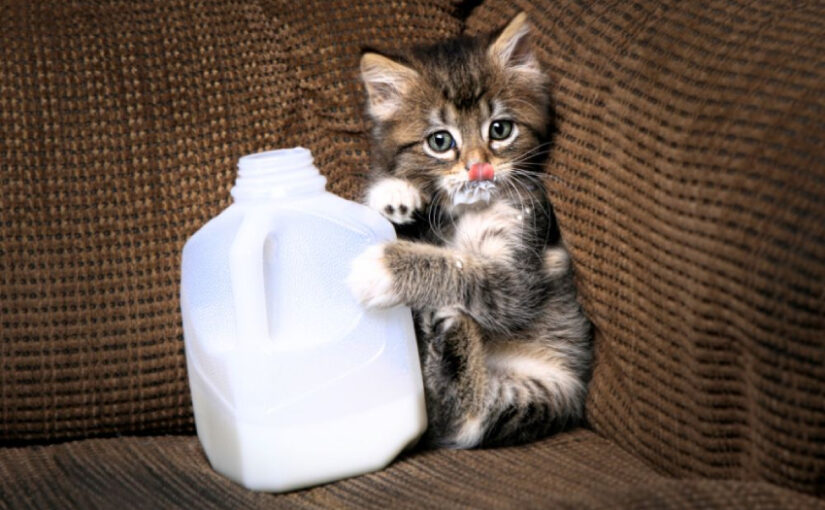
For generations, we’ve seen cartoons and books showing happy cats lapping up bowls of creamy milk — but should cats drink milk in real life? The truth may surprise you. While milk seems like a harmless treat, it can actually cause more harm than good for most adult cats. In this article, we’ll separate myths from facts to help you understand what’s really best for your feline friend.

Myth 1: Cats Love Milk — So It Must Be Good for Them

It’s true that many cats like the taste of milk. The fat and protein content make it tempting. However, just because a cat enjoys milk doesn’t mean it’s healthy. Most adult cats are lactose intolerant, meaning their digestive systems can’t properly process lactose, the sugar found in milk. After weaning, cats naturally lose the enzyme lactase, which is needed to digest milk.

When lactose-intolerant cats drink milk, it can lead to symptoms such as:

  • Diarrhea
  • Gas and bloating
  • Stomach cramps
  • Dehydration

So while your cat might seem to enjoy it in the moment, the aftereffects can be unpleasant and unhealthy.

Fact: Kittens Can Digest Milk — But Only Temporarily

When kittens are nursing, their bodies produce enough lactase to digest their mother’s milk. However, once they transition to solid food (around 8–10 weeks of age), their ability to process lactose diminishes significantly. At this stage, even kittens should not be given cow’s milk or dairy products meant for humans.

If you’re caring for an orphaned kitten, use a specially formulated kitten milk replacer (KMR), not regular milk. These formulas are designed to provide the right nutrients without upsetting your kitten’s stomach.

Myth 2: A Little Milk Now and Then Is Fine

You might wonder, “If my cat doesn’t seem to get sick, maybe a small amount is okay?” The answer depends on your individual cat. Some cats can tolerate tiny amounts of lactose-free milk or cream occasionally, but it’s not nutritionally necessary.

There are also cat-safe milk alternatives available in pet stores that are lactose-free and fortified with vitamins. These can be offered as a rare treat — but fresh water should always be your cat’s main drink.

Fact: Water Is the Best Drink for Cats

Cats naturally have a low thirst drive because their ancestors got most of their moisture from prey. Still, hydration is essential for kidney health and overall well-being. Encourage your cat to drink more water by using a cat fountain or adding wet food to their diet.

Remember: should cats drink milk every day? Absolutely not. Clean, fresh water is always the healthiest choice.

Comparison Table: Can Cats Safely Drink Milk?

Type of MilkSafe for Cats?Why or Why NotRecommended Amount
Cow’s Milk❌ NoMost cats are lactose intolerant; can cause diarrhea and stomach upset.None
Goat’s Milk⚠️ OccasionallyLower in lactose but still may cause digestive issues.A few teaspoons as a rare treat (if tolerated)
Lactose-Free Cat Milk✅ YesSpecially formulated for cats; easier to digest and nutritionally balanced.Small serving as an occasional treat
Kitten Formula (KMR)✅ Yes (for kittens only)Designed to mimic mother’s milk; safe for nursing kittens.As directed by the product label
Plant-Based Milks (Almond, Soy, Oat, etc.)❌ NoCan contain harmful additives and lack necessary nutrients.None
Water✅✅ AlwaysBest source of hydration; essential for kidney health and overall well-being.Unlimited access daily

Conclusion

So, should cats drink milk? The answer is no — at least, not regular cow’s milk. The majority of grown cats cannot properly digest lactose, so offering them milk may lead to gastrointestinal issues instead of enjoyment. While cat-safe milk alternatives exist, they should be given sparingly and never replace water or a balanced diet.

In short, the classic image of a cat with a bowl of milk is more myth than fact. Your kitty will be much happier — and healthier — with plenty of water, proper nutrition, and your love.


Frequently Asked Questions (FAQ)

What Happens if a Cat Drinks Regular Milk?

If a cat consumes regular cow’s milk, it could face digestive issues like diarrhea, gas, or bloating. This happens because most adult cats are lactose intolerant and can’t properly digest the sugars in milk.

Can Kittens Have Milk From the Store?

No, kittens should not drink store-bought milk. They need specially formulated kitten milk replacer (KMR), which provides essential nutrients and is safe for their developing digestive systems.

Why Do Cats Seem to Love Milk?

Cats are drawn to milk because of its high fat and protein content, which smells and tastes appealing to them. However, enjoyment doesn’t equal safety — even though they like it, it’s not good for their health.

Are Lactose-free Milks Safe for Cats?

Lactose-free milks made specifically for cats are safe as an occasional treat. However, lactose-free milks made for humans can still contain additives or sugars that aren’t suitable for feline digestion.

What is the Best Drink for Cats to Stay Hydrated?

Fresh, clean water is the best and most important drink for cats. It supports kidney function, aids digestion, and keeps your cat healthy. Encouraging water intake through fountains or wet food can also help.

Vaccines Cats Need: Don’t Miss These Essentials

When it comes to maintaining your kitty healthy and happy, understanding the vaccines cats need is one of the most important responsibilities of pet ownership. Vaccines not only protect your cat from serious illnesses but also prevent the spread of infectious diseases within your household and community. Whether you’ve just adopted a kitten or are caring for an older cat, staying on top of vaccinations is essential for their long-term well-being.

Why Vaccinations Are Important for Cats

Cats, like humans, can be exposed to a variety of viruses and bacteria. Certain diseases are highly contagious and may even lead to death if they remain untreated. Vaccinations help your cat’s immune system recognize and fight off these threats before they cause harm. Essential vaccines safeguard against the most prevalent and severe illnesses, whereas non-essential vaccines might be advised depending on your cat’s lifestyle and surroundings.

Core Vaccines Cats Need

Whether a cat lives indoors or out, they should all have a set of core vaccinations. Among them are:

1. Feline Panleukopenia (FPV)

Commonly known as feline distemper, this virus is highly contagious and often fatal. Vaccination offers strong protection and is usually administered in early kittenhood.

2. Feline Herpesvirus (FHV-1) and Calicivirus (FCV)

These viruses cause upper respiratory infections that can lead to chronic issues. The combination vaccine for FHV-1 and FCV is standard in all cats.

3. Rabies

Rabies is a deadly illness that impacts both humans and animals. In addition to being essential for your cat’s health, vaccination is mandated by law in many regions.

Non-Core Vaccines Cats May Need

Depending on your cat’s lifestyle, your vet may recommend additional vaccines cats need for extra protection:

  • Feline Leukemia Virus (FeLV): Essential for outdoor cats or those exposed to other felines.
  • Bordetella: Helps prevent respiratory infections, especially in multi-cat homes or shelters.
  • Chlamydophila felis: Reduces the risk of conjunctivitis and respiratory disease.

Kitten vs. Adult Cat Vaccination Schedules

Between 6 to 8 weeks of age, kittens generally receive their initial vaccinations followed by booster shots every 3–4 weeks until they reach about 16 weeks old. Adult cats require regular booster shots—usually annually or every three years—depending on the vaccine and your vet’s recommendations. Always consult your veterinarian to determine the best vaccination schedule for your cat’s specific needs.

Keeping Your Cat Healthy Beyond Vaccinations

Vaccines are a cornerstone of preventive care, but they work best when combined with regular vet checkups, parasite control, a balanced diet, and a safe living environment. A proactive approach to health ensures your cat enjoys a long, comfortable life.

Quick Reference: Essential Vaccines Cats Need by Age and Lifestyle

Vaccine NameCore or Non-CoreRecommended Age to StartBooster FrequencyIdeal For
Feline Panleukopenia (FPV)Core6–8 weeksEvery 1–3 yearsAll cats
Feline Herpesvirus (FHV-1)Core6–8 weeksEvery 1–3 yearsAll cats
Feline Calicivirus (FCV)Core6–8 weeksEvery 1–3 yearsAll cats
RabiesCore12–16 weeksAnnually or every 3 yearsAll cats (required by law in many areas)
Feline Leukemia Virus (FeLV)Non-Core8–12 weeksAnnuallyOutdoor or multi-cat households
BordetellaNon-CoreAs advised by vetAnnuallyCats in shelters or boarding facilities
Chlamydophila felisNon-CoreAs advised by vetAnnuallyCats exposed to other felines frequently

Conclusion

Understanding the vaccines cats need is essential for every responsible pet owner. By following a proper vaccination schedule and consulting your veterinarian, you’re giving your cat the best protection possible against preventable diseases. Staying informed and consistent with these essentials will help your feline companion live a healthier, happier life.


Frequently Asked Questions (FAQ)

How Often Should Cats Get Vaccinated?

Most adult cats need booster shots every one to three years, depending on the type of vaccine and their health status. Your veterinarian can recommend the ideal schedule based on your cat’s age, lifestyle, and medical history.

Are Indoor Cats Required to Be Vaccinated?

Yes. Even indoor cats should receive core vaccinations because certain viruses can enter the home through clothing, shoes, or open windows. Rabies vaccines are often legally required, regardless of whether your cat goes outdoors.

What Happens if a Cat Misses a Vaccine Booster?

If your cat misses a scheduled booster, contact your vet as soon as possible. They may recommend restarting the vaccination series or giving a single dose to restore immunity, depending on how much time has passed.

Can Vaccines Cause Side Effects in Cats?

Mild adverse effects such as temporary fatigue, minor swelling at the site of the injection, or a slight fever may happen but typically subside quickly. Serious reactions are rare—however, you should contact your vet immediately if your cat shows persistent vomiting, breathing difficulty, or facial swelling.

How Do Veterinarians Decide Which Shots a Cat Needs?

Vets consider several factors, including the cat’s age, environment, exposure risk, and overall health. Kittens, outdoor cats, and those living with other animals often need additional protection compared to strictly indoor cats.

Must Have Vaccines for Dogs: Don’t Skip These Shots

Ensuring your pet’s health and safety starts with understanding the must have vaccines for dogs. Vaccinations protect dogs from dangerous and sometimes fatal diseases, helping them live long and happy lives. Whether you’re a novice pet owner or just need a refresher, knowing which immunizations are required will help you make informed decisions about your dog’s health.

Why Vaccines Are Essential for Dogs

Vaccinations play a crucial role in safeguarding your dog against infectious diseases! They activate your dog’s immune system, enabling it to fight off harmful pathogens effectively. Without proper vaccination, dogs become vulnerable to severe diseases like parvovirus, rabies, and distemper, which can threaten their lives. Therefore, understanding the must have vaccines for dogs is essential for every responsible pet owner.

The Must-Have Vaccines for Dogs

1. Rabies Vaccine

Rabies is a lethal virus that affects the nervous system and can spread to humans. You must vaccinate your dog against rabies—not only to protect them but also because many regions legally require it. Veterinarians typically administer the rabies vaccine first between 12 and 16 weeks of age, followed by regular boosters as recommended.

2. Distemper Vaccine

Canine distemper is a viral illness that spreads easily and attacks a dog’s respiratory, digestive, and nervous systems. Most vets administer the distemper vaccine combined with others in the DHPP shot, which protects your dog against multiple diseases at once.

3. Parvovirus Vaccine

Parvovirus is a serious and often fatal illness that mainly targets young dogs. It causes severe vomiting and diarrhea, which can lead to dehydration and death if left untreated. The parvovirus vaccine, included in the DHPP combination, plays a critical role in keeping your dog safe.

4. Adenovirus (Canine Hepatitis) Vaccine

Adenovirus causes infectious canine hepatitis, leading to liver damage, fever, and sometimes death. Fortunately, this vaccine also comes as part of the DHPP combination, protecting your dog from this dangerous disease.

5. Bordetella Vaccine (Kennel Cough)

Dogs that frequent kennels, dog parks, or daycare centers often contract kennel cough, a highly contagious respiratory infection. The Bordetella vaccine helps prevent this uncomfortable and sometimes serious condition.

Optional Vaccines Based on Lifestyle

Depending on your dog’s activity level and where you live, your veterinarian may suggest extra vaccinations such as Lyme disease, Leptospirosis, or Canine Influenza. Therefore, talk to your veterinarian about these options to guarantee your dog’s safety.

How Often Should Dogs Be Vaccinated?

Puppies typically require a series of vaccinations starting at six to eight weeks of age. Then, they need additional boosters every three to four weeks until around 16 weeks old. Adult dogs usually require boosters every one to three years, depending on the vaccine and your veterinarian’s advice.

Summary Table: Must-Have Vaccines for Dogs

VaccineDisease PreventedTypical Vaccination ScheduleNotes
RabiesRabiesFirst dose: 12-16 weeks; boosters as requiredLegally required in many areas
Distemper (DHPP combo)Distemper, Parvovirus, AdenovirusSeries starting at 6-8 weeks; boosters until 16 weeks; then every 1-3 yearsProtects against multiple diseases
Parvovirus (DHPP combo)ParvovirusIncluded in DHPP scheduleCritical for puppy health
Adenovirus (DHPP combo)Infectious canine hepatitisIncluded in DHPP schedulePrevents liver disease
BordetellaKennel coughAnnual or semi-annual depending on exposureRecommended for social dogs
Optional VaccinesLyme, Leptospirosis, InfluenzaBased on lifestyle and regionConsult your veterinarian

Conclusion

In conclusion, knowing the must have vaccines for dogs is vital to protect your pet’s health. Vaccinations not only shield your dog but also help prevent the spread of contagious diseases to other animals and humans. Therefore, never skip these essential shots—regular vaccinations remain a cornerstone of responsible pet ownership. Finally, consult your veterinarian to develop a vaccination plan tailored to your dog’s specific needs and lifestyle.


Frequently Asked Questions (FAQ)

What Vaccines Does My Dog Need as a Puppy?

Puppies usually need to begin their vaccinations between 6 to 8 weeks of age. These usually include vaccines for distemper, parvovirus, adenovirus, and rabies, with booster shots given every few weeks until about 16 weeks of age.

How Often Should Adult Dogs Get Vaccinated?

Adult dogs generally need booster shots every one to three years, depending on the vaccine and their risk of exposure. Your veterinarian can recommend the best schedule based on your dog’s health and lifestyle.

Are All Dog Vaccines Required by Law?

Not all vaccines are legally required. For example, rabies vaccination is mandatory in many regions, but others like Bordetella or Lyme disease vaccines depend on your dog’s lifestyle and local disease prevalence.

Can Vaccines Cause Side Effects in Dogs?

Most dogs tolerate vaccines well, but some may experience mild side effects like soreness, fatigue, or mild fever. Serious reactions are rare but require immediate veterinary attention.

Why Do Some Dogs Need Additional Vaccines Beyond the Basics?

Additional vaccines might be necessary depending on your dog’s activities and environment. Dogs that frequently visit kennels, dog parks, or areas with tick exposure may need vaccines that protect against kennel cough, Lyme disease, or leptospirosis.