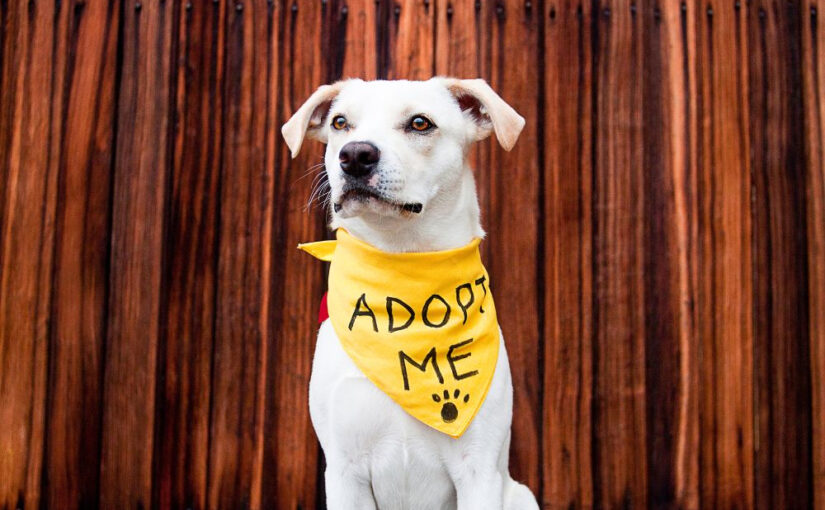
What Does It Mean to Adopt a Dog: What to Expect

Bringing a dog into your home is more than simply welcoming a pet— it’s a commitment that changes lives. If you’re wondering what does it mean to adopt a dog, you’re not alone. Many people are drawn to the idea of rescuing an animal but aren’t sure what the process involves or what to expect after adoption. This guide will walk you through the reality of dog adoption, helping you prepare for the rewarding journey ahead.

What Does It Mean to Adopt a Dog?

At its core, adopting a dog means giving a homeless or abandoned animal a second chance at life. Unlike buying from a breeder or pet store, dog adoption typically involves rescuing a dog from a shelter, rescue group, or foster care. It’s a compassionate choice that helps reduce the number of animals in shelters and opens space for others in need.

When asking what does it mean to adopt a dog, consider these key points:

  • You’re becoming a permanent caregiver. This means providing food, medical care, love, and a stable environment for the rest of the dog’s life.
  • You’re taking on a transition period. Most adopted dogs need time to adjust, which may involve training, behavior modification, or emotional healing.
  • You’re making a long-term commitment. Dogs can live 10–15 years or longer, depending on their breed and health. Adoption is a promise, not a trial run.

What to Expect During the Adoption Process

The dog adoption process varies by organization, but it usually includes:

  1. Application and Interview: You’ll fill out a form and possibly speak with a counselor to ensure you’re a good fit.
  2. Meet-and-Greet: You’ll meet available dogs and see who connects with your lifestyle and personality.
  3. Home Check (Optional): Some rescues do a quick check to ensure your home is safe for a pet.
  4. Adoption Fees: These typically cover vaccinations, microchipping, spay/neuter surgery, and other basic care.
  5. Paperwork and Transition: You’ll sign an agreement and take your new companion home — often with some support materials.

Life After Adoption: The First Weeks and Beyond

Adopting a dog is exciting, but it also requires patience and preparation. Here’s what you can expect:

  • The 3-3-3 Rule: Many experts refer to the 3-3-3 rule — it takes 3 days to unwind, 3 weeks to get acclimated, and 3 months to truly feel at home. Your dog may be shy, nervous, or unsure at first.
  • Training Needs: Even adult dogs may need basic training or refreshers. Positive reinforcement techniques are especially effective for building trust.
  • Health and Vet Care: Schedule a wellness visit within the first week. Keep up with vaccinations, flea prevention, and regular checkups.
  • Building a Bond: Spend quality time walking, playing, and snuggling. The bond you form early on sets the tone for your lifelong relationship.

Understanding what does it mean to adopt a dog can help you approach the experience with empathy, patience, and the right expectations.

Benefits of Dog Adoption

The emotional and practical rewards of adopting a dog are immense:

  • Unconditional love and companionship
  • Improved mental and physical health for owners
  • A sense of purpose and routine
  • Saving a life and making a difference

Additionally, adopted dogs often show a deep appreciation for their second chance, forming a powerful bond with their humans.

What to Expect When You Adopt a Dog

AspectWhat to Expect
Emotional AdjustmentInitial nervousness or fear; may take days to weeks to feel comfortable
Training NeedsMay require basic obedience training or re-learning house manners
Health RequirementsVet checkup, vaccinations, parasite prevention, possible unknown health issues
Time CommitmentDaily walks, feeding, playtime, and regular attention needed
Financial ResponsibilityCosts for food, supplies, grooming, and medical care
Bonding ProcessGradual building of trust and affection; patience and consistency are key
Behavioral QuirksPossible anxiety, past trauma behaviors, or fear of certain environments

Final Thoughts: What Does It Mean to Adopt a Dog?

So, what does it mean to adopt a dog? It means offering love, stability, and safety to a dog in need — and receiving loyalty, joy, and companionship in return. Adoption is a journey filled with learning, growth, and heartfelt moments. With the right mindset and preparation, you’re not just changing a dog’s life — you’re enriching your own.


Frequently Asked Questions (FAQ)

How Long Does It Take for a Rescue Dog to Adjust to a New Home?

Most rescue dogs begin to settle in within a few weeks, but full adjustment can take 3 months or more. The 3-3-3 rule (3 days to decompress, 3 weeks to adjust, 3 months to fully feel at home) is a helpful guideline.

What Should I Have Ready Before Bringing a Dog Home?

You should have food and water bowls, quality dog food, a collar and leash, an ID tag, a comfortable bed, toys, and basic grooming supplies. It’s also smart to dog-proof your home ahead of time.

Are Shelter Dogs Already Trained?

Some are, especially older dogs or those from foster care. However, many will need reinforcement in basic training or house manners, depending on their background.

How Do I Know if I’m Ready to Adopt a Dog?

You’re likely ready if you have a stable home, enough time for daily care and bonding, and the financial ability to cover long-term needs like food, vet care, and emergencies.

Can I Return a Dog if the Adoption Doesn’t Work Out?

Most reputable shelters and rescues have return policies or trial periods. If things don’t work out, they prefer the dog comes back to them rather than being rehomed independently.
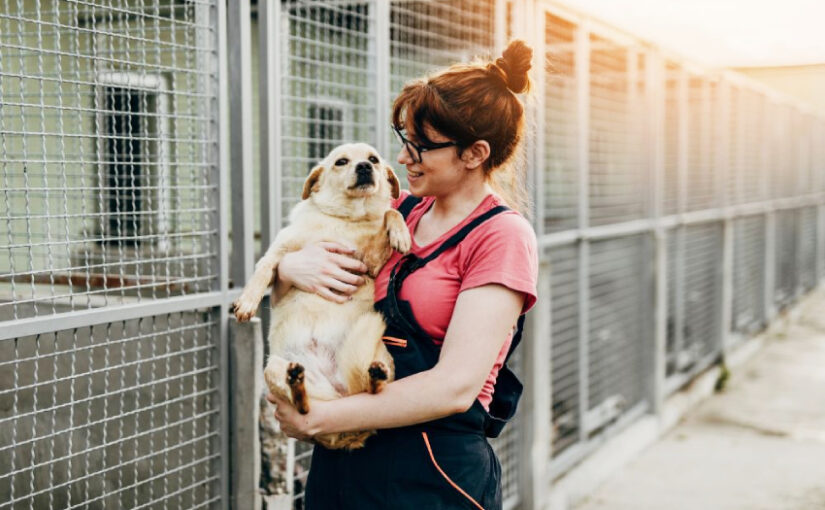
What Does It Mean to Adopt a Cat: What to Expect

Welcoming a cat into your home involves more than simply acquiring a new furry companion—it’s a lifelong commitment filled with joy, responsibility, and unconditional love. If you’re asking yourself, what does it mean to adopt a cat, you’re already on the right track. This decision can be incredibly rewarding, but it’s important to understand what adoption truly involves. From preparing your home to meeting your new cat’s needs, this guide will walk you through what to expect when you choose to adopt.

1. Understanding Cat Adoption

So, what does it mean to adopt a cat? At its core, adoption means taking full responsibility for a cat’s physical and emotional well-being for the rest of its life. You are becoming their forever home, not just a temporary stop. This includes providing food, shelter, healthcare, companionship, and a safe environment.

Cats available for adoption often come from shelters, rescues, or foster homes. They may be kittens, adults, or seniors—and each age group has unique needs. Numerous cats available for adoption are often already spayed or neutered, vaccinated, and microchipped, making the adjustment smoother.

2. Preparing for a New Cat

Before bringing your new feline home, it’s essential to get your space ready. Expect to invest in some basic supplies:

  • Litter box and litter
  • Food and water bowls
  • High-quality cat food
  • Scratching posts or pads
  • Toys and enrichment items
  • A cozy bed or blanket

Also, create a quiet, secure area where your cat can feel safe as they adjust to their new surroundings. Transitioning can be stressful, so patience is key.

3. The First Few Days

The initial days are critical. Don’t be surprised if your new cat hides or seems wary. This is completely normal. Give them time to explore their new environment at their own pace. Gradually introduce them to new rooms and family members. Building trust can take days or even weeks, depending on the cat’s past experiences.

Keep in mind that adopting isn’t a quick fix for loneliness or a casual decision. If you’re still wondering what does it mean to adopt a cat, remember: it’s about offering a lifetime of stability, not just moments of affection.

4. Veterinary Care and Health

A key part of responsible cat adoption is ensuring your new pet receives regular veterinary care. Plan a veterinary appointment during the first week after adopting. Your veterinarian will examine for any health concerns and provide recommendations on.:

  • Vaccination schedules
  • Parasite prevention
  • Diet and weight management
  • Dental care
  • Spaying/neutering (if not already done)

Ongoing health check-ups help prevent problems and keep your cat healthy for years to come.

5. The Emotional Side of Adoption

One of the most beautiful parts of adoption is watching a cat learn to trust and love you. Whether you’re adopting a shy adult cat or a playful kitten, the emotional bond you build will be unique. It may take time, but once formed, that bond is deep and lasting.

Remember, what does it mean to adopt a cat also includes understanding their behavior, respecting their boundaries, and offering affection on their terms. Cats are individuals—they need time, space, and plenty of love.

Quick Guide: What to Expect When You Adopt a Cat

AspectWhat to Expect
Initial AdjustmentShyness, hiding, or cautious behavior in the first few days or weeks.
Supplies NeededLitter box, food/water bowls, food, scratching post, toys, bed, carrier.
Emotional NeedsTime to build trust, daily interaction, affection on their terms.
Health CareVet visit, vaccinations, possible microchipping, parasite control.
Time CommitmentDaily care, grooming, playtime, and attention for 15–20 years (cat’s lifespan).
CostsFood, litter, vet bills, toys, and other supplies—budget monthly and annually.
BehaviorScratching, playing, grooming habits—varies by age and personality.
Lifestyle FitCats can live happily in apartments or houses, but need space and mental stimulation.

Conclusion: A Lifelong Commitment

So, what does it mean to adopt a cat? It means opening your heart and home to a companion who relies on you for everything. It’s about more than cuddles and cute Instagram photos—it’s a commitment to care, patience, and compassion. When you adopt, you’re not just saving a life; you’re gaining a loyal, loving friend who can bring joy to your everyday life.

If you’re ready for the responsibility and rewards that come with cat adoption, you’re taking the first step toward a meaningful and enriching journey.


Frequently Asked Questions (FAQ)

Is It Better to Adopt a Kitten or an Adult Cat?

Both have pros and cons. Kittens are playful and adaptable but require more time and training. Adult cats often have established personalities, making it easier to find a good match for your lifestyle.

How Long Does It Take for a Cat to Adjust to a New Home?

It can take anywhere from a few days to several weeks. Shy or previously traumatized cats may need even longer. Patience, consistency, and a quiet environment help ease the transition.

What Supplies Do I Need Before Bringing a Cat Home?

To start, you’ll require a litter box, bowls for food and water, cat food, scratching posts, toys, and a cozy spot for your cat to rest or seek refuge.

Are Shelter Cats Healthy and Vaccinated?

Most shelters provide vaccinations, spay/neuter services, and health checks before adoption. However, a follow-up vet visit is always recommended after bringing your new pet home.

Can I Adopt a Cat if I Have Other Pets?

Yes, but introductions should be gradual and supervised. It’s important to give each animal space and time to adjust. Some cats adapt well, while others may need more time or may prefer being the only pet.

Why Adopting a Pet Is Better Than Buying: Save a Life

Every year, millions of animals end up in shelters, waiting for a second chance at life. Although purchasing a pet from a breeder or pet shop might appear to be easy, there are a handful of reasons why adopting a pet is better than buying. From saving lives to supporting ethical treatment of animals, adoption offers benefits that go far beyond companionship.

1. You’re Saving a Life

The most compelling reason why adopting a pet is better than buying is simple: you’re giving an animal a second chance. Shelters are often overcrowded, and animals that don’t get adopted face uncertain futures. By choosing adoption, you directly save a life—and in many cases, free up space for another animal in need.

2. Shelter Pets Are Often Health-Checked and Vaccinated

Adopted pets typically come with medical care already provided, including vaccinations, spaying or neutering, and health screenings. This not only ensures a healthier pet but can also save you hundreds of dollars. Buying a pet, especially from an unverified breeder, may come with hidden health risks and no guarantee of care.

3. You Fight Against Animal Cruelty and Puppy Mills

When you adopt, you take a stand against puppy mills and unethical breeding practices. Many commercial breeding facilities prioritize profit over animal welfare, resulting in poor living conditions and overbreeding. Choosing adoption is a humane alternative that supports shelters and rescue organizations working to end animal cruelty.

4. There’s a Perfect Match for Everyone

Contrary to popular belief, shelters offer pets of all breeds, ages, and temperaments. Whether you’re looking for a playful puppy, a laid-back senior dog, or a unique cat with character, you’re likely to find your perfect match through adoption. Understanding why adopting a pet is better than buying means recognizing the diversity and potential of shelter animals.

5. Adoption Is More Affordable

Adopting a pet is often far less expensive than buying one. Adoption costs typically include vital services like vaccinations, microchipping, and spaying/neutering. In contrast, buying a pet can cost hundreds or even thousands of dollars—and that’s before any medical care.

Adoption vs. Buying: A Side-by-Side Comparison

FactorAdopting a PetBuying a Pet
CostUsually low; includes vaccinations and spay/neuterOften expensive; medical costs usually extra
Health ScreeningTypically health-checked, vaccinated, and microchippedVaries; often not included unless from a reputable breeder
Saving a LifeYes — gives a homeless pet a second chanceNo direct impact on animal overpopulation
Ethical ImpactSupports shelters and reduces demand for puppy millsCan fuel unethical breeding practices
Breed VarietyMixed and pure breeds availableTypically limited to specific breeds
Wait TimeImmediate availability in most sheltersMay involve waiting lists or shipping
Support & EducationMany shelters offer post-adoption support and guidanceLimited or no aftercare support from sellers

Conclusion: Make a Difference That Matters

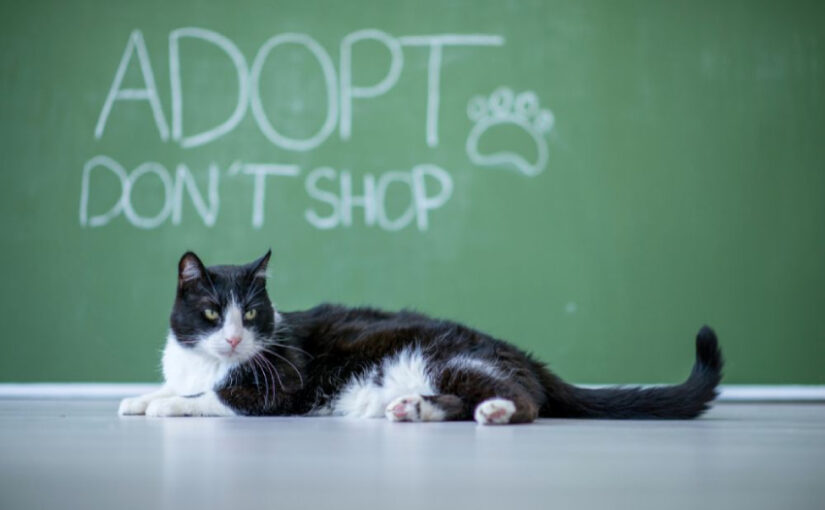
In the end, why adopting a pet is better than buying comes down to compassion, ethics, and making a positive impact. Adoption saves lives, reduces demand for unethical breeding, and fills your home with unconditional love. When you adopt, you’re not just getting a pet—you’re giving hope, healing, and a second chance. So the next time you’re looking for a furry companion, remember: adopt, don’t shop.


Frequently Asked Questions (FAQ)

What Advantages Are There to Adopting a Pet From a Shelter?

Adopting from a shelter gives an animal a second chance at life, often includes vaccinations and health checks, and helps reduce overpopulation in shelters.

Are Shelter Animals Healthy and Safe to Bring Home?

Yes, most shelters perform health screenings, vaccinations, and behavioral assessments to ensure animals are ready for adoption into safe, loving homes.

How Does Adopting an Animal Impact the Community?

Adoption supports local shelters, reduces the number of stray animals, and helps combat unethical breeding practices like puppy mills.

Is It Possible to Find Specific Breeds in Shelters?

Absolutely. Many shelters and breed-specific rescue groups have purebred animals, in addition to mixed breeds, ready for adoption.

What Should I Expect During the Pet Adoption Process?

The process usually involves an application, an interview or home visit, and a small adoption fee. Shelters often offer guidance to help match you with the right pet.

What Is the 3 3 3 Rule for Dogs? Adopting Made Easy

Bringing a rescue dog into your home is highly fulfilling, but it can also be challenging—especially in the beginning. One of the most helpful guidelines for new pet parents is the 3 3 3 rule, a simple way to understand a dog’s adjustment timeline after adoption. If you’re asking, “What is the 3 3 3 rule for dogs?”, this article breaks it down and shows how it can make the adoption journey easier for both you and your new furry friend.

Understanding the 3 3 3 Rule for Dogs

What exactly is the 3 3 3 guideline for dogs?

It’s a general guideline that explains how dogs typically adjust in their new home over three key stages: the first 3 days, 3 weeks, and 3 months. This rule helps adopters set realistic expectations and understand their dog’s emotional and behavioral responses during this transition period.

First 3 Days: Decompression

In the first few days, your dog is adjusting to a completely unfamiliar environment. They may be overwhelmed, nervous, or even shut down. During this phase, it’s common for dogs to:

  • Sleep more than usual or act withdrawn
  • Show signs of stress, like pacing or hiding
  • Refuse food or treats
  • Have accidents indoors

It’s important to give your dog space and time. Keep things calm and quiet, and don’t overwhelm them with too many new experiences right away.

First 3 Weeks: Settling In

By the end of the third week, your dog starts to recognize that this new place might be home. You’ll likely begin to see their personality emerge. They may start testing boundaries, showing more confidence, and becoming more interactive. At this stage:

  • Basic training can begin
  • Routines become more familiar
  • Trust begins to form
  • Behavior issues may surface as they feel more comfortable

Consistency, structure, and positive reinforcement are key during this time.

First 3 Months: Building Trust and Routine

After about three months, your dog should start feeling secure and truly bonded with you. They’ve learned your daily routines and may begin to settle into their role in your home. By this point, many dogs:

  • Feel more confident and relaxed
  • Have a stronger connection with their family
  • Respond better to training
  • Begin to show their full personality

This is when lasting trust is built, and the relationship between you and your dog can fully blossom.

Why the 3 3 3 Rule Matters

Knowing what is the 3 3 3 rule for dogs helps manage expectations during the adoption process. Without this understanding, some adopters may mistakenly think something is “wrong” when a dog doesn’t immediately settle in. In reality, every dog needs time to decompress and adjust.

This rule promotes patience and empathy. Dogs from shelters or difficult pasts may take longer to feel safe, especially if they’ve experienced trauma. The 3 3 3 rule provides a compassionate framework to help guide you through this adjustment period.

Tips for a Smooth Transition

If you’re bringing a rescue dog home, keep these tips in mind to support them through each phase of the 3 3 3 rule:

  • Create a quiet, safe space for them to decompress
  • Stick to a consistent daily routine
  • Introduce new people and experiences slowly
  • Use positive reinforcement to build trust
  • Be patient and don’t rush the process

Every dog is different. Some may take less time, others may need more—but the 3 3 3 rule gives you a solid foundation to build on.

The 3 3 3 Rule for Dogs: At a Glance

TimeframeWhat to ExpectHow to Support Your Dog
First 3 DaysDecompression phase. Your dog may feel overwhelmed, scared, or shut down. Common behaviors include hiding, low appetite, and accidents.Give them space, keep things quiet, avoid too many new experiences, and let them settle at their own pace.
First 3 WeeksSettling in. Your dog starts to feel more comfortable and may show their personality. Boundaries may be tested.Establish a routine, start basic training, reinforce good behavior, and continue building trust.
First 3 MonthsBuilding confidence and trust. Your dog feels secure and understands household rules. Stronger bonding occurs.Deepen the relationship, continue training, and enjoy more consistent behavior as your dog adjusts fully.

Conclusion: What Is the 3 3 3 Rule for Dogs?

To sum it up, what is the 3 3 3 rule for dogs? It’s a valuable guideline that helps adopters understand how a dog typically adjusts over time—first in 3 days, then in 3 weeks, and ultimately in 3 months. While every dog is unique, this rule provides a helpful timeline for building trust, establishing routines, and creating a loving, lifelong bond.

Adoption isn’t just a one-time act—it’s a journey. And with the 3 3 3 rule, you’ll be better prepared to support your dog every step of the way.


Frequently Asked Questions (FAQ)

How Long Does It Take for a Rescue Dog to Adjust to a New Home?

Every dog is different, but it typically takes a few months for a rescue dog to fully settle into their new environment. The adjustment period often follows a pattern of initial stress, gradual confidence-building, and eventually forming a strong bond with their new family.

What Should I Do During the First Few Days After Adoption?

Keep things calm and quiet. Allow your dog to discover their surroundings at their own speed and refrain from inundating them with an excessive number of new experiences. Maintain a consistent schedule for feeding, walks, and rest to help them feel more at ease.

When Should I Start Training My Newly Adopted Dog?

Basic training can begin within the first few weeks, once your dog begins to settle in and feel more comfortable. Focus on simple commands using positive reinforcement, and be patient—especially if your dog is still adjusting emotionally.

Why is My Rescue Dog Acting Distant or Withdrawn?

This is common in the early days after adoption. Many dogs need time to decompress and may seem quiet, nervous, or aloof. With consistent care and patience, most dogs begin to open up and show their personality.

How Can I Build Trust With My New Dog?

Trust is built through consistent routines, gentle interactions, and positive reinforcement. Avoid punishment-based training, respect your dog’s boundaries, and let the relationship develop at their pace.

What is the 3-3-3 Rule for Cats?

Bringing a new cat into your home is an exciting journey, but it also comes with a period of adjustment—for both you and your feline friend. One of the most helpful guidelines for navigating this transition is the 3-3-3 rule. If you’ve been wondering what the 3 3 3 rule for cats, it’s a simple yet powerful framework that outlines what to anticipate in the initial 3 days, 3 weeks, and 3 months after adoption. This rule can help you create a smoother, more compassionate transition for your new pet.

Let’s take a closer look at what this rule means and how you can apply it.

Understanding the 3-3-3 Rule for Cats

The 3-3-3 rule is designed to help pet owners understand a cat’s emotional and behavioral changes during the early stages of adoption. It breaks the transition period into three phases, each with unique expectations and needs.

3 Days: Initial Adjustment and Caution

In the first three days, your cat may be scared, confused, or overwhelmed by the new surroundings. It’s not uncommon for cats to hide, avoid contact, or show little interest in food or play. This is entirely normal.

During this time:

  • Provide a quiet, safe space away from noise and high traffic.
  • Give the cat the freedom to explore at its own pace.
  • Keep handling to a minimum unless initiated by the cat.
  • Make sure there is food, water, and a tidy litter box available.

Patience is crucial. Don’t expect instant bonding—your cat is still figuring things out.

3 Weeks: Building Trust and Routine

Around the three-week mark, many cats begin to feel more comfortable in their new environment. They may start exploring more confidently, engaging with family members, and settling into routines.

This is the time to:

  • Begin gentle training (like litter box habits or scratching post use).
  • Introduce regular play sessions to build trust and reduce stress.
  • Stick to consistent feeding and sleeping schedules.

By understanding the 3-3-3 rule for cats, you’ll be better equipped to support your pet as it begins to trust you and adjust to your home.

3 Months: Confidence and Bonding

After about three months, most cats feel secure and have formed a strong bond with their new family. Their true personality begins to shine, and routines become second nature.

At this stage:

  • Your cat is likely to seek attention and affection more openly.
  • You can better predict their behavior and preferences.
  • The bond between you and your cat becomes more established.

This is when your cat truly starts to feel like part of the family.

Why the 3-3-3 Rule Matters

The beauty of the 3-3-3 rule is that it reminds us to be patient and empathetic. Knowing what is the 3 3 3 rule for cats can prevent frustration and misunderstandings during the adjustment period. It sets realistic expectations and encourages a gentle approach to helping your cat feel safe and loved.

Many cats, especially those adopted from shelters or rescues, come from environments filled with stress or uncertainty. Providing them with the time and space they need to decompress and adapt can make a significant difference in their long-term happiness.

Summary of the 3-3-3 Rule for Cats

TimeframeWhat to ExpectHow to Support Your Cat
First 3 DaysHiding, fear, limited interaction, stressProvide a quiet space, avoid pressure, ensure basic needs are met
First 3 WeeksExploring, gradual bonding, forming habitsStick to routines, offer gentle play, observe behavior
First 3 MonthsConfidence, full personality emerges, trust buildsDeepen the bond, introduce new activities, maintain consistency

Final Thoughts

To sum it up: what is the 3 3 3 rule for cats? It’s a simple guideline that outlines what most cats experience in the first 3 days, 3 weeks, and 3 months after entering a new home. By following this rule, you can offer your cat the support they need to feel secure, confident, and loved. With time, patience, and understanding, your new feline companion will thrive—and so will your relationship.


Frequently Asked Questions (FAQ)

How Long Does It Take for a Cat to Adjust to a New Home?

It varies by cat, but most take several weeks to feel comfortable. Some may take only a few days, while others need months to fully settle in. Patience and consistency are key.

Why is My New Cat Hiding All the Time?

Hiding is a normal stress response. New environments can be overwhelming, especially for shy or rescued cats. Provide a quiet, safe space and allow them to come out when they feel ready.

When Should I Introduce My Cat to Other Pets?

Wait until your cat seems comfortable in their new space—usually after the first week or two. Use gradual introductions, scent swapping, and supervision to ensure a positive experience.

What Signs Show That a Cat is Starting to Trust You?

A trusting cat might approach you willingly, blink slowly, expose their belly (without aggression), purr, or initiate play. These are signs they feel safe in your presence.

How Can I Help My Cat Adjust More Quickly?

Stick to a routine, provide enrichment like toys and scratching posts, offer positive reinforcement, and respect their boundaries. A calm, predictable environment helps build trust faster.

Elderly Cats: Best Treats for Healthy Aging

As our kitty companions get older, their health and dietary needs start to change. Just like humans, elderly cats benefit from a tailored diet and lifestyle that supports them as they age gracefully. A critical aspect of this is the type of treats they receive. Choosing the right treats can help maintain joint health, promote digestion, support cognitive function, and keep them happy and active in their golden years.

In this article, we’ll explore the best treats for elderly cats and how to choose options that promote healthy aging.

Why Treats Matter for Elderly Cats

While treats are often seen as a luxury or reward, they can also be a valuable tool for managing the health of elderly cats. As cats age, they may experience:

  • Decreased appetite
  • Dental issues
  • Arthritis or joint pain
  • Reduced kidney and liver function
  • Cognitive decline

Treats formulated specifically for senior cats can provide essential nutrients in a form that’s easy to chew and digest. They can also serve as a way to deliver supplements such as glucosamine, omega-3 fatty acids, and antioxidants.

Key Ingredients to Look for in Healthy Aging Cat Treats

When shopping for treats for your senior cat, it’s essential to select products with ingredients that cater to their specific needs. Here are some to look for:

1. Glucosamine and Chondroitin

These support joint health and mobility—critical for elderly cats who may suffer from arthritis or stiffness.

2. Omega-3 Fatty Acids (DHA & EPA)

These help reduce inflammation, promote brain health, and support a shiny coat.

3. Taurine

Especially in senior cats, taurine is a vital amino acid that aids in maintaining heart and eye health.

4. Antioxidants

Ingredients like vitamin E, C, and beta-carotene help combat cellular aging and support immune health.

5. Prebiotics and Fiber

Encourage proper digestion and assist in avoiding constipation, which is a typical issue among senior cats.

Top Treat Brands for Elderly Cats

Here are some vet-recommended and highly rated treat options for elderly cats:

Greenies Feline Dental Treats – Senior Formula

  • Helps reduce tartar and freshen breath
  • Specially formulated for older cats with added vitamins

VetriScience Composure Chews

  • Calming treats with L-theanine and colostrum
  • Suitable for stress reduction and behavior support in aging cats

Nutramax Cosequin Joint Health Treats

  • Contains glucosamine and chondroitin
  • Supports mobility in aging joints

Wellness Kittles Grain-Free Crunchy Treats

  • Natural ingredients and low in calories
  • Gentle on aging digestive systems

Inaba Churu Senior

  • Moist and easy to eat
  • High moisture content helps with hydration

How to Introduce New Treats to Elderly Cats

Cats are known for being finicky, especially as they age. When introducing a new treat, follow these steps:

  • Start with small amounts
  • Monitor for any adverse reactions (upset stomach, allergies)
  • Use treats as a bonding experience or reward for gentle play
  • It’s important to seek advice from your veterinarian, particularly if your cat has a long-term health issue.

Comparison Table: Best Treats for Elderly Cats

Treat BrandKey BenefitsBest ForTexture
Greenies Feline Dental TreatsDental health, added vitamins for seniorsOral hygiene, picky eatersCrunchy
VetriScience Composure ChewsCalming, stress reduction, supports behaviorAnxious or easily stressed elderly catsSoft chew
Nutramax Cosequin Joint TreatsGlucosamine + chondroitin for joint supportCats with arthritis or mobility issuesSoft chew
Wellness Kittles Grain-FreeNatural ingredients, low calorie, grain-freeEveryday treats, sensitive stomachsCrunchy
Inaba Churu SeniorHigh moisture, easy to lick, extra hydrationCats with dental issues or low appetitePuree (lickable)

Final Thoughts: Supporting Healthy Aging in Elderly Cats

Your senior cat deserves the best care and comfort in their golden years. Selecting snacks that are healthy, appealing, and specifically designed for senior cats can greatly improve their overall well-being. From supporting joint health to improving digestion and mental sharpness, the right treat can be more than just a tasty snack—it can be an integral part of a thoughtful aging care plan.

By being mindful about treat selection and overall nutrition, you’ll help ensure that your elderly cats enjoy many more happy, healthy years by your side.


Frequently Asked Questions (FAQ)

How Often Should I Give Treats to a Senior Cat?

Treats should make up no more than 10% of your cat’s daily caloric intake. For older cats, moderation is key—use treats as a supplement to their regular diet or as a reward, not a meal replacement.

Can Older Cats Still Have Crunchy Treats?

Yes, but it depends on their dental health. If your cat has missing teeth or gum sensitivity, soft or lickable treats may be a better option. Always monitor how well they chew and adjust accordingly.

Are Human Foods Safe as Occasional Treats?

Some plain, cooked human foods like chicken or salmon can be given in small amounts. However, avoid anything seasoned, fatty, or toxic to cats (like onions, garlic, or chocolate). When in doubt, stick to products made specifically for felines.

What Should I Avoid in Store-bought Treats?

Avoid treats with artificial colors, preservatives, added sugars, or high levels of salt. Look for simple ingredient lists and products made specifically for senior cats or those with dietary sensitivities.

Is It Okay to Use Treats to Give Medications?

Absolutely. Soft treats or lickable options work well for hiding pills or supplements. Some brands even make pill pockets designed for this purpose, making medication time less stressful for both of you.

Top Kitten Treats: Healthy Snacks for Happy Kitten

Proper nutrition is essential for raising a happy, healthy kitten, including the treats you offer. The top kitten treats aren’t just delicious; they also support your kitten’s growth, development, and overall well-being. Whether you’re training your kitten, bonding, or simply spoiling them a little, choosing the right treats can make all the difference.

In this guide, we’ll explore the healthiest, most kitten-friendly snack options to keep those tiny tails wagging with joy.

Why Treats Matter for Kittens

Kittens are in a crucial stage of development. Their bones, immune system, and cognitive functions are all rapidly growing. While high-quality kitten food should be their main source of nutrition, treats play an important supporting role.

Healthy treats can help with:

  • Training and behavioral reinforcement
  • Dental health
  • Bonding between you and your kitten
  • Supplying additional nutrients and hydration

However, not all treats are created equal. Many commercial snacks contain unnecessary fillers, artificial flavors, or too much sugar — none of which are ideal for kittens. That’s why choosing from the top kitten treats is so important.

What to Look for in Healthy Kitten Treats

When browsing through options, keep an eye out for these characteristics:

  • High-quality animal protein: The first ingredient should be meat, such as chicken, turkey, or salmon.
  • Grain-free or limited grains: Many kittens have sensitive stomachs, so simpler ingredient lists are better.
  • No artificial additives: Avoid treats with dyes, preservatives, or chemical flavoring.
  • Small, soft texture: Treats should be easy to chew for tiny teeth.

Top Kitten Treats on the Market

Here are some of the top kitten treats loved by both vets and pet parents:

1. Wellness Kittles Grain-Free Cat Treats

These crunchy treats are high in protein and grain-free, making them easy on sensitive kitten stomachs.

2. Blue Buffalo Kitty Cravings

Made with real chicken or fish, these treats are both nutritious and irresistible.

3. Inaba Churu Creamy Treats

Perfect for kittens still learning to chew, these lickable purée-style treats are hydrating, high in moisture, and protein-rich.

4. Temptations Kitten Treats

Specially formulated for kittens under one year, they’re soft, tasty, and contain DHA to support brain development.

5. Vital Essentials Freeze-Dried Minnows

For pet parents looking for raw, single-ingredient treats, these freeze-dried fish bites are an all-natural option.

* Based on common recommendations across veterinary sources, product reviews, and popularity within pet owner communities online.

DIY Healthy Treats for Kittens

Prefer homemade options? Try these simple recipes:

  • Boiled chicken pieces: Unseasoned, chopped chicken is a safe, protein-packed treat.
  • Mashed pumpkin: Rich in fiber and good for digestion (just make sure it’s pure pumpkin, not pie filling).
  • Salmon bites: Cooked and flaked salmon is tasty and full of omega-3 fatty acids.

Be sure to consult your veterinarian before introducing new treats, particularly homemade ones.

How Often Should You Give Your Kitten Treats?

Even the top kitten treats should be given in moderation. Treats should make up no more than 10% of your kitten’s daily caloric intake. Excessive feeding can lead to an increase in weight or issues with nutritional balance. Use treats strategically during feeding.:

  • Training sessions
  • Grooming routines
  • Playtime rewards

Remember: treats should complement a well-balanced kitten diet, not replace it.

Kitten Treats Comparison Table

Treat NameTextureMain IngredientKey BenefitsSuitable for
Wellness Kittles Grain-FreeCrunchyChicken, FishHigh protein, grain-freeOlder kittens with teeth
Blue Buffalo Kitty CravingsCrunchyChicken or FishNatural ingredients, great flavorAll kittens
Inaba Churu Creamy TreatsCreamy/LickableTuna, ChickenHydrating, easy to eatYoung kittens or picky eaters
Temptations Kitten TreatsSoftChickenDHA for brain developmentKittens under 1 year
Vital Essentials Freeze-Dried MinnowsFreeze-DriedMinnows (Whole Fish)Single ingredient, raw nutritionNatural/raw feeding kittens

Conclusion: Choose the Right Snacks for a Happy, Healthy Kitten

Feeding your furry friend the top kitten treats is more than just a way to pamper them — it’s an investment in their health and happiness. Whether you opt for high-quality commercial options or go the homemade route, the key is to focus on nutrition, safety, and your kitten’s specific needs.

With the right treats, you’ll be reinforcing good habits, encouraging positive behavior, and deepening the bond between you and your little feline — all while keeping their health in check.


Frequently Asked Questions (FAQ)

Can Kittens Eat Treats Meant for Adult Cats?

Not always. Adult cat treats may be too hard, too large, or contain ingredients that aren’t suitable for kittens’ developing digestive systems. It’s best to use products labeled specifically for kittens.

How Old Should My Kitten Be Before Trying Treats?

Most kittens can start enjoying treats at around 8 weeks old, once they’ve transitioned to solid food. Be sure to start with soft, easily digestible options.

Are Dental Treats Safe for Kittens?

Some dental treats are formulated for young cats, but many are too hard for tiny teeth. Always check age recommendations on the packaging and consult your vet if unsure.

Can Treats Replace a Meal?

No. Treats are intended to supplement a kitten’s diet, not replace their regular meals. They should make up no more than 10% of daily caloric intake.

What Should I Do if My Kitten Doesn’t Like Any Treats?

Try different textures and flavors — some kittens prefer creamy or lickable snacks, while others go for crunchy bites. If your kitten still refuses all types, consult your vet to rule out dietary issues or health concerns.

Healthiest Dog Treats for Senior Dogs: Soft, Safe, Delicious

As your cherished dog ages, their nutritional needs and physical abilities start to change. Just like humans, senior dogs require extra care to maintain their health and happiness. Choosing the healthiest dog treats for senior dogs is one of the simplest yet most impactful ways to support their aging bodies. The right treats are not only tasty but also soft enough for aging teeth, easy to digest, and packed with nutrients that promote joint health, digestion, and overall well-being.

Why Senior Dogs Need Specialized Treats

As dogs age, they may develop dental issues, sensitive stomachs, or reduced energy levels. This makes it essential to pick treats that are:

  • Soft and chewy – Easier to chew and swallow for dogs with dental problems.
  • Low in calories and fat – Helps prevent weight gain as metabolism slows.
  • Enriched with supplements – Glucosamine, chondroitin, and omega-3s support joint and cognitive health.
  • Free from artificial ingredients – Reduces the risk of digestive upset and allergic reactions.

What to Look for in the Healthiest Dog Treats for Senior Dogs

When shopping for the healthiest dog treats for senior dogs, pay attention to the ingredient list and nutritional profile. Here’s what to prioritize:

Natural Ingredients

Look for treats made from whole foods like real meat, sweet potatoes, blueberries, and oats. Avoid fillers, preservatives, and artificial colors or flavors.

Added Nutritional Support

Treats that contain glucosamine, chondroitin, or turmeric can help ease joint pain and stiffness. Fiber-rich ingredients like pumpkin or flaxseed aid in digestion.

Soft Texture

Senior dogs may have missing teeth or weaker jaws. Choose moist, soft treats or those specifically labeled “senior-friendly.”

Size and Portion Control

Older dogs are often less active. Select small, low-calorie treats to avoid unnecessary weight gain.

Top Ingredients to Seek in Senior Dog Treats

The healthiest dog treats for senior dogs often include these beneficial ingredients:

  • Salmon or fish oil – Great for coat health and brain function.
  • Pumpkin – A natural fiber source that supports digestion.
  • Coconut oil – May help with brain health and provide a shiny coat.
  • Blueberries – Packed with antioxidants to combat aging.

Vet-Recommended Brands to Consider

Some brands known for producing healthy senior dog treats include:

  • Zuke’s Hip Action – Contains glucosamine and chondroitin with a soft texture.
  • Blue Buffalo Health Bars – Made with wholesome grains and natural ingredients.
  • Wellness Soft Puppy Bites (suitable for seniors too!) – Small, soft, and full of real meat.
  • Fruitables Skinny Minis – Low-calorie, natural, and soft enough for seniors.

Always consult with your vet before introducing a new treat, especially if your senior dog has allergies, kidney issues, or other chronic conditions.

Homemade Options: Control Ingredients and Texture

If you prefer a DIY approach, consider making homemade treats. Recipes featuring mashed sweet potatoes, oats, bananas, and a spoonful of peanut butter (xylitol-free!) are easy to prepare and gentle on aging stomachs. Baking them soft instead of crunchy ensures they’re chewable for seniors.

Top Picks: Healthiest Dog Treats for Senior Dogs

BrandKey BenefitsTextureNotable Ingredients
Zuke’s Hip ActionJoint support, easy to chewSoft & ChewyGlucosamine, chondroitin, real chicken or beef
Blue Buffalo Health BarsNatural and nutritiousCrunchy (can soften)Oatmeal, barley, apples, carrots
Wellness Soft Puppy BitesSmall, tender, and high in proteinVery SoftLamb, salmon, DHA, flaxseed
Fruitables Skinny MinisLow calorie, good for weight controlSoft & ChewyPumpkin, apple, coconut, chickpea
Homemade Sweet Potato BitesFully customizable, gentle on the stomachSoft (bake-controlled)Sweet potato, oat flour, peanut butter

Final Thoughts: Keep It Soft, Safe, and Delicious

Finding the healthiest dog treats for senior dogs doesn’t have to be complicated. Prioritize natural ingredients, soft textures, and age-appropriate nutrients. Whether you choose vet-recommended commercial options or opt for homemade treats, the goal is to offer options that are as nutritious as they are tasty. Your loyal companion deserves the best in every stage of life — especially in their golden years.


Frequently Asked Questions (FAQ)

What Makes a Treat Suitable for Older Dogs?

Treats for older dogs should be easy to chew, low in fat, and made with wholesome ingredients. They often include added nutrients like glucosamine for joint health or fiber for digestion.

Can I Give Regular Dog Treats to My Senior Pet?

While occasional regular treats might be okay, many aren’t ideal for aging dogs. Hard textures, high-fat content, or artificial additives can be hard on older bodies.

How Often Should I Give My Senior Dog Treats?

It depends on your dog’s overall diet and activity level. Treats should comprise no more than 10% of their daily caloric intake. Always check with your vet if you’re unsure.

Are Grain-free Treats Better for Older Dogs?

Not necessarily. Some senior dogs benefit from grains like oats or brown rice. Grain-free treats can be useful for pets with allergies, but they’re not inherently healthier

What Ingredients Should I Avoid in Dog Treats for Seniors?

Avoid artificial preservatives, added sugars, and fillers like corn or soy. Also stay away from treats with xylitol (toxic to dogs) and excessive salt.

Adult Dog Treats: Natural, Tasty, Vet-Approved

Choosing the right treats is as important as selecting proper food for your dog’s health and happiness. Adult dog treats should be more than just a tasty reward — they need to be nutritious, safe, and beneficial for your dog’s age and lifestyle. Whether you’re training, rewarding, or simply showing love, giving your adult dog natural, vet-approved treats can support their overall well-being.

Why Choose Natural Treats for Adult Dogs?

Natural ingredients are the foundation of healthy adult dog treats. Unlike heavily processed snacks that may contain artificial flavors, colors, and preservatives, natural treats are made from real, whole-food ingredients. Think sweet potatoes, chicken, salmon, blueberries, and pumpkin — all of which can provide essential vitamins and nutrients.

Natural treats:

  • Support digestion
  • Promote a healthy coat and skin
  • Reduce the risk of allergies
  • Are easier on sensitive stomachs

Your adult dog has different needs than a puppy. That’s why it’s essential to give them age-appropriate treats that are formulated for adult maintenance, not just any generic dog snack.

Tasty and Tail-Wagging Good

Just because a treat is healthy doesn’t mean it can’t be delicious. Today’s adult dog treats come in flavors your dog will love — from savory meats to crunchy fruits and veggies. Many brands now focus on crafting treats that dogs crave without sacrificing nutrition. This means fewer fillers and more of the good stuff.

Look for treats that list real meat or vegetables as the first ingredient, and avoid those with vague labels like “meat by-products” or “animal digest.” High-quality protein and natural flavoring will keep your dog coming back for more — and you’ll feel better about giving them a snack.

Vet-Approved for Peace of Mind

Not all treats are created equal, which is why choosing vet-approved adult dog treats is key. Veterinarians consider factors such as:

  • Nutritional value
  • Ingredient safety
  • Digestibility
  • Calorie content

By selecting treats that carry a vet-approved label or are recommended by veterinary professionals, you can ensure you’re supporting your dog’s long-term health. This is especially important if your dog has specific health needs like joint issues, food sensitivities, or weight concerns.

How to Choose the Best Adult Dog Treats

Here’s what to look for when shopping:

  1. Check the ingredients list – Whole foods and recognizable ingredients are best.
  2. Avoid artificial additives – Say no to artificial preservatives and colors.
  3. Mind the calories – Treats should account for no more than 10% of your dog’s daily food intake.
  4. Consider functional treats – Some treats support dental health, joint care, or digestion.

Bonus tip: If your dog has allergies, look for single-ingredient treats like dehydrated meats or limited-ingredient recipes that eliminate common allergens.

Quick Guide: What to Look for in Adult Dog Treats

FeatureWhy It MattersWhat to Look For
Natural IngredientsSupports overall health and avoids harmful additivesReal meat, vegetables, fruits; no artificial fillers
Taste & TextureKeeps your dog engaged and encourages positive behaviorFlavors like chicken, beef, salmon; crunchy or chewy
Vet ApprovalEnsures treats are safe and beneficial for adult dogsRecommended by vets or labeled as vet-approved
Nutritional ValueAdds to your dog’s diet without empty caloriesHigh protein, low fat, added vitamins/minerals
Allergy-Friendly OptionsPrevents adverse reactions in sensitive dogsGrain-free, single-ingredient, or limited-ingredient
Functional BenefitsTargets specific health concerns (e.g., joints, teeth, digestion)Dental chews, glucosamine-rich treats, probiotic snacks

Conclusion: Treat Your Dog Right

Your adult dog deserves more than just a quick snack. Choosing natural, tasty, and vet-approved adult dog treats can boost their health, satisfy their cravings, and give you peace of mind. Whether you’re reinforcing good behavior or just showing some love, the right treat makes all the difference. So next time you reach for that treat bag, make sure it’s packed with ingredients your dog — and your vet — would approve.


Frequently Asked Questions (FAQ)

What Ingredients Should I Avoid in Dog Treats?

Avoid artificial preservatives (like BHA, BHT), artificial colors, sweeteners (like xylitol), and vague meat by-products. These can cause health issues or allergic reactions in some dogs.

How Many Treats Can I Give My Dog Per Day?

Treats should account for no more than 10% of your dog’s daily caloric intake. Always adjust based on your dog’s size, activity level, and overall diet.

Is It Okay to Give My Dog Human Food as a Treat Rather Than Typical Canine Treats?

Some human foods are safe in small amounts, such as plain cooked chicken or carrots. However, others like chocolate, grapes, or onions are toxic to dogs. Always check with your vet before offering people food.

Are Grain-free Treats Better for My Dog?

Not necessarily. While some dogs with grain allergies may benefit from grain-free options, whole grains can be a healthy part of a balanced diet. It depends on your dog’s individual needs.

What Kind of Treats Are Good for Training?

For training, use small, soft treats that are quick to chew and low in calories. This allows for frequent rewards without overfeeding during sessions.

Vet Approved Puppy Treats – Love at First Bite!

Every puppy deserves a reward for being the adorable, tail-wagging bundle of joy they are. But when it comes to choosing the right treat, pet parents often wonder: What’s actually safe and healthy for my pup? That’s where vet approved puppy treats come in. These specially formulated snacks offer not just great taste, but peace of mind, knowing your furry friend is munching on something nutritious and safe. Whether you’re training, bonding, or just showing love, the right treat makes all the difference.

What Makes a Treat “Vet Approved”?

When a product earns the label “vet approved,” it means it has met strict health, safety, and nutritional guidelines recommended by licensed veterinarians. Vet approved puppy treats are typically:

  • Made with high-quality, natural ingredients
  • Free from harmful additives and preservatives
  • Tailored to support puppy development – including brain, teeth, and bone health
  • Sized appropriately for small mouths and developing teeth

These treats are crafted not just to satisfy cravings, but also to support your puppy’s growth journey in a safe and wholesome way.

Top Ingredients to Look For

Choosing the best treat for your puppy starts with the ingredients. Here’s what to look for in the most trusted vet approved puppy treats:

  • Real meat (chicken, beef, or salmon) as the first ingredient
  • Omega-3 fatty acids for the development of the brain and eyes.
  • DHA and EPA for cognitive growth
  • Soft texture to protect delicate teeth
  • Limited-ingredient formulas for sensitive stomachs

Avoid anything with artificial colors, added sugars, or vague labels like “meat by-products.” If it wouldn’t make it into your own snack bowl, it shouldn’t go into your pup’s!

Training Made Easy – and Delicious

Puppies thrive on positive reinforcement, and nothing works better than a tasty bite-sized reward. The best vet approved puppy treats are designed with training in mind—easy to chew, non-messy, and irresistible. Use them to teach basic commands, crate training, or socialization. Just remember: moderation is key. Treats should make up no more than 10% of your puppy’s daily caloric intake.

Popular Vet Approved Puppy Treat Brands

If you’re looking for specific options, consider these top-rated, vet-backed picks:

  1. Wellness Soft Puppy Bites – Grain-free and full of DHA
  2. Blue Buffalo Blue Bits – No by-products or artificial preservatives
  3. Zuke’s Mini Naturals – Perfect for training sessions
  4. Hill’s Science Diet Puppy Treats – Designed by vets and nutritionists

Always check with your vet before adding new treats, especially if your puppy has dietary sensitivities.

Top Vet Approved Puppy Treats – Comparison Table

BrandKey IngredientsTextureBest ForNutritional Highlights
Wellness Soft Puppy BitesLamb, Salmon, DHASoft & ChewyTraining & TeethingBrain development, no artificial flavors
Blue Buffalo Blue BitsChicken, Oatmeal, Brown RiceMoist & MeatyDaily RewardsDHA, Omega-3s, no by-product meals
Zuke’s Mini NaturalsChicken, Apples, CarrotsSoft & SmallTraining SessionsLow calorie, no corn/wheat/soy
Hill’s Science Diet Puppy TreatsChicken Meal, Whole GrainsCrunchy BitesGeneral TreatingVet-formulated, antioxidants for growth
Merrick Power Bites PuppyDeboned Chicken, Sweet PotatoSoft ChewHigh-Reward TreatsGrain-free, high protein, DHA-rich

Conclusion: Love at First Bite – and Peace of Mind

Your puppy deserves the very best, and that includes what goes into their treat jar. By choosing vet approved puppy treats, you’re making a thoughtful decision that supports their health, growth, and happiness. From training sessions to cuddle-time rewards, these treats aren’t just delicious—they’re safe, nutritious, and recommended by professionals who care about your pup as much as you do.

So go ahead—let your puppy fall in love at first bite!


Frequently Asked Questions (FAQ)

How Many Treats Can I Give My Puppy Per Day?

Treats should make up no more than 10% of your puppy’s daily caloric intake. The exact number depends on your puppy’s size, age, and activity level. Always check the treat package for serving guidelines and consult your vet for personalized advice.

By What Age Can I Start Giving Treats to My Puppy?

Most puppies can start receiving soft treats around 6 to 8 weeks old, once they’re weaned and eating solid food. Start with small, soft options that are easy to chew and digest.

Are Homemade Treats Safe for Puppies?

Homemade treats can be safe and healthy if made with dog-friendly ingredients like pumpkin, oats, and lean meats. Steer clear of ingredients that are harmful to dogs, such as chocolate, grapes, onions, and xylitol. Always check with your vet before introducing new homemade recipes.

What’s the Difference Between Training Treats and Regular Ones?

Training treats are usually smaller, lower in calories, and designed to be quickly consumed during training sessions. Regular treats might be larger or more indulgent and are better used for occasional rewards rather than repetitive reinforcement.

How Can I Tell if a Treat is Causing an Allergic Reaction?

Itching, gastrointestinal distress, including vomiting or diarrhea, and ear infections are all signs of a food allergy or sensitivity. If your puppy shows any unusual symptoms after trying a new treat, stop giving it immediately and consult your veterinarian.