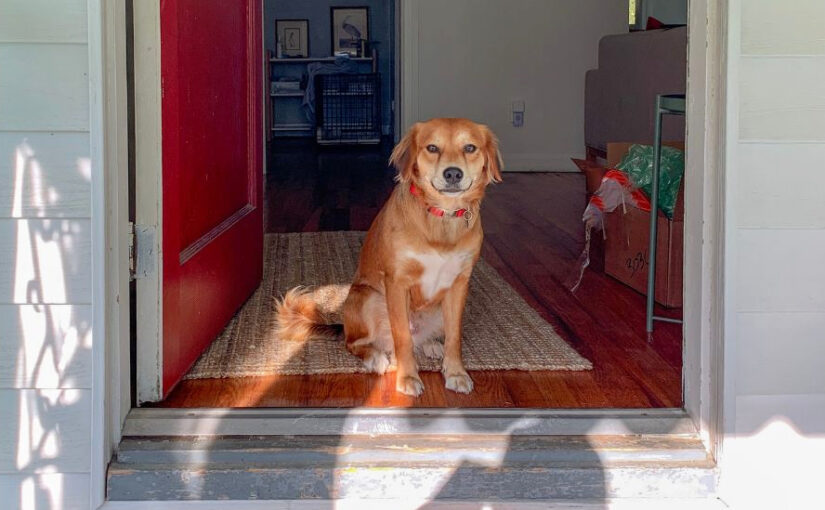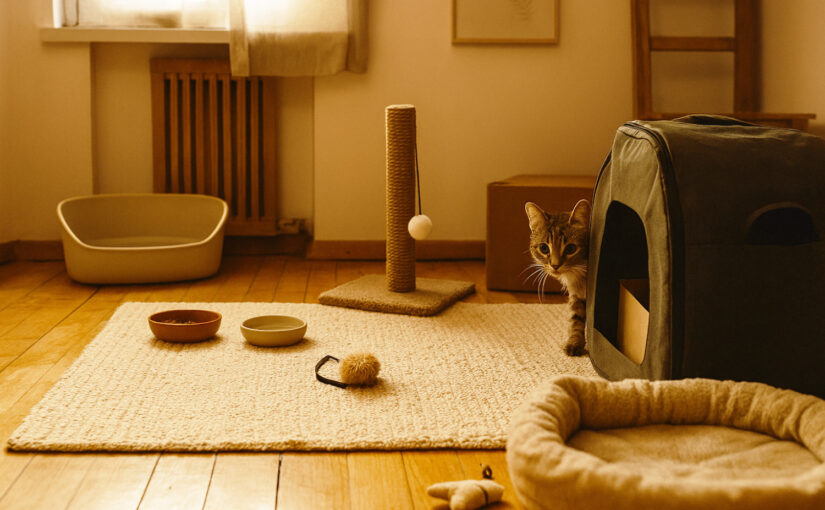

Bringing home a dog for the first time is one of the most rewarding decisions you can make. Whether you’re adopting a rescue dog or getting a puppy, this new chapter comes with both excitement and responsibility. As someone who is getting a dog for the first time, it’s crucial to get ready adequately and comprehend what your new furry friend requires to feel protected, secure, and cherished.
This guide will walk you through everything you need to know about bringing home a dog for the first time, from prepping your home to building a lifelong bond.
1. Prepare Your Home Before Your Dog Arrives
Dog-Proofing Basics
Before your dog sets foot (or paw) inside your home, you’ll want to ensure it’s a safe space. Hide or secure the following:
- Electrical cords and chargers
- Cleaning supplies and medications
- Toxic plants
- Shoes and small chewable items
Essential Supplies Checklist
Make sure you have the following essentials ready before bringing home a dog for the first time:
- Dog bed or crate
- Food and water bowls
- Leash, collar, and ID tag
- High-quality dog food
- Toys for mental stimulation
- Puppy pads or waste bags
- Grooming tools
Having everything in place ensures a smoother transition for both you and your dog.
2. Create a Calm and Stable First Day
Start Slow and Quiet
Your dog’s first day home should be quiet and stress-free. Give them time to explore their surroundings at their own pace. Avoid introducing too many people or animals at once, and allow your dog to get comfortable with one area before expanding access.
Establish a Routine
Dogs are more at ease when they are aware of what to anticipate. Establish regular schedules for:
- Feeding
- Potty breaks
- Walks
- Playtime
- Sleep
Routines help dogs adjust faster, especially if you’re bringing home a rescue dog for the first time.
3. Begin Training from Day One
Use Positive Reinforcement
Basic training should begin immediately after bringing home a dog for the first time. Teach commands like:
- Sit
- Stay
- Come
- Leave it
Reward good behavior with treats, praise, or play. Avoid punishment — it only creates fear and mistrust.
House Training Tips
If you’re adopting a puppy, housebreaking is a top priority. Be consistent with potty breaks, especially after meals and naps. Praise them when they go in the right spot, and clean up accidents calmly.
4. Bond and Build Trust with Your New Dog
Give Space, Then Show Love
Some dogs require time to adjust and decompress after adoption. Let them come to you. As trust builds, engage in play, gentle petting, and short training sessions to reinforce your bond.
Watch Body Language
Learning to read your dog’s signals is crucial. Signs of stress may include:
- Tail tucked
- Avoiding eye contact
- Trembling or hiding
Exercise patience, and foster an environment where your dog feels secure enough to express themselves.
5. Visit the Vet Within the First Week
Within the first few days of bringing home a dog for the first time, schedule a wellness check with a veterinarian. This visit should include:
- General health assessment
- Vaccinations and parasite prevention
- Microchipping (if not already done)
- Nutrition and care recommendations
This is also an excellent opportunity to inquire about spaying and neutering, as well as local pet health resources.
6. Be Prepared for Setbacks
Even with the best planning, things may not go perfectly. Your dog might bark excessively, have accidents, or exhibit anxious behavior. These issues are common, especially during the adjustment period.
If necessary, seek advice from a dog trainer or behaviorist who focuses on first-time dog adoptions or rescue animals. Support and consistency go a long way.
Quick Guide: First-Time Dog Owner Checklist
| Step | What to Do | Why It Matters |
|---|---|---|
| 1. Prep Your Home | Dog-proof and gather supplies like food, toys, bed, and crate | Creates a safe and welcoming environment |
| 2. Keep the First Day Calm | Limit visitors, give space, and let your dog explore slowly | Helps reduce anxiety and build trust |
| 3. Set a Routine | Consistent schedule for feeding, potty, and walks | Promotes stability and faster adjustment |
| 4. Begin Basic Training | Start with commands like “sit” and “stay” using positive reinforcement | Builds good habits early on |
| 5. Bond and Observe | Spend quality time and learn your dog’s body language | Strengthens the relationship and trust |
| 6. Schedule a Vet Visit | Health check, vaccinations, and microchipping | Ensures your dog is healthy and protected |
| 7. Stay Patient with Setbacks | Be consistent and seek help if needed | Supports long-term success and behavior shaping |
Conclusion: Your New Best Friend Awaits
Bringing home a dog for the first time is a significant milestone that can bring years of love and joy. With proper preparation, routine, and care, you can help your dog feel safe and welcome in their new home.
Keep in mind that the connection you establish in the beginning will create the groundwork for a lifelong partnership. Whether it’s your first puppy or you’re adopting an older rescue, bringing home a dog for the first time is a journey filled with learning, growth, and unconditional love.
Frequently Asked Questions (FAQ)
Start by preparing your home with essential supplies, creating a quiet space for your dog, and introducing a consistent routine. The first few days should focus on building trust and helping your dog adjust.
Adjustment time varies, but most dogs take a few days to several weeks to settle in. Rescue dogs may need longer. Patience, routine, and positive reinforcement help speed up the process.
Yes, crate training can begin from day one if done positively. A crate provides a safe, calm space for your dog and supports housetraining and independence when introduced correctly.
Limit stressors like loud noises or many visitors. Stick to a routine, use positive reinforcement, and give your dog time to explore their new space at their own pace.
Ideally, schedule a vet visit within the first 5–7 days after bringing home your dog. This ensures they’re healthy, vaccinated, and you can address any immediate care needs.