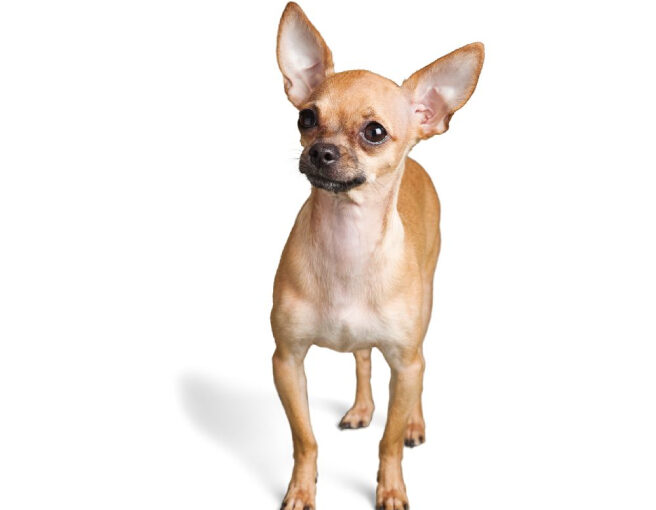


The Dachshund is a small, long-bodied, and lively dog with a curious and courageous personality. Known for their playful, stubborn, and affectionate nature, they have captured the affection of dog enthusiasts all around. Whether you’re considering bringing a Dachshund into your home or want to learn more, this Dachshund breed information guide covers everything you need to know about Dachshund personality, care, and health.
Dachshund Breed Information Overview
Appearance:
Dachshunds are small dogs with long bodies, short legs, and elongated snouts. They typically weigh between 16–32 pounds (standard) or 8–11 pounds (miniature). Their coat comes in three main types: smooth, long-haired, and wire-haired. Color variations include red, black and tan, chocolate, cream, dapple, and brindle. Their expressive eyes and floppy ears are distinctive features that add to their charm.
Personality/Temperament:
Dachshunds are intelligent, curious, and brave despite their small size. They are playful and affectionate with family members, however, they can be headstrong and self-reliant, which could pose difficulties in training. They are usually friendly and social, though they may take their time with new faces. Their strong prey drive reflects their fascinating hunting background! They enjoy companionship and thrive on attention, making them excellent family pets when socialized early.
Lifespan & Health:
The typical lifespan of a Dachshund ranges from 12 to 16 years. Common health concerns include intervertebral disc disease (IVDD) due to their long spine, obesity, dental issues, and patellar luxation. Preventative care includes maintaining a healthy weight, avoiding excessive jumping, providing joint support when necessary, and regular veterinary check-ups.
Care Requirements
Exercise Needs:
Dachshunds require moderate daily exercise, such as walks, play sessions, or mental stimulation with toys and puzzles. They enjoy activities that engage their hunting instincts, like scent games. Avoid high-impact exercises to protect their back.
Diet & Nutrition:
A high-quality, balanced dog food with controlled portions is essential to prevent obesity. Miniature Dachshunds may require smaller portions than standard ones. Avoid table scraps and monitor weight regularly to support spinal health.
Grooming:
Smooth-coated Dachshunds require minimal grooming—occasional brushing and bathing. Long-haired Dachshunds need regular brushing to prevent mats and tangles. Wire-haired Dachshunds require hand stripping or brushing to maintain their coat texture. All types need regular nail trimming, ear cleaning, and dental care.
Training & Behavior Tips
Dachshunds benefit from patient, consistent, and positive reinforcement-based training. Early socialization is crucial to curb stubbornness and excessive barking. Housebreaking may take time due to their independent streak, but consistency and rewards work well. They may have a tendency to pursue small creatures, so it’s advisable to implement leash training and ensure that fencing is secure.
Best for…
- Families with children (with supervision due to delicate spine)
- Apartment or small home living
- People or households in search of a faithful and fun-loving pet.
- People willing to commit to consistent training and socialization
Pros and Cons
Pros:
- Loyal and affectionate
- Small and portable
- Intelligent and entertaining
Cons:
- Can be stubborn or vocal
- Prone to back problems
- Requires careful weight management and exercise
Fun Facts / Trivia
- Originated in Germany as a hunting dog for badgers (“Dachs” = badger, “Hund” = dog).
- Famous Dachshunds include Waldi, the first Olympic mascot at the 1972 Munich Games.
- Despite their small size, they have a bold, fearless personality and were bred to dig into burrows.
Conclusion
Dachshunds are small dogs with big personalities—playful, brave, and loving companions. They require moderate exercise, careful back protection, and patient training, but their loyalty and charm make them well worth the effort. Ideal for families, apartment dwellers, and anyone looking for a spunky, affectionate dog, this Dachshund breed information resource highlights why the Dachshund is a breed that makes a memorable impression on your heart.
Frequently Asked Questions (FAQ)
These little hounds are recognized for their unique shape, lively personalities, instinctive hunting behaviors, and playful, loyal nature.
Yes, this compact breed bonds closely with family members and usually does well with children and other pets when properly socialized.
They need moderate daily exercise, such as 20–30 minutes of walks and indoor play, while avoiding activities that strain their backs.
Yes, their elongated frame makes them prone to spinal issues. Maintaining a healthy weight and reducing jumping can help prevent problems.
They can be trained but may be a bit stubborn. Consistent routines, positive reinforcement, and early socialization work best.
They thrive in homes where they get daily attention and moderate exercise. Apartments are fine if they receive regular walks and playtime, and families that can supervise their back-friendly activities are ideal.