
Fostering a Senior Dog: Love Has No Age Limit

When most people think of fostering a dog, they often picture a playful puppy full of energy and curiosity. But what about the older dogs—the ones with greying muzzles, gentle eyes, and hearts full of wisdom? Fostering a senior dog is one of the most rewarding experiences a pet lover can have. It’s not just about providing shelter; it’s about giving a deserving animal a second chance at love, comfort, and dignity in their golden years.

Why Senior Dogs End Up in Shelters

Senior dogs often find themselves in shelters through no fault of their own. Reasons range from changes in family circumstances and relocation, to their owners passing away or no longer being able to care for them due to health or financial constraints. These older dogs, who have likely spent most of their lives in a home, now face the confusion and stress of shelter life.

This is where fostering a senior dog becomes a powerful act of compassion. Foster homes provide stability, comfort, and a loving environment for older dogs to thrive, heal, and potentially find permanent homes.

The Unique Joys of Fostering a Senior Dog

Fostering a senior dog offers a unique kind of fulfillment. These dogs are typically:

  • House-trained: Most senior dogs have years of experience living in a home and are already housebroken.
  • Low-energy: While they still enjoy walks and playtime, older dogs often prefer lounging by your side or napping in a sunny spot.
  • Grateful: There’s something deeply moving about the gratitude shown by a senior dog. They seem to understand they’ve been given another chance, and they return the favor with unconditional love.

Many foster parents report that fostering a senior dog helped them slow down, appreciate the little things, and form deep, meaningful bonds.

What to Expect When Fostering a Senior Dog

While incredibly rewarding, fostering older dogs does come with unique considerations:

  • Health care needs: Senior dogs may require medication, joint supplements, or special diets.
  • Vet visits: Routine check-ups are important to monitor age-related health issues like arthritis, vision loss, or dental problems.
  • Emotional support: Older dogs can suffer from anxiety, especially after losing their homes. Patience, love, and a stable environment help them adjust.

Most shelters and rescue organizations cover medical expenses for foster animals, making it easier for families to provide quality care without financial strain.

How to Get Started

If you’re considering fostering a senior dog, here’s how to begin:

  1. Contact local shelters or rescue groups – Let them know you’re specifically interested in senior dogs.
  2. Ask questions – Learn about the dog’s medical history, personality, and any special needs.
  3. Prepare your home – Create a safe, cozy space free from obstacles that might challenge a dog with mobility issues.
  4. Stay connected – Work closely with the shelter to track the dog’s progress and help with adoption outreach, if that’s the goal.

Comparing Fostering a Senior Dog vs. a Younger Dog

FeatureSenior Dog Fostering Younger Dog Fostering
Energy LevelLow to moderate – more relaxedHigh – needs frequent activity
Training NeedsOften already house-trainedTypically requires full training
Time CommitmentLess demanding daily routinesNeeds more time and structure
Medical NeedsMay need ongoing care or medsFewer health concerns initially
Emotional BondDeep gratitude and calm companionshipEnergetic, playful connection
AdoptabilityMay be harder to adopt outGenerally adopted more quickly
ImpactHigh – giving a second chance in later lifeHigh – shaping early development

Conclusion

Fostering a senior dog is a beautiful reminder that love has no age limit. These older companions have so much to give—loyalty, warmth, and a calm presence that enriches any home. Whether you’re offering a temporary haven or falling in love and adopting, your choice to foster can be life-changing—for both the dog and yourself.

In a world that often favors the young, opening your heart to a senior dog is a bold, compassionate act. If you’re ready to make a difference, remember: it’s never too late to give love, and it’s never too late to receive it.


Frequently Asked Questions (FAQ)

Are Older Dogs Harder to Care for Than Younger Ones?

Not necessarily. While they may have some health issues or mobility concerns, older dogs are usually calmer, already trained, and require less intensive exercise, making them easier in many ways.

How Long Can an Elderly Dog Live After Being Adopted?

Lifespan varies based on breed, size, and health, but many senior dogs live for several more happy years with proper care, good nutrition, and regular vet visits.

Do Older Dogs Bond With New People?

Absolutely. Mature dogs often form deep, meaningful connections with their new caregivers and show immense loyalty and affection once they feel safe and loved.

Is It Sad to Adopt a Dog Near the End of Its Life?

It can be emotional, but the experience is deeply rewarding. Providing comfort and companionship during a dog’s final chapter is a powerful act of kindness.

What Should I Expect During the First Week With a Mature Dog?

Expect a period of adjustment. Give them a quiet space, be patient as they settle in, and offer consistent routines to help them feel secure and loved.

What Does It Mean to Foster a Dog: Save a Life Today

If you’ve ever wondered, what does it mean to foster a dog, you’re not alone. With millions of dogs in shelters across the country, fostering has become a crucial way to make a direct impact. Fostering a dog means providing a temporary, loving home to a pup in need until they are adopted. It’s more than just a kind gesture—it can truly save a life.

Foster a Dog: What Does It Mean?

Fostering a dog is the act of temporarily caring for a dog who needs shelter, love, and socialization. Shelters and rescue groups frequently depend on foster homes to ease overcrowding and offer dogs a superior environment compared to a kennel. So, what does it mean to foster a dog, practically speaking?

It means:

  • Opening your home to a dog in transition—whether they were rescued from the streets, surrendered by an owner, or pulled from a high-kill shelter.
  • Providing basic care, such as feeding, walking, and taking them to vet appointments.
  • Helping them adjust—some dogs have never known a home, and your patience and kindness help them learn how to trust.
  • Supporting adoption efforts, often by sharing updates, photos, or attending meet-and-greet events.

Many foster parents also help train or housebreak dogs, making them more adoptable. Your temporary support could be the bridge a dog needs to find a forever home.

Why Fostering Matters: Every Home Counts

When you foster a dog, you’re not just helping one animal—you’re helping the entire shelter system. Every time someone says “yes” to fostering, it opens up space for another dog in need. In overcrowded shelters, fostering can be the difference between life and death.

Consider this:

  • Dogs that are fostered are more likely to be adopted because they show better in home-like environments.
  • Foster homes reduce stress for dogs, making them healthier and more social.
  • Fostering provides critical behavioral insights to potential adopters—like how the dog behaves with kids, other pets, or in the home.

So again, what does it mean to foster a dog? It means becoming a hero—quietly, in your own home, one dog at a time.

How to Get Started with Dog Fostering

If you feel inspired to help, here are some easy steps to start fostering:

  1. Contact a local shelter or rescue – Many have dedicated foster programs.
  2. Complete an application – You’ll answer questions about your home, lifestyle, and experience.
  3. Meet your foster dog – Some programs match you with the right fit; others let you choose.
  4. Start fostering! – Most organizations cover vet care and some supplies, while you provide the love and structure.

Don’t worry about being perfect—what dogs need most is your time, attention, and willingness to care.

Benefits of Fostering a Dog: Who Wins and How

Who BenefitsHow They Benefit
The Dog– Escapes the stress of a shelter- Learns to trust humans- Becomes more adoptable
The Foster Parent– Experience the joy of helping- Learn about dog care- No long-term commitment needed
Animal Shelters– Free up space for more rescues- Get better behavior reports for adoption- Save more lives

Conclusion: Save a Life Today

In summary, what does it mean to foster a dog? It means becoming a temporary guardian for a dog in need, offering them comfort, safety, and a stepping stone to a better life. It’s a powerful way to make a difference—without the long-term commitment of adoption.

Every dog you foster is a life saved. Every home offered is a chance given. So if you’re wondering how to help, start with fostering. It’s one of the most rewarding ways to be the reason a dog gets their second chance.

Ready to save a life today? Fostering might be your perfect path.


Frequently Asked Questions (FAQ)

How Long Do You Usually Keep a Foster Dog?

Foster arrangements can vary from just a few days to several months, based on the dog’s requirements and the speed at which they find a new home. Some dogs are adopted quickly, while others may take longer due to age, health, or behavioral factors.

Do You Have to Pay for a Foster Dog’s Expenses?

Most rescue organizations and shelters cover veterinary care and may provide supplies like food, bedding, or crates. However, some fosters choose to cover additional costs as a personal contribution.

Can I Adopt the Dog I’m Fostering?

Yes! This is known as a “foster fail” and happens when a foster decides to adopt their foster pet permanently. It’s a common and heartwarming outcome.

Do I Need Experience to Become a Foster?

No prior experience is required. Most programs offer guidance and support, making it easy for first-time fosters to succeed. Patience and a willingness to learn are the most important qualities.

Will the Dog Miss Me After They’re Adopted?

Dogs are incredibly adaptable. While they may miss you briefly, they quickly bond with their new forever families. Knowing you helped them get there makes it all worthwhile.

Foster a Puppy: Give Love, Save a Life

Every year, thousands of puppies end up in shelters, often overwhelmed by the number of animals needing care. While adoption is an excellent solution, there’s another powerful way to make a life-saving difference—foster-a-puppy. By opening your home temporarily, you offer vulnerable puppies a chance to grow, heal, and thrive in a safe, loving environment. It’s a rewarding experience that benefits both the puppy and the foster family in countless ways.

Why Fostering a Puppy Matters

Fostering is more than just a good deed—it can literally save lives. Numerous shelters face overcrowding issues, and puppies, in particular, are vulnerable because of their underdeveloped immune systems. When you foster-a-puppy, you help free up space in shelters and reduce the risk of illness or euthanasia.

Puppies in foster care receive individual attention, socialization, and training that help them become well-adjusted, adoptable pets. In a home environment, they can recover from medical procedures, grow stronger, and learn basic behaviors that make their transition into forever homes easier.

What to Expect When You Foster a Puppy

Thinking about becoming a foster pet parent? Here’s what to expect:

  • Time Commitment: Most fostering periods last from a few days to several weeks.
  • Supplies Provided: Many rescues provide food, crates, and medical care—you give the love and time.
  • Training Opportunities: Fostering is a great way to learn about puppy care, training techniques, and animal behavior.

Even if you’re not a dog expert, shelters and rescue organizations offer support and guidance every step of the way. Whether you’re home full-time or working remotely, there’s likely a puppy that fits your lifestyle.

How to Get Started

It’s easy to begin your journey to foster-a-puppy:

  1. Find a Local Rescue or Shelter: Look for organizations in your area with active foster programs.
  2. Submit an Application: Most groups require a short application and sometimes a home check.
  3. Match With a Puppy: Based on your schedule and preferences, the rescue will pair you with a puppy in need.
  4. Provide Care and Love: Follow the care instructions provided, and shower your pup with affection until they find their forever home.

The Impact of Fostering: Who Benefits and How

Who BenefitsHow Fostering Helps
The Puppy– Receives one-on-one care and attention- Gains socialization and basic training- Avoids the stress and illness risks of overcrowded shelters
The Foster Parent– Enjoys companionship without long-term commitment- Learns about pet care and training- Experiences the joy of making a difference
The Shelter– Frees up space for other animals in need- Reduces costs of care- Increases adoption rates through better-prepared animals

Conclusion

Choosing to foster-a-puppy is one of the most compassionate and impactful decisions you can make. You not only give a young animal a second chance but also create space in shelters for others in need. It’s a temporary commitment with a lifelong impact—for the puppy and for you. So why wait? Open your heart and your home, and discover the joy of helping a puppy take its first steps toward a better life.


Frequently Asked Questions (FAQ)

What is the Difference Between Fostering and Adopting a Dog?

Foster care is a wonderful way to temporarily welcome a dog into your home while it waits for its forever family. In contrast, adoption means embracing a lifelong bond, making that furry friend a cherished member of your family!

How Long Do Most Puppy Foster Placements Last?

The length of fostering varies, but most placements range from a few days to several weeks, depending on the puppy’s age, health, and adoption demand.

Do I Need Experience to Become a Foster Pet Parent?

No prior experience is necessary. Most shelters and rescues provide training, resources, and ongoing support to help you succeed.

Who Pays for Veterinary Care and Supplies When Fostering?

Most rescue organizations cover all medical expenses and often provide food, crates, and other supplies needed to care for the puppy.

Can I Adopt the Puppy I’m Fostering?

Yes, many foster parents fall in love with their foster pets and choose to adopt them—this is often referred to as a “foster fail,” but it’s a happy one!

What Does It Mean to Foster a Cat: What to Expect

If you’ve ever wondered what does it mean to foster a cat, you’re not alone. With overcrowded shelters and limited resources, fostering has become a crucial part of animal rescue efforts. Taking in a cat for fostering involves providing a loving, caring, and secure home to a cat in need on a temporary basis until they are adopted by their permanent family. But what can you really expect when you decide to foster a cat? Let’s break it down.

What Does It Mean to Foster a Cat?

To put it simply, fostering a cat means you are taking in a cat that doesn’t yet have a permanent home. You’ll be responsible for their daily care, including feeding, litter box maintenance, socialization, and sometimes administering medications. Fostering can last anywhere from a few days to several months, depending on the cat’s needs and adoption timeline.

Numerous shelters and rescue groups depend on foster homes to assist cats in healing from surgery, acclimate to life beyond the shelter, or just to bide their time until an opening becomes available in an adoption center. When you ask, what does it mean to foster a cat, you’re stepping into a vital role in an animal’s journey toward a better life.

What to Expect When Fostering a Cat

1. Initial Adjustment Period

Expect some shyness or anxiety at first, especially if the cat has had a rough past. They may hide or avoid interaction for the first few days. Be patient — building trust takes time.

2. Basic Supplies and Setup

You’ll need basic cat supplies like a litter box, food and water bowls, cat food, a scratching post, and a cozy sleeping area. Many rescues will provide some or all of these.

3. Vet Visits and Medical Care

In some cases, foster cats need medical attention. You may be asked to bring them to vet appointments, give medications, or monitor healing from surgery. Costs are typically covered by the rescue.

4. Socialization and Love

A huge part of fostering is giving cats the human interaction they may not have experienced in a shelter. Playing, cuddling, and simply spending time with them helps improve their chances of adoption.

5. Letting Go

One of the most challenging aspects of fostering is parting ways. But remember — your role is to prepare them for a loving forever home. Seeing them thrive with a new family is a rewarding experience.

Benefits of Fostering a Cat

  • Saves Lives: Fostering creates space in shelters for other animals in need.
  • Flexible Commitment: You can choose when and how often you foster.
  • Personal Growth: You’ll learn about animal care, patience, and compassion.
  • Feel-Good Impact: Knowing you helped a cat find a loving home is incredibly fulfilling.

If you’re still asking what does it mean to foster a cat, think of it as becoming a stepping stone in that cat’s life — helping them transition from uncertainty to stability.

Quick Guide: What to Expect When Fostering a Cat

AspectWhat to Expect
DurationCan range from a few days to several months, depending on the cat’s needs.
Daily CareFeeding, litter box cleaning, playtime, grooming, and basic observation.
Medical NeedsMay include vet visits, medications, post-surgery care (usually covered by rescue).
BehaviorCats may be shy, fearful, or overly affectionate — patience is key.
Emotional AttachmentBonding is natural — saying goodbye can be hard, but it’s part of the journey.
Support ProvidedMany rescues offer supplies, training, and 24/7 support for foster caregivers.
Your ImpactFostering directly helps reduce shelter overcrowding and saves lives.

Conclusion: Is Fostering a Cat Right for You?

So, what does it mean to foster a cat? It means offering your time, space, and heart to a cat in need — even if only temporarily. It’s not always easy, and it may require effort and emotional investment, but the rewards are immeasurable. Fostering not only changes the life of a cat — it can change yours too.


Frequently Asked Questions (FAQ)

How Long Do You Usually Keep a Foster Cat?

Foster periods can vary widely depending on the cat’s age, health, and adoption interest. Some cats may stay just a few days, while others may need several months of care before finding a permanent home.

Do Foster Cat Parents Have to Pay for Expenses?

Most rescue organizations cover the major costs like food, vet care, and supplies. However, some fosters choose to contribute by purchasing toys or treats out of pocket.

Can You Choose Which Cat You Foster?

Yes, in many cases, fosters can express preferences for age, temperament, or special needs. Rescue groups typically try to match cats with the most suitable foster homes.

Is It Hard to Give Up a Foster Cat?

It can be difficult to part ways emotionally, particularly after forming a connection. But seeing your foster cat go to a loving forever home is incredibly rewarding — and opens up space to help another.

Do Foster Cats Need Special Training or Socialization?

Some do! Many foster cats benefit from gentle socialization, basic behavior training, or even just consistent affection. This helps them become more adoptable and comfortable around people.

What Does It Mean to Foster a Kitten: What to Expect

Fostering a kitten is one of the most rewarding and impactful ways to help animal shelters and rescues. But what does it mean to foster a kitten, really? Simply put, fostering means temporarily caring for a kitten in your home until it’s ready for adoption. It’s a life-saving commitment that comes with plenty of cuddles—but also some responsibilities.

In this article, we’ll break down what to expect when fostering, what supplies you’ll need, and how to prepare for the experience.

Why Kittens Need Foster Homes

Shelters are often overcrowded, especially during “kitten season” (spring and summer), when thousands of litters are born. Many of these kittens are too young to survive in a shelter environment and need special care that staff may not have time or resources to provide.

That’s where foster homes come in. When you ask, “What does it mean to foster a kitten?”, it means you’re stepping in to give that kitten a safe, warm, and nurturing place to grow until it’s old enough for adoption.

What to Expect When Fostering a Kitten

1. Different Ages, Different Needs

Foster kittens can range from bottle babies (under 4 weeks old) to older kittens (8+ weeks). The younger the kitten, the more hands-on care they need. Bottle-feeding, keeping them warm, and stimulating them to go to the bathroom are daily tasks for neonates.

Older kittens may be weaned and litter trained but still need socialization and close monitoring.

2. Time Commitment

Fostering isn’t usually a long-term commitment. You may have a kitten for a few weeks or a couple of months. But during that time, you’ll need to be available for feedings (sometimes every few hours), cleaning, socializing, and vet checkups.

3. Supplies You’ll Need

Your local rescue or shelter may provide supplies, but it’s good to have:

  • Kitten formula (for bottle babies)
  • Bottles and nipples
  • Heating pad
  • Litter box and kitten-safe litter
  • Wet and dry kitten food
  • Toys and bedding
  • Carrier for transport

4. Vet Visits and Medications

Foster kittens may need vaccinations, deworming, and sometimes medications. The rescue usually covers medical costs, and you may need to take them to scheduled vet appointments.

5. Letting Go

One of the hardest—but most beautiful—parts of fostering is saying goodbye. Once the kitten is ready for adoption, you’ll help them transition to their forever home. Many fosters find comfort in knowing they made a lasting difference—and there’s always another kitten who needs a foster.

Benefits of Fostering Kittens

  • You’re saving lives.
  • It’s a great way to see if you’re ready for a pet.
  • You help socialize kittens, making them more adoptable.
  • You free up shelter space for more animals.

When someone asks, “what does it mean to foster a kitten?”, it’s not just about feeding and housing—it’s about offering love, patience, and a chance at life.

Fostering a Kitten: What to Expect at a Glance

AspectWhat to Expect
Time CommitmentVaries by age; may include bottle feeding every 2-3 hours for newborns
Supplies NeededFormula, bottles, heating pad, litter box, food, toys, bedding, carrier
Age of KittensFrom newborn (0-4 weeks) to older kittens (8+ weeks)
Medical CareVet checkups, vaccinations, deworming; typically covered by rescue/shelter
Emotional ImpactJoyful and rewarding, but can be emotional when it’s time to say goodbye
SocializationEssential for kittens; includes playtime, handling, and exposure to new stimuli
Length of StayUsually 2–8 weeks, depending on kitten’s age and health
Support ProvidedMost shelters offer training, supplies, and a point of contact for questions

Conclusion: Is Fostering Right for You?

So, what does it mean to foster a kitten? It means becoming a temporary guardian, a nurturer, and sometimes a midnight feeder. It means committing your time and heart to helping a tiny creature survive and thrive.

If you’re ready to open your home and heart—even for just a few weeks—fostering a kitten can be an unforgettable experience that saves lives and fills your days with purrs and playfulness.


Frequently Asked Questions (FAQ)

How Long Do You Usually Foster a Kitten?

Most foster placements last between 2 to 8 weeks, depending on the kitten’s age, health, and adoption readiness. Newborns may need longer care, while older kittens may be adopted quickly.

Do You Have to Pay for Anything When Fostering?

In most cases, shelters or rescue groups cover veterinary care and provide basic supplies like food and litter. However, some fosters choose to purchase additional toys or treats on their own.

Can You Foster if You Already Have Pets?

Yes, but it depends on your current pets’ temperament and your ability to safely separate animals if needed. Many fosters use a spare room to keep kittens isolated, especially for health and adjustment periods.

What Happens if the Kitten Gets Sick While in Your Care?

If a foster kitten becomes ill, the rescue organization typically handles medical costs and will advise you on how to proceed. Quick communication is key to ensuring the kitten receives timely treatment.

Is It Hard to Give Kittens Up After Fostering Them?

Parting ways can be an emotionally challenging experience, especially after forming a bond. However, knowing that you helped prepare the kitten for a loving, permanent home often makes it easier—and many fosters go on to help again.

Adopting a Kitten: What Every New Owner Should Know

Welcoming a playful pet into your home is a thrilling experience—but adopting a kitten is more than just picking the cutest one from the litter. It’s a lifelong commitment filled with responsibility, care, and lots of love. Whether you’re a new pet owner or bringing an additional cat into your household, there are several important things to consider to ensure your kitten grows into a healthy, happy cat.

Preparing Your Home for a New Kitten

Before adopting a kitten, you’ll need to kitten-proof your home. Curious by nature, kittens will explore every nook and cranny. Remove toxic plants, secure loose wires, and keep small items that could be swallowed out of reach. Establish a secure area with a comfortable bed, a litter box, a couple of toys for entertainment, and dishes for food and water.

Essential Supplies You’ll Need

To give your new feline friend the best start, gather these basic supplies:

  • High-quality kitten food (wet and dry)
  • Litter and a litter box
  • Food and water bowls (preferably ceramic or stainless steel)
  • Scratching post or pad
  • Toys for mental stimulation
  • Soft bedding
  • Carrier for trips to the vet

Having these items ready before adopting a kitten makes the transition smoother for both of you.

Veterinary Care and Vaccinations

One of the first things to do after adopting a kitten is schedule a vet visit. Your kitten will need vaccinations, deworming, and a wellness check. Discuss spaying or neutering and microchipping for identification with your veterinarian. Regular care at this stage can help avoid health problems later on.

Socialization and Training

Kittens are like sponges during their early months. Introduce them to a variety of individuals, sounds, and experiences to assist in their development into balanced adult cats. Introduce them gradually to other pets and household members. Start basic litter training immediately—it usually comes naturally, but consistency is key.

Nutrition and Feeding Schedule

Kittens need a distinct diet compared to that of adult cats. Choose a food formulated for kittens to ensure they get the right balance of nutrients for growth. Feed small, frequent meals throughout the day, and always provide clean, fresh water.

Mistakes to Avoid When Adopting a Kitten

  • Skipping vet visits: Early check-ups are vital.
  • Feeding adult cat food: It lacks essential nutrients for growing kittens.
  • Ignoring behavioral signs: Sudden aggression or hiding could indicate a health or stress issue.
  • Letting them roam outside too early: Young kittens are vulnerable to many dangers outdoors.

Avoiding these pitfalls will set you and your kitten up for success.

Quick Guide: What to Know Before and After Adopting a Kitten

CategoryKey Points
Home PreparationRemove hazards, secure wires, provide a safe space with bedding and toys
Must-Have SuppliesKitten food, litter box, scratching post, toys, bowls, bed, carrier
Veterinary CareSchedule vet visit, vaccinations, deworming, spay/neuter, microchip
NutritionFeed high-quality kitten food; provide fresh water at all times
SocializationGradually introduce to people, pets, and environments
TrainingStart litter box training early; be consistent and patient
Common MistakesSkipping vet visits, wrong food, ignoring health signs, outdoor exposure

Conclusion: The Joy and Responsibility of Adopting a Kitten

Adopting a kitten is an enriching experience, but it requires time, effort, and dedication. From preparing your home to providing proper veterinary care and nutrition, every step you take ensures your kitten grows into a healthy, loving companion. By educating yourself and committing to their well-being, you’ll be ready to give your new furry friend the best possible start in life.


Frequently Asked Questions (FAQ)

What Should I Do When I Bring a New Kitten Home?

When bringing a new kitten home, start by creating a calm, safe space with essentials like food, water, a litter box, and bedding. Give them time to adjust, and gradually introduce them to other areas and family members.

How Often Should a Kitten Visit the Vet?

Kittens typically need vet visits every 3–4 weeks until they’re about 16 weeks old. These visits cover vaccinations, deworming, and health checks. Afterward, annual checkups are recommended.

What Kind of Food is Best for a Kitten?

Premium kitten food that is designed specifically for their growth and development is the most suitable option. Seek out brands that specify genuine meat as the primary ingredient and comply with AAFCO guidelines for kitten nutrition.

How Do I Train a Kitten to Use the Litter Box?

Most kittens instinctively use a litter box. To help them, place the box in a quiet, accessible location and show them where it is after meals or naps. Keep it clean and avoid moving it frequently.

When Can a Kitten Be Introduced to Other Pets?

Kittens can be introduced to other pets once they’re comfortable in their new environment and have been cleared by a vet. Introduce them slowly and under supervision to prevent stress or aggression.

What Does It Mean to Adopt a Puppy: What to Expect

Welcoming a new pet into your home is a thrilling experience, but before you jump in, you may be wondering: what does it mean to adopt a puppy? Adoption is more than just choosing a pet — it’s a lifelong commitment that brings joy, responsibility, and a lot of learning. Whether you’re adopting from a shelter, rescue group, or foster care, understanding what to expect can set you and your new pup up for a successful, loving relationship.

Understanding Puppy Adoption

At its core, what does it mean to adopt a puppy? It means giving a homeless dog a second chance at life. Unlike buying from a breeder or pet store, adoption often involves rescuing animals that have been abandoned, surrendered, or born into unfortunate circumstances. When you adopt, you’re not just getting a pet — you’re saving a life and opening space for another animal in need.

Puppies in shelters may come with unknown backgrounds, and while that can present some challenges, it also offers a unique opportunity to nurture and shape their future. Many shelters offer essential services like vaccinations, spaying/neutering, and microchipping, making adoption both cost-effective and socially responsible.

What to Expect After Adopting a Puppy

Once you’ve answered the question, what does it mean to adopt a puppy, the next step is preparation. Here’s what you can expect after bringing your new companion home:

1. Adjustment Period

Puppies need time to adjust to new surroundings. Your home may feel overwhelming at first, especially for rescue dogs. Be patient as they get used to new sights, smells, and routines.

2. Training & Socialization

Most adopted puppies will need basic obedience training. Housebreaking, crate training, and teaching commands like “sit” and “stay” are essential for a well-behaved dog. Socialization is also critical — expose your puppy to people, places, and other pets early on.

3. Health Checkups

Even if your puppy is up-to-date on vaccinations, a visit to the vet within the first week is important. Establish a wellness plan that includes vaccines, deworming, flea control, and diet recommendations.

4. Time, Love, and Patience

Adoption is a commitment. Puppies require daily care, exercise, and plenty of affection. The bond you build will grow stronger over time, making all the effort worthwhile.

Benefits of Adopting a Puppy

Still not sure what does it mean to adopt a puppy? Consider the benefits:

  • You’re saving a life and supporting your local shelter.
  • Adopted puppies are often more affordable than those bought from breeders.
  • Many rescues evaluate temperament, making it easier to find a good match.
  • The emotional reward of helping a vulnerable animal is unmatched.

What to Expect When You Adopt a Puppy

AreaWhat to Expect
Adjustment PeriodYour puppy may be shy, anxious, or overly energetic while getting used to your home.
Training NeedsBasic obedience training and housebreaking are essential. Consistency is key.
Health & Vet VisitsSchedule an initial vet visit and follow a vaccination, deworming, and wellness plan.
SocializationIntroduce your puppy to people, other animals, and different environments early.
Time CommitmentPuppies require daily care, exercise, and supervision—plan your schedule accordingly.
Emotional InvestmentBuilding trust and a bond takes time, love, and patience.

Conclusion: Embracing the Journey

So, what does it mean to adopt a puppy? It means welcoming a loyal companion into your life and taking on the responsibility of their health, happiness, and growth. While challenges are inevitable, the love and companionship a dog brings are beyond measure. If you’re ready to provide a forever home, adoption might just be the most fulfilling decision you’ll ever make.


Frequently Asked Questions (FAQ)

Is It Better to Adopt a Puppy or Buy One From a Breeder?

Adoption is often more affordable and gives a homeless animal a second chance. While breeders may offer detailed lineage and predictability in traits, shelters and rescues are full of loving puppies in need of homes.

How Long Does It Take a Rescue Puppy to Adjust to a New Home?

Adjustment times vary, but most puppies begin to settle within 2–4 weeks. Patience, routine, and positive reinforcement help build trust during this transition period.

What Supplies Do I Need Before Bringing a Puppy Home?

You’ll need essentials like food and water bowls, a collar and leash, a crate, chew toys, puppy food, and cleaning supplies. Having everything ready can ease your puppy’s transition.

Do Shelter Puppies Come With Vaccinations or Medical Care?

Yes, many shelters provide core vaccinations, microchipping, and spay/neuter procedures before adoption. It’s still important to follow up with your veterinarian for ongoing care.

How Can I Help My Puppy Feel Safe in a New Environment?

Create a calm, predictable space with familiar scents and sounds. Use a crate as a safe haven, maintain a routine, and offer plenty of gentle interactions to build security.

What Does It Mean to Adopt a Dog: What to Expect

Bringing a dog into your home is more than simply welcoming a pet— it’s a commitment that changes lives. If you’re wondering what does it mean to adopt a dog, you’re not alone. Many people are drawn to the idea of rescuing an animal but aren’t sure what the process involves or what to expect after adoption. This guide will walk you through the reality of dog adoption, helping you prepare for the rewarding journey ahead.

What Does It Mean to Adopt a Dog?

At its core, adopting a dog means giving a homeless or abandoned animal a second chance at life. Unlike buying from a breeder or pet store, dog adoption typically involves rescuing a dog from a shelter, rescue group, or foster care. It’s a compassionate choice that helps reduce the number of animals in shelters and opens space for others in need.

When asking what does it mean to adopt a dog, consider these key points:

  • You’re becoming a permanent caregiver. This means providing food, medical care, love, and a stable environment for the rest of the dog’s life.
  • You’re taking on a transition period. Most adopted dogs need time to adjust, which may involve training, behavior modification, or emotional healing.
  • You’re making a long-term commitment. Dogs can live 10–15 years or longer, depending on their breed and health. Adoption is a promise, not a trial run.

What to Expect During the Adoption Process

The dog adoption process varies by organization, but it usually includes:

  1. Application and Interview: You’ll fill out a form and possibly speak with a counselor to ensure you’re a good fit.
  2. Meet-and-Greet: You’ll meet available dogs and see who connects with your lifestyle and personality.
  3. Home Check (Optional): Some rescues do a quick check to ensure your home is safe for a pet.
  4. Adoption Fees: These typically cover vaccinations, microchipping, spay/neuter surgery, and other basic care.
  5. Paperwork and Transition: You’ll sign an agreement and take your new companion home — often with some support materials.

Life After Adoption: The First Weeks and Beyond

Adopting a dog is exciting, but it also requires patience and preparation. Here’s what you can expect:

  • The 3-3-3 Rule: Many experts refer to the 3-3-3 rule — it takes 3 days to unwind, 3 weeks to get acclimated, and 3 months to truly feel at home. Your dog may be shy, nervous, or unsure at first.
  • Training Needs: Even adult dogs may need basic training or refreshers. Positive reinforcement techniques are especially effective for building trust.
  • Health and Vet Care: Schedule a wellness visit within the first week. Keep up with vaccinations, flea prevention, and regular checkups.
  • Building a Bond: Spend quality time walking, playing, and snuggling. The bond you form early on sets the tone for your lifelong relationship.

Understanding what does it mean to adopt a dog can help you approach the experience with empathy, patience, and the right expectations.

Benefits of Dog Adoption

The emotional and practical rewards of adopting a dog are immense:

  • Unconditional love and companionship
  • Improved mental and physical health for owners
  • A sense of purpose and routine
  • Saving a life and making a difference

Additionally, adopted dogs often show a deep appreciation for their second chance, forming a powerful bond with their humans.

What to Expect When You Adopt a Dog

AspectWhat to Expect
Emotional AdjustmentInitial nervousness or fear; may take days to weeks to feel comfortable
Training NeedsMay require basic obedience training or re-learning house manners
Health RequirementsVet checkup, vaccinations, parasite prevention, possible unknown health issues
Time CommitmentDaily walks, feeding, playtime, and regular attention needed
Financial ResponsibilityCosts for food, supplies, grooming, and medical care
Bonding ProcessGradual building of trust and affection; patience and consistency are key
Behavioral QuirksPossible anxiety, past trauma behaviors, or fear of certain environments

Final Thoughts: What Does It Mean to Adopt a Dog?

So, what does it mean to adopt a dog? It means offering love, stability, and safety to a dog in need — and receiving loyalty, joy, and companionship in return. Adoption is a journey filled with learning, growth, and heartfelt moments. With the right mindset and preparation, you’re not just changing a dog’s life — you’re enriching your own.


Frequently Asked Questions (FAQ)

How Long Does It Take for a Rescue Dog to Adjust to a New Home?

Most rescue dogs begin to settle in within a few weeks, but full adjustment can take 3 months or more. The 3-3-3 rule (3 days to decompress, 3 weeks to adjust, 3 months to fully feel at home) is a helpful guideline.

What Should I Have Ready Before Bringing a Dog Home?

You should have food and water bowls, quality dog food, a collar and leash, an ID tag, a comfortable bed, toys, and basic grooming supplies. It’s also smart to dog-proof your home ahead of time.

Are Shelter Dogs Already Trained?

Some are, especially older dogs or those from foster care. However, many will need reinforcement in basic training or house manners, depending on their background.

How Do I Know if I’m Ready to Adopt a Dog?

You’re likely ready if you have a stable home, enough time for daily care and bonding, and the financial ability to cover long-term needs like food, vet care, and emergencies.

Can I Return a Dog if the Adoption Doesn’t Work Out?

Most reputable shelters and rescues have return policies or trial periods. If things don’t work out, they prefer the dog comes back to them rather than being rehomed independently.

What Does It Mean to Adopt a Cat: What to Expect

Welcoming a cat into your home involves more than simply acquiring a new furry companion—it’s a lifelong commitment filled with joy, responsibility, and unconditional love. If you’re asking yourself, what does it mean to adopt a cat, you’re already on the right track. This decision can be incredibly rewarding, but it’s important to understand what adoption truly involves. From preparing your home to meeting your new cat’s needs, this guide will walk you through what to expect when you choose to adopt.

1. Understanding Cat Adoption

So, what does it mean to adopt a cat? At its core, adoption means taking full responsibility for a cat’s physical and emotional well-being for the rest of its life. You are becoming their forever home, not just a temporary stop. This includes providing food, shelter, healthcare, companionship, and a safe environment.

Cats available for adoption often come from shelters, rescues, or foster homes. They may be kittens, adults, or seniors—and each age group has unique needs. Numerous cats available for adoption are often already spayed or neutered, vaccinated, and microchipped, making the adjustment smoother.

2. Preparing for a New Cat

Before bringing your new feline home, it’s essential to get your space ready. Expect to invest in some basic supplies:

  • Litter box and litter
  • Food and water bowls
  • High-quality cat food
  • Scratching posts or pads
  • Toys and enrichment items
  • A cozy bed or blanket

Also, create a quiet, secure area where your cat can feel safe as they adjust to their new surroundings. Transitioning can be stressful, so patience is key.

3. The First Few Days

The initial days are critical. Don’t be surprised if your new cat hides or seems wary. This is completely normal. Give them time to explore their new environment at their own pace. Gradually introduce them to new rooms and family members. Building trust can take days or even weeks, depending on the cat’s past experiences.

Keep in mind that adopting isn’t a quick fix for loneliness or a casual decision. If you’re still wondering what does it mean to adopt a cat, remember: it’s about offering a lifetime of stability, not just moments of affection.

4. Veterinary Care and Health

A key part of responsible cat adoption is ensuring your new pet receives regular veterinary care. Plan a veterinary appointment during the first week after adopting. Your veterinarian will examine for any health concerns and provide recommendations on.:

  • Vaccination schedules
  • Parasite prevention
  • Diet and weight management
  • Dental care
  • Spaying/neutering (if not already done)

Ongoing health check-ups help prevent problems and keep your cat healthy for years to come.

5. The Emotional Side of Adoption

One of the most beautiful parts of adoption is watching a cat learn to trust and love you. Whether you’re adopting a shy adult cat or a playful kitten, the emotional bond you build will be unique. It may take time, but once formed, that bond is deep and lasting.

Remember, what does it mean to adopt a cat also includes understanding their behavior, respecting their boundaries, and offering affection on their terms. Cats are individuals—they need time, space, and plenty of love.

Quick Guide: What to Expect When You Adopt a Cat

AspectWhat to Expect
Initial AdjustmentShyness, hiding, or cautious behavior in the first few days or weeks.
Supplies NeededLitter box, food/water bowls, food, scratching post, toys, bed, carrier.
Emotional NeedsTime to build trust, daily interaction, affection on their terms.
Health CareVet visit, vaccinations, possible microchipping, parasite control.
Time CommitmentDaily care, grooming, playtime, and attention for 15–20 years (cat’s lifespan).
CostsFood, litter, vet bills, toys, and other supplies—budget monthly and annually.
BehaviorScratching, playing, grooming habits—varies by age and personality.
Lifestyle FitCats can live happily in apartments or houses, but need space and mental stimulation.

Conclusion: A Lifelong Commitment

So, what does it mean to adopt a cat? It means opening your heart and home to a companion who relies on you for everything. It’s about more than cuddles and cute Instagram photos—it’s a commitment to care, patience, and compassion. When you adopt, you’re not just saving a life; you’re gaining a loyal, loving friend who can bring joy to your everyday life.

If you’re ready for the responsibility and rewards that come with cat adoption, you’re taking the first step toward a meaningful and enriching journey.


Frequently Asked Questions (FAQ)

Is It Better to Adopt a Kitten or an Adult Cat?

Both have pros and cons. Kittens are playful and adaptable but require more time and training. Adult cats often have established personalities, making it easier to find a good match for your lifestyle.

How Long Does It Take for a Cat to Adjust to a New Home?

It can take anywhere from a few days to several weeks. Shy or previously traumatized cats may need even longer. Patience, consistency, and a quiet environment help ease the transition.

What Supplies Do I Need Before Bringing a Cat Home?

To start, you’ll require a litter box, bowls for food and water, cat food, scratching posts, toys, and a cozy spot for your cat to rest or seek refuge.

Are Shelter Cats Healthy and Vaccinated?

Most shelters provide vaccinations, spay/neuter services, and health checks before adoption. However, a follow-up vet visit is always recommended after bringing your new pet home.

Can I Adopt a Cat if I Have Other Pets?

Yes, but introductions should be gradual and supervised. It’s important to give each animal space and time to adjust. Some cats adapt well, while others may need more time or may prefer being the only pet.

Why Adopting a Pet Is Better Than Buying: Save a Life

Every year, millions of animals end up in shelters, waiting for a second chance at life. Although purchasing a pet from a breeder or pet shop might appear to be easy, there are a handful of reasons why adopting a pet is better than buying. From saving lives to supporting ethical treatment of animals, adoption offers benefits that go far beyond companionship.

1. You’re Saving a Life

The most compelling reason why adopting a pet is better than buying is simple: you’re giving an animal a second chance. Shelters are often overcrowded, and animals that don’t get adopted face uncertain futures. By choosing adoption, you directly save a life—and in many cases, free up space for another animal in need.

2. Shelter Pets Are Often Health-Checked and Vaccinated

Adopted pets typically come with medical care already provided, including vaccinations, spaying or neutering, and health screenings. This not only ensures a healthier pet but can also save you hundreds of dollars. Buying a pet, especially from an unverified breeder, may come with hidden health risks and no guarantee of care.

3. You Fight Against Animal Cruelty and Puppy Mills

When you adopt, you take a stand against puppy mills and unethical breeding practices. Many commercial breeding facilities prioritize profit over animal welfare, resulting in poor living conditions and overbreeding. Choosing adoption is a humane alternative that supports shelters and rescue organizations working to end animal cruelty.

4. There’s a Perfect Match for Everyone

Contrary to popular belief, shelters offer pets of all breeds, ages, and temperaments. Whether you’re looking for a playful puppy, a laid-back senior dog, or a unique cat with character, you’re likely to find your perfect match through adoption. Understanding why adopting a pet is better than buying means recognizing the diversity and potential of shelter animals.

5. Adoption Is More Affordable

Adopting a pet is often far less expensive than buying one. Adoption costs typically include vital services like vaccinations, microchipping, and spaying/neutering. In contrast, buying a pet can cost hundreds or even thousands of dollars—and that’s before any medical care.

Adoption vs. Buying: A Side-by-Side Comparison

FactorAdopting a PetBuying a Pet
CostUsually low; includes vaccinations and spay/neuterOften expensive; medical costs usually extra
Health ScreeningTypically health-checked, vaccinated, and microchippedVaries; often not included unless from a reputable breeder
Saving a LifeYes — gives a homeless pet a second chanceNo direct impact on animal overpopulation
Ethical ImpactSupports shelters and reduces demand for puppy millsCan fuel unethical breeding practices
Breed VarietyMixed and pure breeds availableTypically limited to specific breeds
Wait TimeImmediate availability in most sheltersMay involve waiting lists or shipping
Support & EducationMany shelters offer post-adoption support and guidanceLimited or no aftercare support from sellers

Conclusion: Make a Difference That Matters

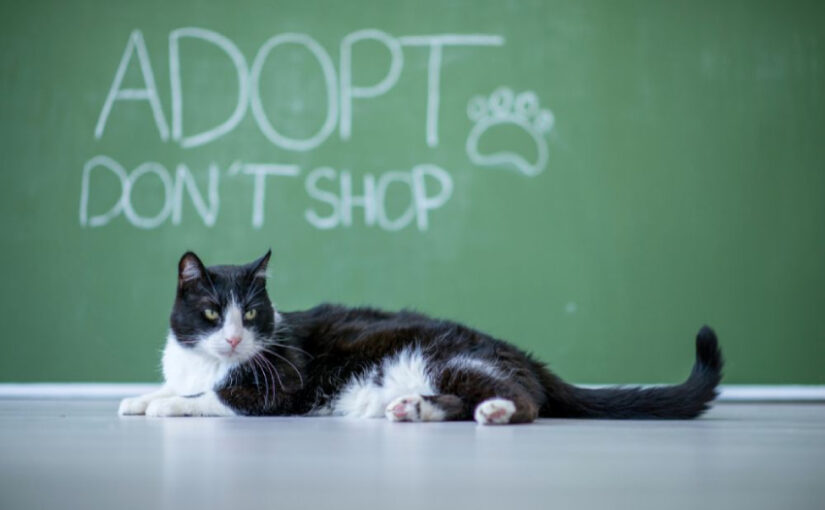
In the end, why adopting a pet is better than buying comes down to compassion, ethics, and making a positive impact. Adoption saves lives, reduces demand for unethical breeding, and fills your home with unconditional love. When you adopt, you’re not just getting a pet—you’re giving hope, healing, and a second chance. So the next time you’re looking for a furry companion, remember: adopt, don’t shop.


Frequently Asked Questions (FAQ)

What Advantages Are There to Adopting a Pet From a Shelter?

Adopting from a shelter gives an animal a second chance at life, often includes vaccinations and health checks, and helps reduce overpopulation in shelters.

Are Shelter Animals Healthy and Safe to Bring Home?

Yes, most shelters perform health screenings, vaccinations, and behavioral assessments to ensure animals are ready for adoption into safe, loving homes.

How Does Adopting an Animal Impact the Community?

Adoption supports local shelters, reduces the number of stray animals, and helps combat unethical breeding practices like puppy mills.

Is It Possible to Find Specific Breeds in Shelters?

Absolutely. Many shelters and breed-specific rescue groups have purebred animals, in addition to mixed breeds, ready for adoption.

What Should I Expect During the Pet Adoption Process?

The process usually involves an application, an interview or home visit, and a small adoption fee. Shelters often offer guidance to help match you with the right pet.