


New Kitten: What to Feed for Healthy Growth

Bringing home a new kitten is an exciting and heartwarming experience. As your tiny feline friend begins to explore the world, proper nutrition becomes essential to support healthy growth, strong bones, and a robust immune system. But with so many food options out there, how do you choose the best diet for your kitten’s needs?

In this article, we’ll guide you through what to feed a new kitten, including the types of food, feeding schedules, and vital nutrients required for a healthy start in life.

Why Nutrition Matters for a Young Cat

Kittens grow rapidly, especially during their first six months. During this time, their bodies are developing muscle, bone, and brain tissue at a fast pace. This development demands a diet that includes a proper balance of protein, fats, vitamins, and minerals.

Poor nutrition at this early stage can lead to developmental issues, stunted growth, and a weakened immune system. That’s why choosing the right food for your new kitten is a crucial decision for lifelong health.

Kitten Food vs. Adult Cat Food: What’s the Difference?

You may be tempted to feed your little one regular cat food, but don’t make that mistake. Kitten food is specifically designed to meet the energy and nutritional needs of developing kittens.

Here’s how kitten food differs:

  • Higher Protein Content: Supports muscle development.
  • More Calories: Fuels their rapid growth and playfulness.
  • Essential Fatty Acids: Aid in brain and vision development.
  • Added Vitamins and Minerals: For the development of bones, elements like calcium and phosphorus are essential.

Always look for labels that say “complete and balanced for growth” or “for kittens” to make sure the food satisfies the AAFCO (Association of American Feed Control Officials) nutritional requirements.

Wet or Dry Food: Which is Best for a New Kitten?

Both wet and dry kitten foods have their advantages:

  • Wet Food: Higher in moisture, which helps with hydration, especially if your kitten doesn’t drink much water.
  • Dry Food: Convenient and great for dental health, but ensure your little one is drinking enough water.

Ideally, a combination of both can give your new kitten the benefits of hydration and dental care.

How Often Should You Feed a Fur Baby?

Kittens have small stomachs but big appetites. Here’s a general feeding guide based on age:

  • 0–4 weeks: Mother’s milk or kitten milk replacer (if orphaned).
  • 4–8 weeks: Transition slowly to soft wet food or moistened dry food.
  • 8–12 weeks: Feed four times a day.
  • 3–6 months: Three meals a day.
  • 6 months and older: Two meals a day may be sufficient, depending on your vet’s advice.

Always provide fresh water and never feed cow’s milk, as it can cause digestive upset.

Treats and Human Food: What to Avoid

While it’s tempting to share snacks, not all human foods are safe for kittens. Avoid:

  • Chocolate
  • Onions and garlic
  • Grapes and raisins
  • Bones and raw meat
  • Dairy products

Treats should make up no more than 10% of your kitten’s daily calories. Look for kitten-specific treats if you want to reward your pet.

When to Switch to Adult Cat Food

Most kittens can transition to adult cat food at around 12 months old, though larger breeds like Maine Coons may continue growing past that age. Always consult your veterinarian before making the switch.

Feline Baby Feeding Guide at a Glance

Kitten AgeFeeding FrequencyFood TypeKey Notes
0–4 weeksEvery 2–4 hoursKitten milk replacer (if not nursing)Keep warm; consult vet if orphaned
4–8 weeks4–5 times per dayWet kitten food, moistened dry foodBegin weaning; introduce shallow water dish
8–12 weeks4 meals per dayHigh-quality wet and dry kitten foodEnsure food is formulated for kittens
3–6 months3 meals per dayWet and/or dry kitten foodMonitor weight; adjust portions if needed
6–12 months2–3 meals per dayKitten food (wet and/or dry)Prepare for transition to adult food around 12 mo.
12+ months2 meals per day (typical)Adult cat foodTransition slowly over 7–10 days

Conclusion: Giving Your New Kitten the Best Start

Providing your new kitten with the appropriate diet is crucial for their growth into a healthy, happy adult cat. Choose a high-quality kitten food, stick to a consistent feeding schedule, and avoid harmful human foods. With the right nutrition and lots of love, your kitten will thrive in its new home.

For any concerns about feeding, consult your veterinarian without hesitation. A healthy diet today creates the foundation for a lifetime of wellness and companionship.


Frequently Asked Questions (FAQ)

Can Kittens Drink Cow’s Milk?

No. Cow’s milk can cause digestive upset, including diarrhea, because most cats are lactose intolerant. Stick to a vet-approved kitten milk replacer if needed.

How Do I Know if My Kitten is Eating Enough?

Healthy kittens are usually energetic and gain weight steadily. Weigh your kitten weekly and consult your vet if growth seems slow or if appetite changes drastically.

Is It Acceptable to Leave Dry Food Out All Day?

Free-feeding dry food is fine for some kittens, but it can lead to overeating. Scheduled feeding is generally better for monitoring intake and encouraging good habits.

When Should I Introduce Treats?

Free-feeding dry food is fine for some kittens, but it can lead to overeating. Scheduled feeding is generally better for monitoring intake and encouraging good habits.

Should I Give Supplements or Vitamins?

Not unless your veterinarian recommends them. High-quality kitten food already contains the necessary nutrients for proper growth and development.

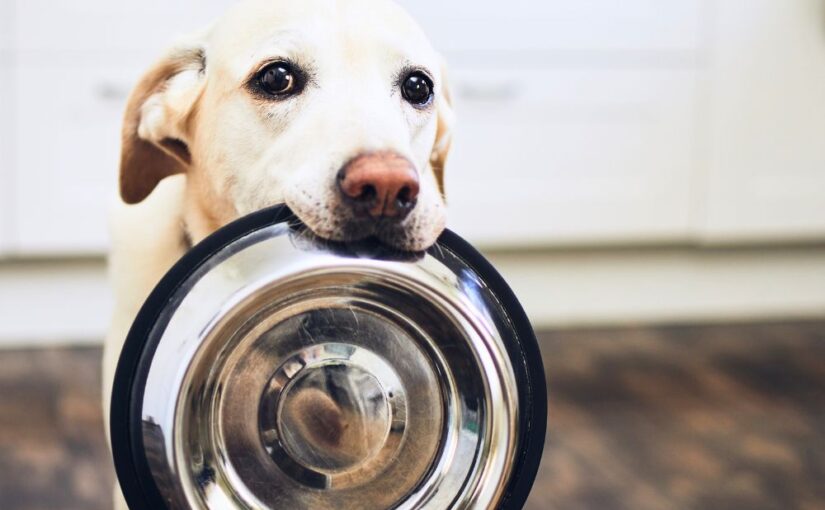
Senior Dog: Best Foods to Keep Them Healthy

As dogs get older, their dietary needs change. A senior dog often has a slower metabolism and reduced energy levels, and may develop health issues like arthritis or dental problems. It’s essential to choose the right food to help your aging companion stay active, happy, and healthy throughout their golden years.

Understanding the Nutritional Needs of a Senior Dog

A senior dog typically requires fewer calories but more high-quality nutrients. Protein becomes more crucial than ever in maintaining muscle mass and supporting organ function. At the same time, fat content should be balanced to prevent unhealthy weight gain.

Key nutrients to look for in senior dog food include:

  • High-quality protein (like chicken, fish, or turkey)
  • Omega-3 fatty acids (for both brain and joint health)
  • Antioxidants (to support the immune system)
  • Fiber (for digestive health)
  • Glucosamine and chondroitin (to support joint mobility)

Best Types of Food for Senior Dogs

There’s no one-size-fits-all diet for older pets, but these food types are often recommended:

1. Dry Kibble Formulated for Senior Dogs

Dry food is excellent for dental health, and many brands offer kibble specifically for older dogs. Look for options labeled “senior” or “mature” that include added nutrients, such as glucosamine.

2. Wet Food for Dogs with Dental Issues

If your senior dog has trouble chewing or shows signs of dental discomfort, wet food can be a softer and more palatable option. Just make sure it’s balanced and not too high in fat.

3. Homemade Dog Food

For owners who prefer complete control over their dog’s diet, homemade diets can be tailored to meet their dog’s specific needs. Always consult a veterinarian or canine nutritionist to ensure that your recipe meets all the nutritional needs of a senior dog.

4. Veterinary-Prescribed Diets

For dogs with chronic health issues like kidney disease or diabetes, specialized diets prescribed by your vet are often necessary. These foods are formulated to manage specific conditions while supporting overall health.

Feeding Tips for Senior Dogs

  • Regular vet checkups: Monitor your dog’s weight, mobility, and overall health to adjust their diet as needed.
  • Portion control: Overfeeding can result in obesity, which can exacerbate joint and heart problems.
  • Encourage hydration: Senior dogs are prone to dehydration, so ensure fresh water is always available.
  • Supplements: After consulting with your veterinarian, consider adding supplements like fish oil or probiotics.

Recommended Food Options for a Senior Dog

Food TypeKey BenefitsBest For
Dry Kibble (Senior Formula)Supports dental health, balanced nutrients, added joint supportMost healthy senior dogs
Wet FoodEasier to chew, higher moisture contentDogs with dental issues or reduced appetite
Homemade FoodFully customizable, fresh ingredientsDogs with allergies or picky eaters (vet guidance recommended)
Veterinary-Prescribed DietsTargets specific medical conditions, clinically formulatedDogs with chronic health issues
High-Protein, Low-Calorie OptionsMaintains muscle, controls weightOverweight or less active senior dogs

Conclusion

Feeding your senior dog the appropriate food can greatly enhance their quality of life. Whether you choose commercial senior formulas, wet food, or homemade meals, the goal is to meet their changing nutritional needs and keep them feeling their best. With thoughtful diet choices and regular care, your loyal companion can enjoy their golden years with health and vitality.


Frequently Asked Questions (FAQ)

What Age is Considered “Old” for a Dog?

Most dogs are considered older around age 7, but this varies by breed and size. Larger breeds may reach this stage by 5 or 6, while smaller breeds might not show signs of aging until 8 or 9.

Can Older Dogs Eat Adult Dog Food?

They can, but it may not meet all their changing nutritional needs. Specialized formulas typically have fewer calories, more joint-supporting nutrients, and are easier to digest.

How Often Should I Feed an Older Dog?

Twice a day is usually ideal, but consult your vet based on your pet’s weight, activity level, and any medical conditions.

Are Supplements Necessary in a Senior Diet?

Supplements like glucosamine, omega-3s, and probiotics can be beneficial, especially for joint health, digestion, and coat condition. However, it’s best to use them under veterinary guidance.

What Are Signs That an Older Dog’s Diet Needs to Change?

Watch for indicators such as fluctuations in weight, reduced energy levels, gastrointestinal problems, or variations in coat condition. These may indicate it’s time to adjust their nutrition.

Adult Dog: Best Foods to Keep Them Healthy

As your pup develops into an adult dog, their nutritional needs also change. Unlike puppies, adult dogs require a balanced diet that supports long-term health, maintains an ideal weight, and promotes a strong immune system. Selecting the right food can significantly impact your dog’s energy levels, coat health, and overall well-being.

In this guide, we’ll explore the best foods for adult dogs and help you make wise dietary choices to keep your furry friend healthy and happy.

Why Nutrition Matters for an Adult Dog

Proper nutrition is crucial for maintaining your adult dog’s health. At this stage, dogs are no longer growing rapidly, but they still need high-quality nutrients to sustain muscle mass, support joint health, and prevent chronic diseases.

Feeding your adult dog the right food helps:

  • Maintain a healthy weight
  • Reduce the risk of obesity
  • Support immune function
  • Improve digestion and nutrient absorption
  • Keep skin and coat shiny and healthy

Key Nutrients Every Adult Dog Needs

When choosing food for your adult dog, look for these essential nutrients:

1. Protein

Protein assists in preserving muscle mass and healing body tissues. Look for foods with real meat as the first ingredient—such as chicken, beef, lamb, or fish.

2. Healthy Fats

Fats are crucial for energy, brain function, hormone production, and maintaining a healthy coat. Omega-3 and Omega-6 fatty acids, available from sources like fish oil and flaxseed, provide significant benefits.

3. Complex Carbohydrates

Carbohydrates are essential for digestion and energy production. Brown rice, oats, and sweet potatoes are all great options that provide fiber and other nutrients.

4. Vitamins & Minerals

Essential nutrients like calcium, phosphorus, zinc, and vitamin E keep your adult dog’s bones, teeth, skin, and immune system in top shape.

5. Probiotics & Prebiotics

These support gut health and improve digestion, especially in dogs with sensitive stomachs.

Best Types of Dog Food for Adult Dogs

Based on your dog’s preferences and health requirements, you can select from various types of food:

1. Dry Kibble

The most common and convenient option. Look for premium brands that use whole-food ingredients and contain no artificial additives.

2. Wet or Canned Food

Perfect for picky eaters or dogs needing additional hydration. Ensure it is balanced and formulated specifically for adult dogs.

3. Fresh or Raw Diets

Increasingly, pet owners are opting for fresh or raw diets. These can be very nutritious but require careful planning or a subscription from a trusted fresh food provider.

4. Veterinary-Prescribed Diets

For adult dogs with health issues such as allergies, kidney disease, or diabetes, prescription diets can provide targeted nutrition.

Top Recommended Brands for Adult Dog Food

Here are some highly-rated dog food brands recommended by veterinarians, known for their quality ingredients and balanced formulas:

  • Hill’s Science Diet Adult
  • Royal Canin Size Health Nutrition
  • Blue Buffalo Life Protection Formula
  • Wellness Complete Health
  • Orijen Original Dry Dog Food
  • The Farmer’s Dog (fresh, human-grade meals)
  • Merrick Grain-Free Texas Beef & Sweet Potato

Before making any dietary changes for your dog, especially if they already have any health issues, be sure to speak with your veterinarian.

Tips for Feeding Your Adult Dog

  • Portion Control: Check the feeding guidelines on the packaging based on your dog’s weight and activity level.
  • Regular Schedule: Feed your dog at the exact times every day to support digestion and behavior.
  • Avoid Table Scraps: Many human foods are harmful to dogs. Stick to dog-safe treats and snacks.
  • Monitor Weight: An overweight adult dog is at higher risk for diabetes, joint problems, and heart disease.

Best Food Options for Adult Dogs

Type of FoodKey BenefitsIdeal For
Dry KibbleConvenient, long shelf life, helps clean teethMost healthy adult dogs
Wet/Canned FoodHigher moisture content, palatable for picky eatersDogs needing extra hydration or softer food
Fresh Food (e.g., The Farmer’s Dog)Minimally processed, nutrient-rich, often human-gradeOwners seeking premium, personalized nutrition
Raw DietHigh in protein, no fillers or grainsDogs with specific dietary needs (consult vet first)
Veterinary-Prescribed FoodTailored for medical conditions, nutritionally balanced under expert guidanceDogs with allergies, kidney issues, diabetes, or other health concerns

Final Thoughts

Feeding your adult dog a balanced, nutritious diet is one of the most important things you can do for their long-term health. From high-quality kibble to fresh, human-grade meals, the best foods for adult dogs are those that match their unique needs and lifestyle.

By prioritizing your dog’s nutrition, you’re giving them the foundation for a long, healthy, and joyful life.


Frequently Asked Questions (FAQ)

What is the Best Food for an Adult Dog?

The best food for an adult dog depends on their size, activity level, and health. Generally, high-quality kibble with real meat, healthy fats, and no artificial additives is a solid choice. Consult your vet for personalized recommendations.

How Often Should I Feed My Adult Dog?

Most adult dogs do well with two meals per day—once in the morning and once in the evening. Consistent feeding times help regulate digestion and behavior.

Can Adult Dogs Eat Puppy Food?

Puppy food is formulated with greater amounts of calories and nutrients compared to the requirements of an adult dog. Feeding it to an adult dog for an extended period can cause weight gain or nutritional imbalances. It’s recommended to transition to an adult dog food formula around 12 months of age, or according to your veterinarian’s advice.

Are Grain-free Diets Safe for Adult Dogs?

Grain-free diets may be suitable for dogs with allergies or sensitivities. However, recent research has associated certain grain-free foods with heart issues. Be sure to consult your veterinarian before switching to a grain-free option.

How Do I Know if My Dog’s Food is High Quality?

Look for foods that list real meat as the first ingredient, contain whole-food sources of nutrients, and avoid artificial preservatives or fillers. A balanced, complete diet will support your adult dog’s energy, coat, digestion, and overall health.

What to Get With a New Puppy: Essential Supplies

Bringing home a new puppy is an exciting milestone, but it also comes with responsibility. One of the first things new pet owners ask is what to get with a new puppy to ensure a smooth transition into their home. Having the appropriate supplies readily available can significantly impact your puppy’s comfort, training, and overall health, ranging from essential items to useful additions.

1. Food and Water Essentials

When planning what to get with a new puppy, start with the basics: food and water. Select a high-quality puppy food tailored to your dog’s breed and size. It’s advisable to use stainless steel or ceramic bowls, as they are easy to clean and less likely to retain bacteria compared to plastic. Don’t forget a spill-proof mat to keep feeding areas clean.

2. Comfortable Bed and Crate

A cozy bed and an appropriately sized crate provide your puppy with a safe space to rest and relax. Using a crate can assist with housebreaking and alleviate anxiety when you’re away. Look for a crate that allows your puppy to stand, turn around, and lie down comfortably.

3. Collar, Leash, and ID Tags

When deciding what to get with a new puppy, a collar and leash are must-haves for daily walks and training. Ensure that the collar is fitted securely but is not overly tight. Add a name tag with your contact information in case your puppy wanders off. Consider microchipping as a backup for identification.

4. Puppy Pads and Cleaning Supplies

Accidents are part of the puppy journey. Puppy pads are a great training tool, especially if you live in an apartment or can’t get outside frequently. Gather enzyme-based cleaners to eliminate odors and prevent future incidents in the same area.

5. Toys for Teething and Play

Chew toys are not just fun — they help soothe sore gums during teething. Interactive toys, like puzzle feeders or squeaky balls, also keep your puppy mentally stimulated and prevent boredom-related behavior issues.

6. Grooming Tools

When considering what to get with a new puppy, grooming supplies are often overlooked but essential. A brush suited to your puppy’s coat type, nail clippers, dog shampoo, and toothbrushes are must-haves. Regular grooming promotes a healthy coat and lets you spot any skin issues early.

7. Training Treats and Clickers

Reward-based training is efficient with puppies. Keep a supply of small, soft training treats on hand, and consider using a clicker to mark positive behaviors. Consistent, positive reinforcement fosters trust and enables your pup to learn more effectively.

8. Health and Vet Care Basics

While not precisely a “product,” scheduling your first vet visit is crucial. Ask your vet about flea prevention, vaccinations, and deworming. It’s also helpful to have a pet first-aid kit and a binder with your puppy’s health records.

Puppy Essentials Checklist: What to Get

CategoryItemPurpose
FeedingPuppy food, bowls, feeding matProper nutrition and clean mealtime setup
SleepingCrate, dog bedComfort, security, and crate training
Walking & IDCollar, leash, ID tags, harnessSafe walks and quick identification
HousetrainingPuppy pads, enzymatic cleanerAccident cleanup and potty training
Playtime & TeethingChew toys, interactive toysMental stimulation and teething relief
GroomingBrush, shampoo, nail clippersCoat care and hygiene
TrainingTreats, clickerPositive reinforcement and behavior shaping
HealthcareVet visit, flea prevention, recordsHealth check and long-term well-being

Final Thoughts: What to Get With a New Puppy

Understanding what to acquire for a new doggy can establish a joyful and healthy beginning to your life together. With the right essentials — from nutritious food and comfy bedding to training tools and toys — you’ll be well-prepared to welcome your furry friend home. Remember, a little preparation goes a long way in building a strong, loving bond with your new puppy.


Frequently Asked Questions (FAQ)

What Should I Get Before Bringing a New Puppy Home?

Before bringing your puppy home, make sure you have food, bowls, a crate, a bed, a collar and leash, toys, puppy pads, and grooming supplies. Knowing what to get with a new puppy helps avoid last-minute stress.

Do I Need a Crate for My New Pup?

Yes, a crate is a valuable tool for housetraining and giving your pooch a safe, secure place to sleep. It also helps with building routine and reducing anxiety.

What Kind of Food Should I Get for My Pup?

Choose a high-quality pooch food formulated for your dog’s breed and size. Consult your vet to make sure it meets your puppy’s specific nutritional needs.

How Many Toys Should I Get for a New Pup?

Start with 3–5 different types of toys: a chew toy, a soft toy, and at least one interactive toy. This helps with teething and keeps your pup mentally stimulated.

Why is It Important to Know What to Get With a New Pup in Advance?

Being prepared ensures a smooth transition and helps establish healthy habits from day one. Knowing what to get with a new pup makes you a more confident, capable pet parent.

What Do I Need Before Getting a Kitten: Essential Supplies

Bringing a new kitten home is an exciting time, but it also comes with responsibility. Kittens possess a natural curiosity, are playful, and are brimming with energy — and they need a secure and cozy setting to flourish. If you’re asking, What do I need before getting a kitten?, you’re already on the right track. Getting ready ahead of time guarantees an easy adjustment and a joyful beginning for your new cat companion.

In this guide, we’ll cover all the essential supplies you need before your kitten steps paw into their new home.

1. A Safe, Comfortable Carrier

Before you even bring your kitty home, you’ll need a secure pet carrier. It’s essential for transportation — from the breeder or shelter to your home, and for future vet visits. Select a hard-sided carrier with good ventilation and a secure locking door. Add a soft towel or blanket inside to make it cozy.

2. Quality Kitten Food

Feeding your fur baby the right food is crucial for healthy growth. Look for high-quality kitten-specific food, as it’s specially formulated with the proper nutrients, vitamins, and protein levels. You can choose between wet, dry, or a combination, but consult your vet for recommendations based on your kitten’s breed and health needs.

Tip: Introduce new foods gradually to avoid digestive issues.

3. Food and Water Bowls

Stainless steel or ceramic bowls are best — they’re easy to clean and don’t retain odors. Avoid plastic, which can harbor bacteria and cause skin irritation. Ensure the bowls are shallow enough for small kittens to access easily.

4. Litter Box and Litter

Every kitten needs a litter box — and they’ll need to know where it is right away. Choose a shallow, easy-to-enter box for young kittens. You’ll also need:

  • Unscented, clumping litter (kittens can be sensitive to strong smells)
  • A litter scoop for daily cleaning
  • A litter mat to keep messes contained

Place the litter box in a calm, less frequented spot to promote its use.

5. A Cozy Bed or Blanket

Your kitty will need a warm, quiet spot to sleep. Invest in a soft, washable kitten bed, or use a fleece blanket in a small box or crate. Some kittens prefer sleeping in enclosed spaces where they feel safe, so consider a hooded bed or soft-sided carrier.

6. Toys and Enrichment

Kittens are incredibly playful and need stimulation for healthy mental and physical development. Have a variety of kitten-safe toys ready, such as:

  • Feather wands
  • Small balls
  • Catnip toys (for older kittens)
  • Puzzle feeders

Rotate your kitten’s toys regularly to keep them engaged.

7. Scratching Posts or Pads

Kittens instinctively scratch to stretch and mark territory. Save your furniture by providing appropriate scratching surfaces, such as:

  • Vertical scratching posts
  • Horizontal cardboard scratchers
  • Cat trees with built-in scratching areas

Introduce these early so your kitten learns good habits.

8. Grooming Supplies

Even short-haired kittens benefit from basic grooming. Before getting a furball, stock up on:

  • A soft kitten brush or comb
  • Nail clippers (specifically for cats)
  • Pet-safe wipes for cleaning paws and fur

Start grooming your kitten early so they become accustomed to the routine.

9. Collar and ID Tag

While your kitten may not go outside, it’s still a good idea to get a breakaway collar with an ID tag. Include your phone number in case they slip out the door.

Bonus: Consider microchipping your kitty for added safety.

10. First Vet Visit and Health Essentials

Schedule your kitten’s first vet visit within the first week of bringing them home. Your vet will:

  • Check for parasites
  • Start vaccinations
  • Discuss spaying/neutering
  • Provide flea/tick prevention (if needed)

It’s also wise to have a kitten health record folder to track medical history and appointments.

Starter Checklist: Essential Supplies at a Glance

ItemWhy It’s ImportantTips
CarrierFor safe transport and vet visitsChoose hard-sided with good ventilation
Kitten FoodSupports growth and developmentUse high-quality, kitten-formulated food
Food & Water BowlsFor daily feeding and hydrationUse ceramic or stainless steel
Litter Box & LitterEssential for potty trainingChoose unscented, clumping litter
Cozy Bed or BlanketProvides a safe and warm resting spaceWashable and soft; consider enclosed beds
Toys & EnrichmentEncourages physical and mental stimulationRotate toys to keep things exciting
Scratching Posts/PadsPrevents destructive scratchingOffer vertical and horizontal options
Grooming SuppliesHelps maintain coat and hygieneStart grooming routines early
Collar & ID TagIncreases chances of return if lostUse breakaway collar for safety
Vet Visit & Health CareEnsures kitten is healthy and protectedBook within the first week

Final Thoughts: What Do I Need Before Getting a Kitten?

If you’re still wondering, What do I need before getting a kitten?, the answer is preparation. From food and litter to toys and a cozy bed, gathering these essential supplies in advance will help you and your pet start your life together on the right paw.

Bringing home a kitten is more than just cute cuddles — it’s a commitment. By organizing your space appropriately, you can greet your new four-legged companion with warmth and a home that’s fully equipped for them.


Frequently Asked Questions (FAQ)

What Do I Need Before Getting a Kitten for the First Time?

Before bringing a kitten home, you’ll require important items such as kitten food, a litter box, a bed, toys, a scratching post, food and water dishes, a carrier, grooming tools, and an arrangement for a veterinary checkup. Having these ready helps your kitten settle in comfortably.

Should I Buy Everything Before Bringing My Kitten Home?

Yes, it’s best to have all basic supplies prepared in advance. This establishes a secure and comfortable atmosphere for your kitten right from the start, facilitating a smoother transition.

What Type of Food Should I Feed a New Kitten?

Feed your kitten high-quality, age-appropriate food labeled specifically for kittens. It ought to be abundant in protein and vital nutrients.. Wet, dry, or a mix can be used, depending on your kitten’s preference and your vet’s advice.

How Many Litter Boxes Do I Need for One Kitten?

A good rule is one litter box per kitten, plus one extra. For a single kitten, one is usually enough, but having an extra can help prevent accidents, especially in multi-level homes.

When Should I Take My New Kitten to the Vet?

You should schedule your kitten’s first vet visit within the first 3–7 days of bringing them home. The vet will perform a health check, start vaccinations, and discuss preventive care like deworming and flea control.

Things to Get for Your First Cat: Essential Supplies

Bringing home your first cat is an exciting experience, but it also comes with responsibilities. From meals to litter containers and play items, being adequately equipped guarantees an effortless adjustment for both you and your new cat companion. In this guide, we’ll explore the things to get for your first cat so that you can start your journey as a cat parent on the right paw.

1. Cat Food and Water Bowls

Start with the basics—your kitty will need high-quality wet or dry food tailored to their age and health needs. Stainless steel and ceramic bowls are fantastic choices! They’re easy to clean and significantly reduce the risk of bacteria compared to plastic. Happy eating!

Tip: Consider a water fountain. Felines are instinctively attracted to flowing water, which can aid in their hydration.

2. Litter Box and Cat Litter

No list of things to get for your first cat is complete without a litter box. Choose one that’s large enough for your kitty to turn around comfortably. You’ll also need litter (clumping is easiest to clean), a scoop, and a mat to catch stray particles.

Bonus: Covered litter boxes offer more privacy, but some cats prefer open ones. Test and see what your cat likes best.

3. Cat Bed and Safe Sleeping Areas

Cats sleep 12–16 hours a day, so a cozy bed is a must. Place it in a quiet, draft-free area. Some cats prefer elevated spots or heated beds—again, comfort and safety are key.

4. Scratching Posts and Pads

To protect your furniture, invest in several scratching options. Cats inherently need to scratch, as it aids in maintaining the health of their claws and alleviates stress.

Try this: Use vertical scratching posts for stretching and horizontal pads for variety.

5. Toys and Enrichment

Toys that capture your cat’s attention, like feather wands, laser pointers, and treat puzzles, help keep your pet mentally and physically stimulated.Additionally, playtime fosters a deeper connection between you and your feline friend.

6. Carrier for Vet Visits

A durable, well-aerated cat carrier is crucial for secure travel. Get your pet used to the carrier early by leaving it out with soft bedding and treats inside.

7. Grooming Tools

Depending on your cat’s coat length, grooming tools like brushes, nail clippers, and pet-safe wipes will help keep them clean and healthy.

Short-haired cats require less grooming, but regular brushing still helps reduce shedding and the formation of hairballs.

8. Identification and Microchip

Even indoor cats can slip outside. A breakaway collar featuring an ID tag and a microchip greatly enhances the likelihood of reuniting with your kitty if it becomes lost.

New Feline Checklist

CategoryEssential ItemNotes/Tips
FeedingFood & Water BowlsUse stainless steel or ceramic; consider a fountain
High-Quality Cat FoodChoose based on age and health
LitterLitter BoxAt least one per cat; consider open vs. covered
Cat Litter & ScoopClumping is easiest to clean
Litter MatHelps reduce mess around the box
SleepingCat BedPlace in a quiet, cozy spot
ScratchingScratching Post/PadOffer both vertical and horizontal options
Toys & EnrichmentInteractive ToysRotate toys to keep them interesting
Puzzle FeedersGreat for mental stimulation
TransportCat CarrierSoft or hard shell; well-ventilated
GroomingBrush/Nail ClippersChoose grooming tools based on coat type
SafetyBreakaway Collar + ID TagAlways use a breakaway style for safety
MicrochipAsk your vet during your first visit

Conclusion

Getting a new kitty is a joyful experience, but preparation is key to ensuring a happy and healthy life for your new pet. From food and litter boxes to toys and scratching posts, these are just some of the essential things to get for your first cat. By providing the right supplies and environment, you’ll create a safe, comfortable, and loving home in which your feline companion will thrive.


Frequently Asked Questions (FAQ)

What Are the Most Important Things to Get for Your First Cat?

The most essential items include food and water bowls, quality cat food, a litter box with litter, a scratching post, toys for enrichment, a cat bed, and a carrier. These help meet your cat’s basic needs and ensure a comfortable start in their new home.

Do I Need a Scratching Post Right Away?

Absolutely. Scratching is an instinctive action for cats, and offering a scratching post or pad from the very beginning can help avoid harm to your furniture while also making your kitty feel comfortable in its new environment.

What Kind of Litter Box is Best for a First-time Cat Owner?

An open, standard-sized litter box is usually best to start with, as it’s easy for your cat to access and for you to clean. As you learn your cat’s preferences, you can upgrade to covered, self-cleaning, or larger options if needed.

How Many Toys Should I Get for My First Cat?

Start with 3–5 toys of different types—like interactive toys, balls, and plushies. Rotating toys keeps your pet mentally stimulated and prevents boredom.

Should I Get My Cat Microchipped Even if It’s an Indoor Cat?

Yes. Accidents happen, and indoor cats can slip outside. A microchip significantly enhances the likelihood of reuniting with your cat if it goes missing.

Things to Get for Your First Dog: Essential Supplies

Bringing home your first dog is an exciting and life-changing experience. While most advice focuses on puppies, many first-time dog owners adopt adult or senior dogs—and their needs can be quite different. Whether you’re introducing a rescue dog or one that’s been rehomed, this guide includes all the necessary supplies for your first adult dog, assisting you in establishing a safe, cozy, and nurturing space from the very first day.

1. Properly Fitted Collar & ID Tags

Adult dogs may already be accustomed to wearing collars, but it’s essential to select one that fits appropriately and features up-to-date identification tags. Look for:

  • Adjustable collars made from soft, durable material
  • ID tags with your dog’s name and up-to-date phone number
  • Optional: A microchip for extra security

2. A Sturdy Leash and Harness

Many adult dogs are already leash-trained, but to ensure safety during walks, invest in:

  • A 4-6 ft leash (nylon or leather)
  • A no-pull harness (great for strong dogs or those who tend to pull)
  • Optional: A long training lead for recall practice or safe exploration

3. Comfortable Dog Bed

Unlike puppies who may chew their beds, adult dogs usually appreciate a cozy, supportive place to rest. Look for:

  • Orthopedic foam beds for joint support (especially for senior dogs)
  • Washable covers for easy cleaning
  • A bed sized appropriately to allow them to stretch out fully

4. Quality Food & Feeding Supplies

Fully grown dogs require different dietary requirements compared to puppies. Choose:

  • A vet-recommended dog food appropriate for their age, size, and breed
  • Stainless steel or ceramic bowls (non-slip is best)
  • A slow feeder bowl if your dog eats too quickly
  • Optional: Food storage containers to keep kibble fresh

5. Fresh Water Access

Hydration is crucial. Make sure to provide:

  • At least one clean water bowl available at all times
  • Consider a pet water fountain for dogs that prefer running water

6. Toys for Mental & Physical Stimulation

Adult dogs still love to play! Choose toys that suit their age and temperament:

  • Chew toys (durable rubber like KONGs)
  • Interactive puzzle toys for mental stimulation
  • Fetch toys like balls or frisbees
  • Avoid toys meant for teething puppies, as they may be too soft

7. Grooming Supplies

Even short-haired adult dogs require grooming. Start with:

  • A dog-specific brush suited to their coat type
  • Dog shampoo (gentle and non-toxic)
  • Nail clippers or a nail grinder
  • Optional: Dog toothbrush and toothpaste

If you have any doubts, consult your veterinarian or a groomer for advice tailored to your dog’s breed or coat type.

8. Crate or Safe Space

Adult dogs may not need crate training, but a crate can still serve as a safe retreat or travel aid:

  • Choose a crate that’s large enough for your dog to stand, turn, and lie down comfortably
  • Add a soft mat or blanket
  • Leave the crate open during the day so your dog can use it voluntarily

9. Waste Management Tools

Keeping your space clean is part of responsible dog ownership:

  • Poop bags (biodegradable options available)
  • A pooper scooper for your yard
  • Enzyme cleaners in case of accidents indoors

10. Basic First Aid Kit

Having a pet first aid kit can help you manage minor issues:

  • Gauze, antiseptic wipes, tweezers
  • Styptic powder (for nail bleeding)
  • Your vet’s emergency contact information

11. Training Tools (Yes, Adult Dogs Learn Too!)

Don’t assume an adult dog doesn’t need training—many still benefit from structure:

  • Training treats for positive reinforcement
  • A clicker if using clicker training methods
  • Consider enrolling in a basic obedience class for adult dogs

12. Travel and Safety Gear

For car rides or outings:

  • A dog seatbelt harness or crate for the car
  • A travel water bowl
  • An extra leash and collar in your car or bag

Bonus: Insurance and Vet Care

Not a physical supply, but just as essential:

  • Pet insurance to cover unexpected health costs
  • A veterinarian relationship—book an initial wellness check to establish care

Quick Reference Table: Essential Supplies for Your First Adult Dog

CategoryEssential Item(s)Why It’s Important
IdentificationCollar with ID tag, MicrochipEnsures your dog can be returned if lost
Walking GearLeash, No-pull harnessSafe and controlled outdoor walks
Sleeping AreaOrthopedic or padded dog bedSupports joints and provides a cozy rest space
Feeding SuppliesFood bowls, Adult dog food, Slow feeder (optional)Promotes healthy digestion and meets dietary needs
Water AccessWater bowl or pet fountainKeeps your dog hydrated all day
Toys & EnrichmentChew toys, Puzzle toys, Fetch toysPrevents boredom and encourages mental stimulation
Grooming ToolsBrush, Shampoo, Nail clippers, Toothbrush (optional)Maintains hygiene and prevents skin/coat issues
Safe Space / CrateCrate with blanket or matOffers comfort and a sense of security
Waste CleanupPoop bags, Pooper scooper, Enzyme cleanerKeeps your home and yard clean
First AidPet first aid kit, Styptic powder, Vet contact infoFor handling minor injuries or emergencies
Training ToolsTreats, Clicker, Training leashReinforces good behavior and builds trust
Travel GearCar harness or crate, Travel bowls, Extra leashKeeps your dog safe and prepared for outings

Final Thoughts

Welcoming an adult dog into your home is a truly rewarding experience. While they may not need teething toys or potty training pads like puppies, they still require thoughtful care, comfort, and patience. By gathering these crucial supplies, you are establishing the groundwork for a joyful and healthy life together.


Frequently Asked Questions (FAQ)

What Should I Buy Before Bringing Home an Adult Dog?

Before bringing home an adult dog, you’ll need essentials like a properly fitted collar with ID tags, a leash and harness, food and water bowls, a comfortable bed, quality adult dog food, grooming tools, toys, and waste cleanup supplies. These help ensure a smooth and safe transition into their new home

Do Adult Dogs Need Different Supplies Than Puppies?

Yes, adult dogs have different needs. For example, they typically don’t need teething toys or potty training pads. Instead, focus on orthopedic beds, enrichment toys, and adult-formula food. They may also benefit more from structured walks and mental stimulation.

How Can I Make an Adult Dog Feel at Home in a New Environment?

Give your dog a quiet, safe space like a crate or designated room. Use a consistent routine for feeding, walks, and bedtime. Provide familiar scents if possible (like a blanket from the shelter), and be patient—adjustment can take several days to weeks.

What Kind of Toys Are Best for Adult Dogs?

The best toys for adult dogs depend on their size, breed, and personality. Durable chew toys (like KONGs), interactive puzzle toys, and fetch toys are great options. Avoid soft toys meant for teething puppies, which can break easily and pose a choking risk.

Do I Still Need to Train an Adult Dog?

Absolutely. While many adult dogs are house-trained, they still need structure, boundaries, and bonding time. Use positive reinforcement training, reward good behavior with treats or praise, and consider enrolling in an obedience class for adult dogs to strengthen your connection.

Bringing Home a Dog for the First Time: Beginner’s Guide

Bringing home a dog for the first time is one of the most rewarding decisions you can make. Whether you’re adopting a rescue dog or getting a puppy, this new chapter comes with both excitement and responsibility. As someone who is getting a dog for the first time, it’s crucial to get ready adequately and comprehend what your new furry friend requires to feel protected, secure, and cherished.

This guide will walk you through everything you need to know about bringing home a dog for the first time, from prepping your home to building a lifelong bond.

1. Prepare Your Home Before Your Dog Arrives

Dog-Proofing Basics

Before your dog sets foot (or paw) inside your home, you’ll want to ensure it’s a safe space. Hide or secure the following:

  • Electrical cords and chargers
  • Cleaning supplies and medications
  • Toxic plants
  • Shoes and small chewable items

Essential Supplies Checklist

Make sure you have the following essentials ready before bringing home a dog for the first time:

  • Dog bed or crate
  • Food and water bowls
  • Leash, collar, and ID tag
  • High-quality dog food
  • Toys for mental stimulation
  • Puppy pads or waste bags
  • Grooming tools

Having everything in place ensures a smoother transition for both you and your dog.

2. Create a Calm and Stable First Day

Start Slow and Quiet

Your dog’s first day home should be quiet and stress-free. Give them time to explore their surroundings at their own pace. Avoid introducing too many people or animals at once, and allow your dog to get comfortable with one area before expanding access.

Establish a Routine

Dogs are more at ease when they are aware of what to anticipate. Establish regular schedules for:

  • Feeding
  • Potty breaks
  • Walks
  • Playtime
  • Sleep

Routines help dogs adjust faster, especially if you’re bringing home a rescue dog for the first time.

3. Begin Training from Day One

Use Positive Reinforcement

Basic training should begin immediately after bringing home a dog for the first time. Teach commands like:

  • Sit
  • Stay
  • Come
  • Leave it

Reward good behavior with treats, praise, or play. Avoid punishment — it only creates fear and mistrust.

House Training Tips

If you’re adopting a puppy, housebreaking is a top priority. Be consistent with potty breaks, especially after meals and naps. Praise them when they go in the right spot, and clean up accidents calmly.

4. Bond and Build Trust with Your New Dog

Give Space, Then Show Love

Some dogs require time to adjust and decompress after adoption. Let them come to you. As trust builds, engage in play, gentle petting, and short training sessions to reinforce your bond.

Watch Body Language

Learning to read your dog’s signals is crucial. Signs of stress may include:

  • Tail tucked
  • Avoiding eye contact
  • Trembling or hiding

Exercise patience, and foster an environment where your dog feels secure enough to express themselves.

5. Visit the Vet Within the First Week

Within the first few days of bringing home a dog for the first time, schedule a wellness check with a veterinarian. This visit should include:

  • General health assessment
  • Vaccinations and parasite prevention
  • Microchipping (if not already done)
  • Nutrition and care recommendations

This is also an excellent opportunity to inquire about spaying and neutering, as well as local pet health resources.

6. Be Prepared for Setbacks

Even with the best planning, things may not go perfectly. Your dog might bark excessively, have accidents, or exhibit anxious behavior. These issues are common, especially during the adjustment period.

If necessary, seek advice from a dog trainer or behaviorist who focuses on first-time dog adoptions or rescue animals. Support and consistency go a long way.

Quick Guide: First-Time Dog Owner Checklist

StepWhat to DoWhy It Matters
1. Prep Your HomeDog-proof and gather supplies like food, toys, bed, and crateCreates a safe and welcoming environment
2. Keep the First Day CalmLimit visitors, give space, and let your dog explore slowlyHelps reduce anxiety and build trust
3. Set a RoutineConsistent schedule for feeding, potty, and walksPromotes stability and faster adjustment
4. Begin Basic TrainingStart with commands like “sit” and “stay” using positive reinforcementBuilds good habits early on
5. Bond and ObserveSpend quality time and learn your dog’s body languageStrengthens the relationship and trust
6. Schedule a Vet VisitHealth check, vaccinations, and microchippingEnsures your dog is healthy and protected
7. Stay Patient with SetbacksBe consistent and seek help if neededSupports long-term success and behavior shaping

Conclusion: Your New Best Friend Awaits

Bringing home a dog for the first time is a significant milestone that can bring years of love and joy. With proper preparation, routine, and care, you can help your dog feel safe and welcome in their new home.

Keep in mind that the connection you establish in the beginning will create the groundwork for a lifelong partnership. Whether it’s your first puppy or you’re adopting an older rescue, bringing home a dog for the first time is a journey filled with learning, growth, and unconditional love.


Frequently Asked Questions (FAQ)

What Should I Do First When Bringing Home a Dog for the First Time?

Start by preparing your home with essential supplies, creating a quiet space for your dog, and introducing a consistent routine. The first few days should focus on building trust and helping your dog adjust.

How Long Does It Take for a New Dog to Adjust to a New Home?

Adjustment time varies, but most dogs take a few days to several weeks to settle in. Rescue dogs may need longer. Patience, routine, and positive reinforcement help speed up the process.

Should I Crate Train My Dog Right Away?

Yes, crate training can begin from day one if done positively. A crate provides a safe, calm space for your dog and supports housetraining and independence when introduced correctly.

How Do I Help My Dog Feel Comfortable in a New Environment?

Limit stressors like loud noises or many visitors. Stick to a routine, use positive reinforcement, and give your dog time to explore their new space at their own pace.

When Should I Take My New Dog to the Vet?

Ideally, schedule a vet visit within the first 5–7 days after bringing home your dog. This ensures they’re healthy, vaccinated, and you can address any immediate care needs.

Bringing Home a Cat: The Good, the Bad, and What to Do

Bringing home a cat is a big step—whether it’s your first pet or you’re adding a new feline to your family. It can be exciting, heartwarming, and sometimes a little confusing. Cats are creatures of routine, and adapting to a new environment often presents both surprises and challenges.

In this guide, we’ll walk you through what to expect—the good, the bad, and most importantly, what to do to help your new cat settle in smoothly.

The Good: When Things Go Right

Let’s start with the positives. Many cats adapt more quickly than expected, especially if you’ve prepared your home well.

Smooth Litter Box Use

Cats usually come with a strong instinct to use a litter box, especially if they’ve already been trained. It’s not uncommon for a new cat to locate the box and use it right away.

Early Signs of Affection

Some cats will begin to show affection within hours or days of being introduced. They might rub against your legs, follow you from room to room, or curl up nearby. These early bonding moments are gratifying.

Healthy Curiosity

A confident cat will often explore their environment, sniffing everything and even playing with toys fairly quickly. This is a positive indication—they are starting to feel at home.

The Bad: Common Early Challenges

Not everything will go smoothly at first—and that’s completely normal. Here are a few common issues you may encounter after bringing home a cat.

Hiding or Avoidance

Many cats spend their first few days hiding under furniture or staying in one room. Don’t worry—this is a typical reaction to new sights, smells, and sounds. Avoid forcing interaction. Let them come to you when they’re ready.

Litter Box Accidents

Even a well-trained cat might have an accident in a new home, especially if they’re stressed or unsure where the box is. Show them the box location early, and keep it clean and accessible.

Nighttime Meowing or Zoomies

Cats are typically most active during dawn and dusk. Your new cat may vocalize at night or become restless and race around the house. Offer evening play sessions and a small bedtime snack to help settle them.

Scratching or Climbing Furniture

Cats need to scratch—it helps them stretch, shed nail sheaths, and mark territory. If you don’t provide a scratching post or pad, your couch might become a target. Offer appropriate outlets and redirect their energy.

Appetite Fluctuations

Some cats refuse to eat the first day or two due to stress. Others may overeat if they’re unsure when the next meal is coming. Establish a consistent feeding routine and keep a close eye on their appetite to make sure they are receiving adequate nourishment.

What to Do: Tips for a Smooth Transition

Bringing home a cat means helping them adjust on their terms. Here’s how to support that process:

Give Them Space

Set up a quiet “starter room” with essentials: food, water, litter box, bed, and a few toys. Let them stay there until they feel comfortable enough to explore the rest of the house.

Stick to a Routine

Cats love predictability. Feed, play, and clean the litter box around the exact times each day. Routine builds trust and reduces stress.

Let Them Come to You

Don’t rush physical contact. Sit quietly nearby, whisper, and offer treats. Trust takes time, especially with shy or previously traumatized cats.

Enrich Their Environment

Provide scratching posts, climbing options (like shelves or cat trees), window perches, and toys. Boredom can lead to behavioral issues.

Slowly Introduce Other Pets or People

If you have other animals or kids in the home, go slow. Use scent swapping (trading bedding), short supervised visits, and plenty of patience.

When to Call the Vet

While some stress-related behaviors are expected, some signs may need professional attention:

  • No eating or drinking for 24 hours or more
  • Persistent vomiting or diarrhea
  • Extreme lethargy
  • Aggression that doesn’t improve
  • Indications of sickness include coughing, sneezing, or any discharge.

If in doubt, call your vet—especially if your cat hasn’t had a wellness check yet.

New Cat: What to Expect

CategoryWhat to ExpectWhat You Can Do
Litter Box UseMay use box immediately or have minor accidentsShow location early, keep it clean and accessible
AffectionMay bond quickly or take time to warm upLet them come to you, use treats and soft voice
ExplorationConfident cats may explore and play right awayProvide toys and safe spaces
Hiding/AvoidanceNormal in early days—especially in shy or anxious catsCreate a quiet starter room, don’t force interaction
Nighttime ActivityMeowing, zoomies, or restlessness are commonOffer evening playtime and small bedtime snack
Scratching/ClimbingMay scratch furniture or climb unexpectedlyOffer scratching posts, climbing options, and redirection
Eating HabitsAppetite may decrease or increase due to stressKeep feeding routine consistent, monitor closely
Other Pets/PeopleMay react with fear, stress, or aggressionUse slow introductions, scent-swapping, and supervision
Health ConcernsVomiting, no eating, or extreme lethargy may signal a problemCall a vet if symptoms persist or worsen

Conclusion: It Gets Easier

Bringing home a cat is the beginning of a beautiful bond, but it doesn’t always feel perfect right away. Be patient, stay observant, and celebrate small wins—like the first time they eat, purr, or rub against your leg.

The first days and weeks are about building trust and helping your cat feel safe. With time, consistency, and compassion, your new companion will settle in and begin to reveal their true personality.


Frequently Asked Questions (FAQ)

How Long Does It Take for a Cat to Adjust to a New Home?

It varies by cat. Some may adjust in a few days, while others may take several weeks. Giving them space, a consistent routine, and gentle interaction can help ease the transition.

What Should I Prepare Before Bringing Home a Cat?

Set up a litter box, provide dishes for food and water, include a scratching post, offer a cozy bed, and have a selection of toys in a serene setting. Having everything ready makes your cat feel secure right away.

Is Hiding Normal After Bringing Home a Cat?

Yes, hiding is very common. Your cat may stay under furniture or in secluded spots for a few days. Don’t force interaction—let them come out on their own when they feel secure.

Why is My Cat Meowing a Lot at Night After Coming Home?

Cats are crepuscular, meaning they’re most active at dawn and dusk. Nighttime meowing can also signal anxiety. Try offering interactive playtime and a small meal before bed.

When Should I Take My New Cat to the Vet?

Ideally, within the first week of bringing your cat home. Even if they appear healthy, a wellness check ensures they’re up to date on vaccinations and free of any hidden issues.

How to Introduce a New Dog to Your Home

Welcoming a new dog into your home is an exciting and rewarding experience; however, it can also be overwhelming, particularly for first-time pet owners. Whether you’re adopting a puppy, a senior dog, or rescuing a pet from a shelter, how you introduce them to your home can shape their comfort, behavior, and relationship with you for years to come.

Here’s a step-by-step guide to help make your dog’s transition smooth, safe, and stress-free.

1. Prepare Your Home in Advance

Before your new furry friend arrives, make sure your home is dog-ready:

  • Create a designated space, such as a crate, dog bed, or cozy corner, where your dog can retreat and feel secure.
  • Dog-proof your space by removing items that could be chewed, ingested, or knocked over.
  • Stock up on supplies such as food, water bowls, toys, a leash, a collar, ID tags, and grooming tools.

Having everything in place ahead of time reduces stress for both you and your new companion.

2. Start with a Calm Introduction

When your dog first arrives:

  • Keep greetings low-key. Avoid using loud voices and excessive excitement.
  • Let them explore at their own pace—sniffing and observing is how dogs gather information.
  • Use a leash if necessary, especially in large homes or if you have other pets or children.

The goal is to help your dog feel safe and unpressured in their new environment.

3. Establish a Routine Quickly

Dogs thrive on routine. Start from day one by:

  • Feeding at consistent times.
  • Taking walks on a schedule.
  • Establishing potty times and locations.
  • Setting boundaries (like off-limits furniture or rooms).

A predictable routine builds trust and helps your dog understand what’s expected of them.

4. Introduce Other Pets Carefully

If you already have pets, take introductions slowly:

  • Use neutral territory for first meetings, like a backyard or nearby park.
  • Keep both animals leashed and allow them to sniff each other.
  • Watch for body language—look for signs of stress, fear, or aggression.
  • Gradually increase time spent together under supervision.

Patience is key; it may take days or even weeks for pets to fully adjust to one another.

5. Let Your Dog Decompress

Don’t rush socialization. New dogs often go through a “decompression” period—a few days to a few weeks where they adjust to their new environment.

During this time:

  • Limit visitors and outings.
  • Avoid overwhelming them with too many toys or commands.
  • Focus on building trust with calm interactions and positive reinforcement.

Let them set the pace. Once they feel secure, their personality will begin to shine through.

6. Begin Basic Training Early

Even if your new dog has had previous training, it’s wise to start from scratch:

  • Teach basic commands such as “sit,” “stay,” “come,” and “leave it.”
  • Use positive reinforcement (treats, praise, play).
  • Keep sessions short, consistent, and fun.

Training enhances your bond with your dog and helps them feel confident and engaged.

7. Visit the Veterinarian

Schedule a check-up within the first week:

  • Ensure vaccinations and flea/tick preventatives are up to date.
  • Discuss diet, exercise needs, and spaying/neutering (if not already done).
  • Microchip or update ID tags with your contact information.

A clean bill of health ensures your dog starts their new life on the right paw.

Quick Reference Table: Introducing a New Dog to Your Home

StepWhat to DoWhy It Matters
1. Prepare Your HomeSet up a safe space, dog-proof the area, gather supplies.Reduces stress and creates a secure, welcoming environment.
2. Calm IntroductionKeep greetings low-key; let them explore slowly.Helps the dog feel safe and begin to trust their new surroundings.
3. Establish a RoutineFeed, walk, and potty on a consistent schedule.Builds trust and provides structure for your dog to thrive.
4. Introduce Pets SlowlyMeet on neutral ground, monitor body language, go slow.Prevents conflicts and eases the transition with existing pets.
5. Allow Decompression TimeLimit stimulation, go at the dog’s pace, keep things calm.Gives your dog space to adjust emotionally and mentally.
6. Begin Basic TrainingStart with simple commands using positive reinforcement.Builds confidence, communication, and strengthens your bond.
7. Visit the VetSchedule a check-up, update vaccines and ID info.Ensures your dog’s health and safety from day one.

Final Thoughts

Bringing a dog or puppy home is more than just opening your door—it’s opening your life to a new family member. By preparing properly, remaining patient, and nurturing a stable routine, you set the stage for a strong bond and a happy, healthy relationship.

Remember: every dog is different. Some will adjust in hours; others may take weeks. The key is consistency, kindness, and understanding. With time and love, your new dog will feel right at home.


Frequently Asked Questions (FAQ)

How Long Does It Take for a New Dog to Adjust to a New Home?

Every dog is different, but most will begin to settle within a few weeks. Some dogs may feel comfortable after just a few days, while others take a few months to adjust fully. Patience and consistency are essential during this transition.

Should I Let My New Dog Explore the Whole House Right Away?

It’s best to introduce your dog to the home gradually. Limiting their space at first helps prevent accidents, reduces stress, and gives them time to feel safe in their new environment.

What Should I Do if My New Dog Refuses to Eat or Seems Withdrawn?

A lack of appetite or signs of anxiety are common in the first few days. Keep things calm and give them time to adjust. If the behavior persists for more than a few days, consult a veterinarian to eliminate any potential health issues.

Is It Okay to Leave My New Dog Alone During the First Week?

It’s best to minimize alone time during the first week to help build trust and reduce anxiety. Gradually work up to more extended periods alone once your dog feels more secure in their new home.

How Can I Tell if My Current Pet and the New Dog Will Get Along?

Carefully observe their interactions, especially body language and behavior. A peaceful coexistence may take time, and it’s essential to supervise all initial encounters closely. If conflicts arise, seek advice from a professional trainer or behaviorist.