
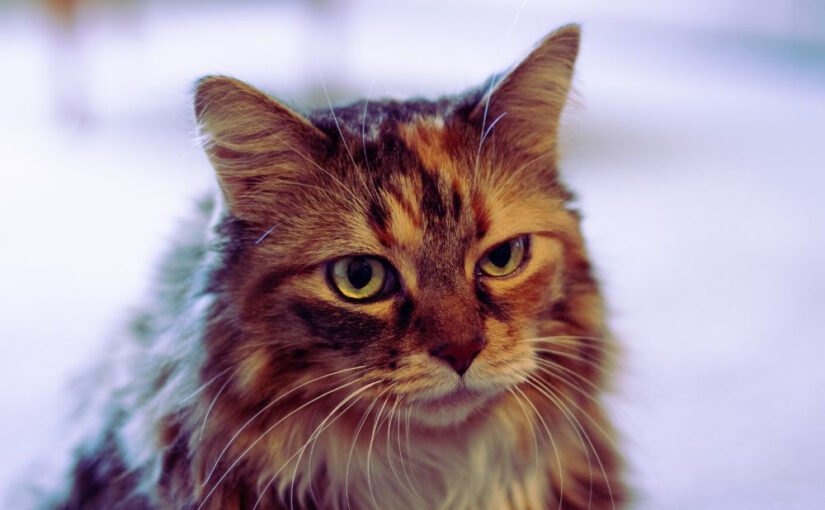
Fostering a senior cat is more than just an act of kindness—it’s a life-changing experience filled with quiet joys, tender moments, and deep connection. With an increasing number of older cats ending up in shelters because of health problems or the absence of their lifelong owners, foster caregivers play an essential part in providing these feline friends with comfort and respect in their later years. If you’ve ever considered opening your heart and home to an older kitty, fostering a senior cat may be one of the most rewarding decisions you’ll ever make.
Why Senior Cats Need Foster Homes
Unlike kittens who often get adopted quickly, senior cats are frequently overlooked in shelters. Yet they’re often already litter-trained, calm, and crave human companionship. Sadly, some of these cats are surrendered simply due to age, illness, or their owners’ changing circumstances. Shelters can be overwhelming for older cats, especially those dealing with arthritis, dental disease, or reduced vision.
Fostering a senior cat gives them a peaceful, loving environment to decompress and receive personalized care. Whether it’s for hospice, recovery from surgery, or simply waiting for adoption, your home can be a sanctuary that makes all the difference.
Benefits of Fostering a Senior Cat
- Unmatched Gratitude: Senior cats often show an incredible level of affection and appreciation.
- Low Energy, High Love: They’re usually more relaxed and require less stimulation than younger cats.
- Shorter Commitment: Depending on the cat’s needs, fostering could last a few weeks to several months.
- Teach Life Lessons: Fostering teaches empathy, patience, and the importance of unconditional love.
How to Prepare Your Home for a Senior Cat
- Create a Quiet Space: Older cats may need time to adjust. A cozy bed, nearby litter box, and accessible food and water bowls are essential.
- Adjust for Mobility: Consider ramps or steps if mobility is an issue. Place items within easy reach to avoid unnecessary jumping.
- Stay on Top of Health Needs: Work closely with your rescue organization to manage any medication, special diets, or vet appointments.
- Offer Gentle Interaction: Let the cat come to you. Older cats may take time to trust, but once they do, the bond can be profound.
The Emotional Rewards of Fostering
Yes, saying goodbye can be difficult—but the love and comfort you provide during this chapter of a cat’s life are invaluable. Many foster parents say the experience, while emotional, is overwhelmingly fulfilling.
Each senior cat you foster may come with a story, but you get to help write the ending—a story filled with love, safety, and peace. Whether they’re with you for weeks or years, you’re giving them what matters most.
Quick Guide: What to Expect When Fostering a Senior Cat
| Aspect | What to Expect |
|---|---|
| Temperament | Calm, affectionate, and grateful. Often enjoy quiet companionship. |
| Activity Level | Lower energy; prefer naps and gentle play. |
| Medical Needs | May require medications, special diets, or regular vet checkups. |
| Supplies to Prepare | Soft bedding, accessible litter box, food/water bowls, ramps or stairs if needed. |
| Emotional Impact | Deeply rewarding, though saying goodbye can be emotional. |
| Time Commitment | Varies—can range from a few weeks to permanent foster care. |
| Best Environment | Quiet, stable home with a gentle routine and lots of love. |
Conclusion: Love That Lasts a Lifetime
Fostering a senior cat isn’t just about helping an animal in need—it’s about giving the kind of love that leaves a lasting impact. It’s about dignity, warmth, and being there when they need you most. In return, these graceful companions often offer the deepest love you’ll ever know. So if you’re ready to be a quiet hero in a cat’s final chapter, open your heart—you might just find it changed forever.
Frequently Asked Questions (FAQ)
Fostering is typically a temporary commitment, offering a safe and loving home until the cat is adopted or reaches the end of its life. Adoption is permanent. Foster families provide care without long-term responsibility, often supported by rescue organizations with supplies and medical coverage.
Yes, but it can take time. Senior cats often need a quiet space to adjust and may be more sensitive to changes. With patience and a stable routine, most older cats settle in and show affection once they feel safe.
Not necessarily. While they may have age-related health needs, senior cats are typically calmer, already litter-trained, and less destructive. Their care often involves gentle handling, regular vet visits, and close attention to their comfort.
Common costs include food, litter, vet visits, and medications. However, many foster programs cover medical expenses and provide supplies, reducing financial strain on foster families.
Watch for signs like reduced appetite, hiding, limping, vocalizing, or changes in grooming habits. Senior cats are experts at concealing discomfort, making it essential to have regular veterinary visits and to notice slight changes in their behavior.