
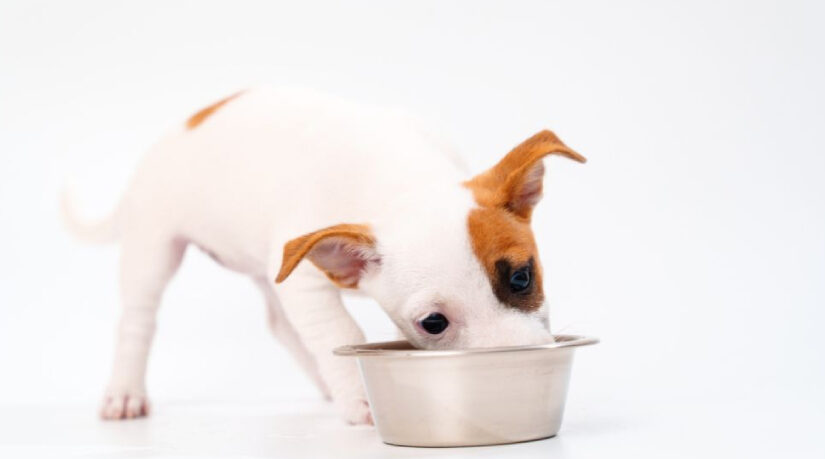
Bringing home a new puppy is exciting—but it also comes with a lot of questions about care and nutrition. One of the most common questions new pet parents ask is how often should you feed a puppy. Puppies grow quickly and have different nutritional needs than adult dogs, so understanding the proper feeding schedule for their age is key to their health and development.
Why Feeding Frequency Matters
Despite having small tummies, puppies require a lot of energy. Growth can be hampered by inadequate or infrequent feeding, while obesity might result from over feeding. A consistent feeding schedule helps regulate digestion, supports healthy metabolism, and sets good eating habits for adulthood.
Puppy Feeding Schedule by Age
0–6 Weeks: Nursing Stage
Newborn puppies should nurse from their mother about every two hours. If the mother isn’t available, a vet-approved puppy milk replacer should be offered on a similar schedule. At this stage, their nutritional needs are met entirely by milk.
6–8 Weeks: Weaning Stage
Around six weeks, puppies start transitioning to solid food. Combine premium puppy food with warm water or puppy formula to create a smooth gruel. Feed them 3–4 times per day as they learn to eat independently.
2–3 Months: Early Puppyhood
At this stage, most puppies are fully weaned. They should eat four small meals a day to maintain steady energy and support rapid growth. Remember, when asking how often should you feed a puppy at this age, the answer is “little and often.”
3–6 Months: Growing Stage
As your puppy grows, you can reduce feedings to three times daily. Choose a puppy food rich in protein, fat, and essential nutrients to fuel muscle and bone development. Avoid overfeeding—stick to portion guidelines on your food label.
6–12 Months: Adolescent Stage
By six months, most puppies can switch to two meals per day. Small breeds may need more frequent meals, while large breeds may do well with fewer, slightly larger portions. Always monitor your dog’s weight and adjust portions as needed.
1 Year and Older: Adult Transition
When your puppy reaches adulthood (around 12 months, or up to 18–24 months for large breeds), you can transition to adult dog food and maintain two meals per day.
Tips for Feeding Your Puppy
- Stick to a routine: Feed at the same times every day.
- Measure portions: Avoid free feeding to prevent overeating.
- Provide fresh water: Hydration is just as important as food.
- Monitor growth: Consult your vet if your puppy is under- or overweight.
- Use treats wisely: Treats should make up no more than 10% of daily calories.
Feeding Chart: How Often Should You Feed a Puppy
| Puppy Age Range | Feeding Frequency | Food Type / Notes |
|---|---|---|
| 0–6 weeks | Every 2–3 hours | Mother’s milk or puppy milk replacer |
| 6–8 weeks | 3–4 times per day | Softened puppy food (gruel) during weaning |
| 2–3 months | 4 times per day | High-quality puppy kibble or wet food |
| 3–6 months | 3 times per day | Regular puppy food with balanced nutrients |
| 6–12 months | 2–3 times per day | Adjust portions based on breed and size |
| 12+ months (Adult) | 2 times per day | Transition to adult dog food |
Conclusion
Knowing how often should you feed a puppy is one of the most important parts of responsible pet ownership. Following an age-appropriate feeding schedule ensures your puppy gets the nutrients and energy they need to grow into a strong, healthy adult dog. Always seek advice from your veterinarian for tailored feeding guidelines that consider your puppy’s breed, size, and level of activity.
Frequently Asked Questions (FAQ)
Young puppies do best on high-quality puppy food that’s specifically formulated for growth. Look for food with real meat as the first ingredient, balanced with healthy fats, calcium, and DHA for brain development. Avoid adult dog food, as it doesn’t provide the nutrients puppies need.
Yes, but treats should make up no more than 10% of your puppy’s daily calorie intake. Use small, soft training treats and avoid giving human foods that can be harmful, such as chocolate, onions, or grapes.
The majority of puppies are able to switch to adult food when they reach between 12 and 18 months of age, which is influenced by their breed size. Small breeds mature faster and can switch earlier, while large or giant breeds may need puppy food for a longer period.
Free-feeding isn’t recommended for most puppies. Scheduled mealtimes help with portion control, prevent overeating, and make house training easier. Always remove uneaten food after 20–30 minutes.
A healthy puppy should have steady weight gain, visible energy, and a shiny coat. If you can feel but not see your puppy’s ribs, their weight is likely ideal. If they seem lethargic or lose weight, consult your vet for a feeding adjustment.