
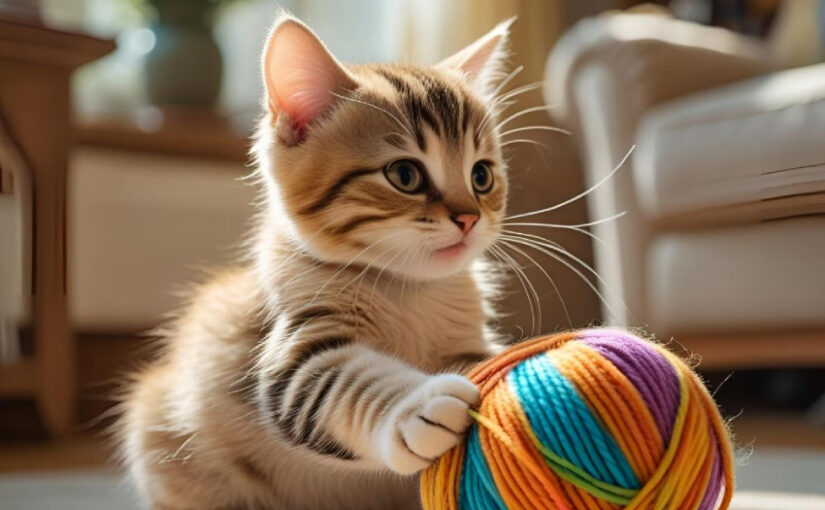
Watching a kitten grow is one of the most heartwarming experiences for any cat lover. From their first wobbly steps to their playful pounces, each stage of development is full of wonder. Understanding the kitten growth timeline helps you provide the best care, nutrition, and love as your furry friend grows into a confident adult cat.
Week 1–2: Newborn Kittens (Blind, Deaf, and Helpless)
During the first two weeks, kittens are entirely dependent on their mother. Their eyes and ears are sealed shut, and they spend most of their time sleeping or nursing. The mother cat stimulates them to eliminate waste and keeps them warm.
At this stage of the kitten growth timeline, their weight should double by the end of week two—a great sign they’re healthy and thriving.
Week 3–4: Eyes Open and Ears Perk Up
By week three, kittens begin to open their eyes, revealing those beautiful blue hues. Their hearing also improves, and they start responding to sounds. They may attempt to stand or take their first wobbly steps, exploring their surroundings for the first time.
Socialization starts here—gentle handling and soft talking help them feel comfortable around humans early on.
Week 5–6: Learning to Play and Eat Solid Food
Kittens become more curious and playful during this period. They begin grooming themselves, interacting with their littermates, and developing coordination. Around week five, they can start eating soft kitten food alongside nursing.
This is an exciting phase in the kitten growth timeline, as personality traits begin to show and their playful instincts truly emerge.
Week 7–9: Social Skills and Independence
Between seven and nine weeks, kittens are active explorers. They learn essential cat behaviors such as hunting, climbing, and using the litter box. It’s also the ideal time to introduce them to new people, pets, and household sounds to build confidence.
Week 10–12: Ready for Their Forever Home
By 10 to 12 weeks, kittens are typically weaned from their mother and have learned most social and physical skills. They’re ready for adoption—healthy, playful, and full of energy! A veterinarian check-up at this point ensures vaccinations and deworming are up to date.
4–6 Months: The Adolescent Stage
Your kitten may start testing boundaries, much like a teenager! Expect bursts of energy and lots of climbing and pouncing. Spaying or neutering is recommended around this time to prevent unwanted behaviors and health issues.
6–12 Months: Growing into Adulthood
As your cat approaches their first birthday, they’ll continue to fill out and gain muscle. Their coat develops its adult texture, and their personality stabilizes. With proper nutrition and love, your once-tiny kitten transforms into a graceful adult cat.
Kitten Growth Timeline Overview Table
| Age Range | Development Milestones | Key Care Tips |
|---|---|---|
| 0–2 weeks | Eyes and ears closed; relies fully on mother | Keep warm, ensure nursing, avoid handling too much |
| 3–4 weeks | Eyes open, hearing improves, starts walking | Begin gentle socialization, provide safe exploration space |
| 5–6 weeks | Starts eating solids, active play begins | Offer soft kitten food, provide toys for stimulation |
| 7–9 weeks | Learns litter box use, builds confidence | Encourage social play, introduce new people and sounds |
| 10–12 weeks | Fully weaned, ready for adoption | Schedule vet check-up, continue socialization |
| 4–6 months | Energetic and curious adolescent | Consider spay/neuter, reinforce positive behavior |
| 6–12 months | Near-adult size, stable personality | Maintain balanced diet, regular vet visits |
Conclusion
Every phase of the kitten growth timeline is precious, from those first tiny mews to confident leaps across the room. By understanding each stage, you can provide the best care and enjoy the magical journey of watching your kitten grow into a healthy, happy cat.
Frequently Asked Questions (FAQ)
Kittens should stay with their mother until they are at least 10–12 weeks old. This gives them time to develop strong immune systems, learn social behaviors, and transition smoothly to solid food.
Most kittens begin showing interest in solid food around 4 to 5 weeks of age. Begin by providing a gentle, moist kitten food or dampened dry kibble to aid in their gradual adjustment.
Kittens usually begin learning to use the litter box between 3 and 4 weeks old. Their mother often demonstrates the behavior, but gentle guidance from you helps reinforce it.
A kitten’s first vet visit should happen around 6 to 8 weeks of age. In this appointment, your veterinarian will look for parasites, initiate vaccinations, and talk about appropriate nutrition and care.
Early socialization is key. Spend time gently handling your kitten, introducing them to different sounds, toys, and people. Positive experiences during the first 12 weeks help them grow into a friendly, confident adult cat.