
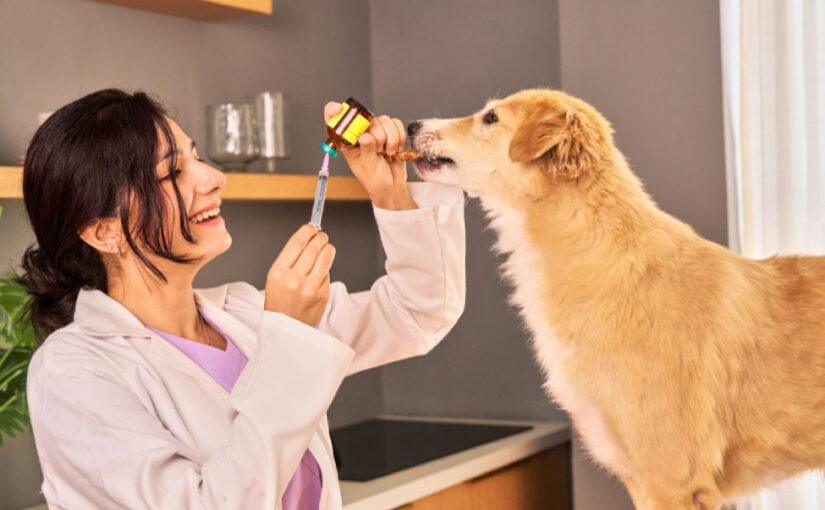
Ensuring your pet’s health and safety starts with understanding the must have vaccines for dogs. Vaccinations protect dogs from dangerous and sometimes fatal diseases, helping them live long and happy lives. Whether you’re a novice pet owner or just need a refresher, knowing which immunizations are required will help you make informed decisions about your dog’s health.
Why Vaccines Are Essential for Dogs
Vaccinations play a crucial role in safeguarding your dog against infectious diseases! They activate your dog’s immune system, enabling it to fight off harmful pathogens effectively. Without proper vaccination, dogs become vulnerable to severe diseases like parvovirus, rabies, and distemper, which can threaten their lives. Therefore, understanding the must have vaccines for dogs is essential for every responsible pet owner.
The Must-Have Vaccines for Dogs
1. Rabies Vaccine
Rabies is a lethal virus that affects the nervous system and can spread to humans. You must vaccinate your dog against rabies—not only to protect them but also because many regions legally require it. Veterinarians typically administer the rabies vaccine first between 12 and 16 weeks of age, followed by regular boosters as recommended.
2. Distemper Vaccine
Canine distemper is a viral illness that spreads easily and attacks a dog’s respiratory, digestive, and nervous systems. Most vets administer the distemper vaccine combined with others in the DHPP shot, which protects your dog against multiple diseases at once.
3. Parvovirus Vaccine
Parvovirus is a serious and often fatal illness that mainly targets young dogs. It causes severe vomiting and diarrhea, which can lead to dehydration and death if left untreated. The parvovirus vaccine, included in the DHPP combination, plays a critical role in keeping your dog safe.
4. Adenovirus (Canine Hepatitis) Vaccine
Adenovirus causes infectious canine hepatitis, leading to liver damage, fever, and sometimes death. Fortunately, this vaccine also comes as part of the DHPP combination, protecting your dog from this dangerous disease.
5. Bordetella Vaccine (Kennel Cough)
Dogs that frequent kennels, dog parks, or daycare centers often contract kennel cough, a highly contagious respiratory infection. The Bordetella vaccine helps prevent this uncomfortable and sometimes serious condition.
Optional Vaccines Based on Lifestyle
Depending on your dog’s activity level and where you live, your veterinarian may suggest extra vaccinations such as Lyme disease, Leptospirosis, or Canine Influenza. Therefore, talk to your veterinarian about these options to guarantee your dog’s safety.
How Often Should Dogs Be Vaccinated?
Puppies typically require a series of vaccinations starting at six to eight weeks of age. Then, they need additional boosters every three to four weeks until around 16 weeks old. Adult dogs usually require boosters every one to three years, depending on the vaccine and your veterinarian’s advice.
Summary Table: Must-Have Vaccines for Dogs
| Vaccine | Disease Prevented | Typical Vaccination Schedule | Notes |
|---|---|---|---|
| Rabies | Rabies | First dose: 12-16 weeks; boosters as required | Legally required in many areas |
| Distemper (DHPP combo) | Distemper, Parvovirus, Adenovirus | Series starting at 6-8 weeks; boosters until 16 weeks; then every 1-3 years | Protects against multiple diseases |
| Parvovirus (DHPP combo) | Parvovirus | Included in DHPP schedule | Critical for puppy health |
| Adenovirus (DHPP combo) | Infectious canine hepatitis | Included in DHPP schedule | Prevents liver disease |
| Bordetella | Kennel cough | Annual or semi-annual depending on exposure | Recommended for social dogs |
| Optional Vaccines | Lyme, Leptospirosis, Influenza | Based on lifestyle and region | Consult your veterinarian |
Conclusion
In conclusion, knowing the must have vaccines for dogs is vital to protect your pet’s health. Vaccinations not only shield your dog but also help prevent the spread of contagious diseases to other animals and humans. Therefore, never skip these essential shots—regular vaccinations remain a cornerstone of responsible pet ownership. Finally, consult your veterinarian to develop a vaccination plan tailored to your dog’s specific needs and lifestyle.
Frequently Asked Questions (FAQ)
Puppies usually need to begin their vaccinations between 6 to 8 weeks of age. These usually include vaccines for distemper, parvovirus, adenovirus, and rabies, with booster shots given every few weeks until about 16 weeks of age.
Adult dogs generally need booster shots every one to three years, depending on the vaccine and their risk of exposure. Your veterinarian can recommend the best schedule based on your dog’s health and lifestyle.
Not all vaccines are legally required. For example, rabies vaccination is mandatory in many regions, but others like Bordetella or Lyme disease vaccines depend on your dog’s lifestyle and local disease prevalence.
Most dogs tolerate vaccines well, but some may experience mild side effects like soreness, fatigue, or mild fever. Serious reactions are rare but require immediate veterinary attention.
Additional vaccines might be necessary depending on your dog’s activities and environment. Dogs that frequently visit kennels, dog parks, or areas with tick exposure may need vaccines that protect against kennel cough, Lyme disease, or leptospirosis.