
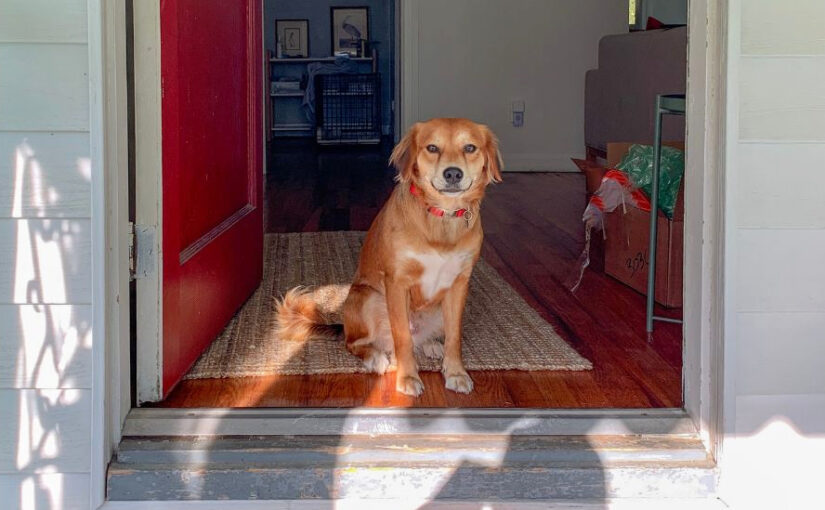
Welcoming a new dog into your home is an exciting and rewarding experience; however, it can also be overwhelming, particularly for first-time pet owners. Whether you’re adopting a puppy, a senior dog, or rescuing a pet from a shelter, how you introduce them to your home can shape their comfort, behavior, and relationship with you for years to come.
Here’s a step-by-step guide to help make your dog’s transition smooth, safe, and stress-free.
1. Prepare Your Home in Advance
Before your new furry friend arrives, make sure your home is dog-ready:
- Create a designated space, such as a crate, dog bed, or cozy corner, where your dog can retreat and feel secure.
- Dog-proof your space by removing items that could be chewed, ingested, or knocked over.
- Stock up on supplies such as food, water bowls, toys, a leash, a collar, ID tags, and grooming tools.
Having everything in place ahead of time reduces stress for both you and your new companion.
2. Start with a Calm Introduction
When your dog first arrives:
- Keep greetings low-key. Avoid using loud voices and excessive excitement.
- Let them explore at their own pace—sniffing and observing is how dogs gather information.
- Use a leash if necessary, especially in large homes or if you have other pets or children.
The goal is to help your dog feel safe and unpressured in their new environment.
3. Establish a Routine Quickly
Dogs thrive on routine. Start from day one by:
- Feeding at consistent times.
- Taking walks on a schedule.
- Establishing potty times and locations.
- Setting boundaries (like off-limits furniture or rooms).
A predictable routine builds trust and helps your dog understand what’s expected of them.
4. Introduce Other Pets Carefully
If you already have pets, take introductions slowly:
- Use neutral territory for first meetings, like a backyard or nearby park.
- Keep both animals leashed and allow them to sniff each other.
- Watch for body language—look for signs of stress, fear, or aggression.
- Gradually increase time spent together under supervision.
Patience is key; it may take days or even weeks for pets to fully adjust to one another.
5. Let Your Dog Decompress
Don’t rush socialization. New dogs often go through a “decompression” period—a few days to a few weeks where they adjust to their new environment.
During this time:
- Limit visitors and outings.
- Avoid overwhelming them with too many toys or commands.
- Focus on building trust with calm interactions and positive reinforcement.
Let them set the pace. Once they feel secure, their personality will begin to shine through.
6. Begin Basic Training Early
Even if your new dog has had previous training, it’s wise to start from scratch:
- Teach basic commands such as “sit,” “stay,” “come,” and “leave it.”
- Use positive reinforcement (treats, praise, play).
- Keep sessions short, consistent, and fun.
Training enhances your bond with your dog and helps them feel confident and engaged.
7. Visit the Veterinarian
Schedule a check-up within the first week:
- Ensure vaccinations and flea/tick preventatives are up to date.
- Discuss diet, exercise needs, and spaying/neutering (if not already done).
- Microchip or update ID tags with your contact information.
A clean bill of health ensures your dog starts their new life on the right paw.
Quick Reference Table: Introducing a New Dog to Your Home
| Step | What to Do | Why It Matters |
|---|---|---|
| 1. Prepare Your Home | Set up a safe space, dog-proof the area, gather supplies. | Reduces stress and creates a secure, welcoming environment. |
| 2. Calm Introduction | Keep greetings low-key; let them explore slowly. | Helps the dog feel safe and begin to trust their new surroundings. |
| 3. Establish a Routine | Feed, walk, and potty on a consistent schedule. | Builds trust and provides structure for your dog to thrive. |
| 4. Introduce Pets Slowly | Meet on neutral ground, monitor body language, go slow. | Prevents conflicts and eases the transition with existing pets. |
| 5. Allow Decompression Time | Limit stimulation, go at the dog’s pace, keep things calm. | Gives your dog space to adjust emotionally and mentally. |
| 6. Begin Basic Training | Start with simple commands using positive reinforcement. | Builds confidence, communication, and strengthens your bond. |
| 7. Visit the Vet | Schedule a check-up, update vaccines and ID info. | Ensures your dog’s health and safety from day one. |
Final Thoughts
Bringing a dog or puppy home is more than just opening your door—it’s opening your life to a new family member. By preparing properly, remaining patient, and nurturing a stable routine, you set the stage for a strong bond and a happy, healthy relationship.
Remember: every dog is different. Some will adjust in hours; others may take weeks. The key is consistency, kindness, and understanding. With time and love, your new dog will feel right at home.
Frequently Asked Questions (FAQ)
Every dog is different, but most will begin to settle within a few weeks. Some dogs may feel comfortable after just a few days, while others take a few months to adjust fully. Patience and consistency are essential during this transition.
It’s best to introduce your dog to the home gradually. Limiting their space at first helps prevent accidents, reduces stress, and gives them time to feel safe in their new environment.
A lack of appetite or signs of anxiety are common in the first few days. Keep things calm and give them time to adjust. If the behavior persists for more than a few days, consult a veterinarian to eliminate any potential health issues.
It’s best to minimize alone time during the first week to help build trust and reduce anxiety. Gradually work up to more extended periods alone once your dog feels more secure in their new home.
Carefully observe their interactions, especially body language and behavior. A peaceful coexistence may take time, and it’s essential to supervise all initial encounters closely. If conflicts arise, seek advice from a professional trainer or behaviorist.