
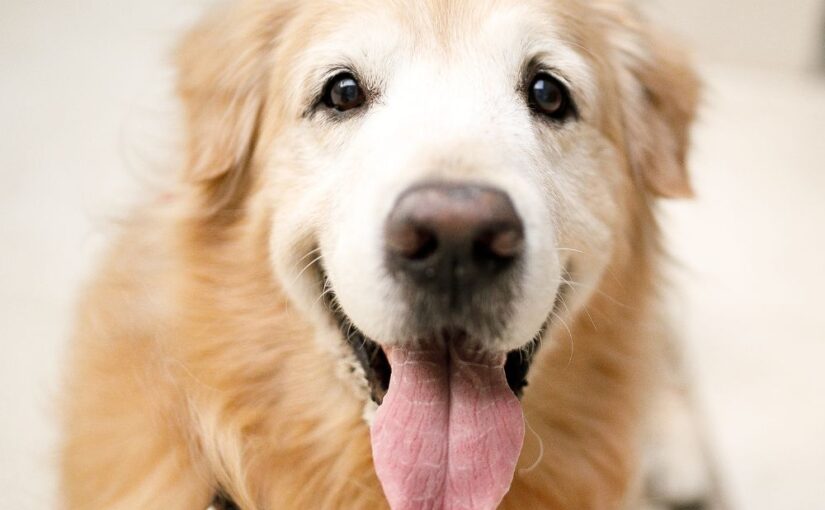
As dogs get older, their dietary needs change. A senior dog often has a slower metabolism and reduced energy levels, and may develop health issues like arthritis or dental problems. It’s essential to choose the right food to help your aging companion stay active, happy, and healthy throughout their golden years.
Understanding the Nutritional Needs of a Senior Dog
A senior dog typically requires fewer calories but more high-quality nutrients. Protein becomes more crucial than ever in maintaining muscle mass and supporting organ function. At the same time, fat content should be balanced to prevent unhealthy weight gain.
Key nutrients to look for in senior dog food include:
- High-quality protein (like chicken, fish, or turkey)
- Omega-3 fatty acids (for both brain and joint health)
- Antioxidants (to support the immune system)
- Fiber (for digestive health)
- Glucosamine and chondroitin (to support joint mobility)
Best Types of Food for Senior Dogs
There’s no one-size-fits-all diet for older pets, but these food types are often recommended:
1. Dry Kibble Formulated for Senior Dogs
Dry food is excellent for dental health, and many brands offer kibble specifically for older dogs. Look for options labeled “senior” or “mature” that include added nutrients, such as glucosamine.
2. Wet Food for Dogs with Dental Issues
If your senior dog has trouble chewing or shows signs of dental discomfort, wet food can be a softer and more palatable option. Just make sure it’s balanced and not too high in fat.
3. Homemade Dog Food
For owners who prefer complete control over their dog’s diet, homemade diets can be tailored to meet their dog’s specific needs. Always consult a veterinarian or canine nutritionist to ensure that your recipe meets all the nutritional needs of a senior dog.
4. Veterinary-Prescribed Diets
For dogs with chronic health issues like kidney disease or diabetes, specialized diets prescribed by your vet are often necessary. These foods are formulated to manage specific conditions while supporting overall health.
Feeding Tips for Senior Dogs
- Regular vet checkups: Monitor your dog’s weight, mobility, and overall health to adjust their diet as needed.
- Portion control: Overfeeding can result in obesity, which can exacerbate joint and heart problems.
- Encourage hydration: Senior dogs are prone to dehydration, so ensure fresh water is always available.
- Supplements: After consulting with your veterinarian, consider adding supplements like fish oil or probiotics.
Recommended Food Options for a Senior Dog
| Food Type | Key Benefits | Best For |
|---|---|---|
| Dry Kibble (Senior Formula) | Supports dental health, balanced nutrients, added joint support | Most healthy senior dogs |
| Wet Food | Easier to chew, higher moisture content | Dogs with dental issues or reduced appetite |
| Homemade Food | Fully customizable, fresh ingredients | Dogs with allergies or picky eaters (vet guidance recommended) |
| Veterinary-Prescribed Diets | Targets specific medical conditions, clinically formulated | Dogs with chronic health issues |
| High-Protein, Low-Calorie Options | Maintains muscle, controls weight | Overweight or less active senior dogs |
Conclusion
Feeding your senior dog the appropriate food can greatly enhance their quality of life. Whether you choose commercial senior formulas, wet food, or homemade meals, the goal is to meet their changing nutritional needs and keep them feeling their best. With thoughtful diet choices and regular care, your loyal companion can enjoy their golden years with health and vitality.
Frequently Asked Questions (FAQ)
Most dogs are considered older around age 7, but this varies by breed and size. Larger breeds may reach this stage by 5 or 6, while smaller breeds might not show signs of aging until 8 or 9.
They can, but it may not meet all their changing nutritional needs. Specialized formulas typically have fewer calories, more joint-supporting nutrients, and are easier to digest.
Twice a day is usually ideal, but consult your vet based on your pet’s weight, activity level, and any medical conditions.
Supplements like glucosamine, omega-3s, and probiotics can be beneficial, especially for joint health, digestion, and coat condition. However, it’s best to use them under veterinary guidance.
Watch for indicators such as fluctuations in weight, reduced energy levels, gastrointestinal problems, or variations in coat condition. These may indicate it’s time to adjust their nutrition.