
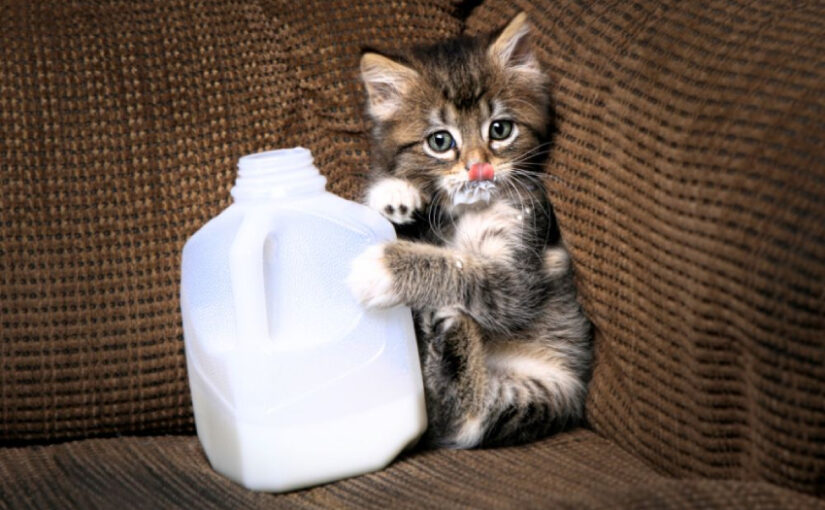
For generations, we’ve seen cartoons and books showing happy cats lapping up bowls of creamy milk — but should cats drink milk in real life? The truth may surprise you. While milk seems like a harmless treat, it can actually cause more harm than good for most adult cats. In this article, we’ll separate myths from facts to help you understand what’s really best for your feline friend.
Myth 1: Cats Love Milk — So It Must Be Good for Them
It’s true that many cats like the taste of milk. The fat and protein content make it tempting. However, just because a cat enjoys milk doesn’t mean it’s healthy. Most adult cats are lactose intolerant, meaning their digestive systems can’t properly process lactose, the sugar found in milk. After weaning, cats naturally lose the enzyme lactase, which is needed to digest milk.
When lactose-intolerant cats drink milk, it can lead to symptoms such as:
- Diarrhea
- Gas and bloating
- Stomach cramps
- Dehydration
So while your cat might seem to enjoy it in the moment, the aftereffects can be unpleasant and unhealthy.
Fact: Kittens Can Digest Milk — But Only Temporarily
When kittens are nursing, their bodies produce enough lactase to digest their mother’s milk. However, once they transition to solid food (around 8–10 weeks of age), their ability to process lactose diminishes significantly. At this stage, even kittens should not be given cow’s milk or dairy products meant for humans.
If you’re caring for an orphaned kitten, use a specially formulated kitten milk replacer (KMR), not regular milk. These formulas are designed to provide the right nutrients without upsetting your kitten’s stomach.
Myth 2: A Little Milk Now and Then Is Fine
You might wonder, “If my cat doesn’t seem to get sick, maybe a small amount is okay?” The answer depends on your individual cat. Some cats can tolerate tiny amounts of lactose-free milk or cream occasionally, but it’s not nutritionally necessary.
There are also cat-safe milk alternatives available in pet stores that are lactose-free and fortified with vitamins. These can be offered as a rare treat — but fresh water should always be your cat’s main drink.
Fact: Water Is the Best Drink for Cats
Cats naturally have a low thirst drive because their ancestors got most of their moisture from prey. Still, hydration is essential for kidney health and overall well-being. Encourage your cat to drink more water by using a cat fountain or adding wet food to their diet.
Remember: should cats drink milk every day? Absolutely not. Clean, fresh water is always the healthiest choice.
Comparison Table: Can Cats Safely Drink Milk?
| Type of Milk | Safe for Cats? | Why or Why Not | Recommended Amount |
|---|---|---|---|
| Cow’s Milk | ❌ No | Most cats are lactose intolerant; can cause diarrhea and stomach upset. | None |
| Goat’s Milk | ⚠️ Occasionally | Lower in lactose but still may cause digestive issues. | A few teaspoons as a rare treat (if tolerated) |
| Lactose-Free Cat Milk | ✅ Yes | Specially formulated for cats; easier to digest and nutritionally balanced. | Small serving as an occasional treat |
| Kitten Formula (KMR) | ✅ Yes (for kittens only) | Designed to mimic mother’s milk; safe for nursing kittens. | As directed by the product label |
| Plant-Based Milks (Almond, Soy, Oat, etc.) | ❌ No | Can contain harmful additives and lack necessary nutrients. | None |
| Water | ✅✅ Always | Best source of hydration; essential for kidney health and overall well-being. | Unlimited access daily |
Conclusion
So, should cats drink milk? The answer is no — at least, not regular cow’s milk. The majority of grown cats cannot properly digest lactose, so offering them milk may lead to gastrointestinal issues instead of enjoyment. While cat-safe milk alternatives exist, they should be given sparingly and never replace water or a balanced diet.
In short, the classic image of a cat with a bowl of milk is more myth than fact. Your kitty will be much happier — and healthier — with plenty of water, proper nutrition, and your love.
Frequently Asked Questions (FAQ)
If a cat consumes regular cow’s milk, it could face digestive issues like diarrhea, gas, or bloating. This happens because most adult cats are lactose intolerant and can’t properly digest the sugars in milk.
No, kittens should not drink store-bought milk. They need specially formulated kitten milk replacer (KMR), which provides essential nutrients and is safe for their developing digestive systems.
Cats are drawn to milk because of its high fat and protein content, which smells and tastes appealing to them. However, enjoyment doesn’t equal safety — even though they like it, it’s not good for their health.
Lactose-free milks made specifically for cats are safe as an occasional treat. However, lactose-free milks made for humans can still contain additives or sugars that aren’t suitable for feline digestion.
Fresh, clean water is the best and most important drink for cats. It supports kidney function, aids digestion, and keeps your cat healthy. Encouraging water intake through fountains or wet food can also help.