
Bringing home your first cat is an exciting experience, but it also comes with responsibilities. From meals to litter containers and play items, being adequately equipped guarantees an effortless adjustment for both you and your new cat companion. In this guide, we’ll explore the things to get for your first cat so that you can start your journey as a cat parent on the right paw.
1. Cat Food and Water Bowls
Start with the basics—your kitty will need high-quality wet or dry food tailored to their age and health needs. Stainless steel and ceramic bowls are fantastic choices! They’re easy to clean and significantly reduce the risk of bacteria compared to plastic. Happy eating!
Tip: Consider a water fountain. Felines are instinctively attracted to flowing water, which can aid in their hydration.
2. Litter Box and Cat Litter
No list of things to get for your first cat is complete without a litter box. Choose one that’s large enough for your kitty to turn around comfortably. You’ll also need litter (clumping is easiest to clean), a scoop, and a mat to catch stray particles.
Bonus: Covered litter boxes offer more privacy, but some cats prefer open ones. Test and see what your cat likes best.
3. Cat Bed and Safe Sleeping Areas
Cats sleep 12–16 hours a day, so a cozy bed is a must. Place it in a quiet, draft-free area. Some cats prefer elevated spots or heated beds—again, comfort and safety are key.
4. Scratching Posts and Pads
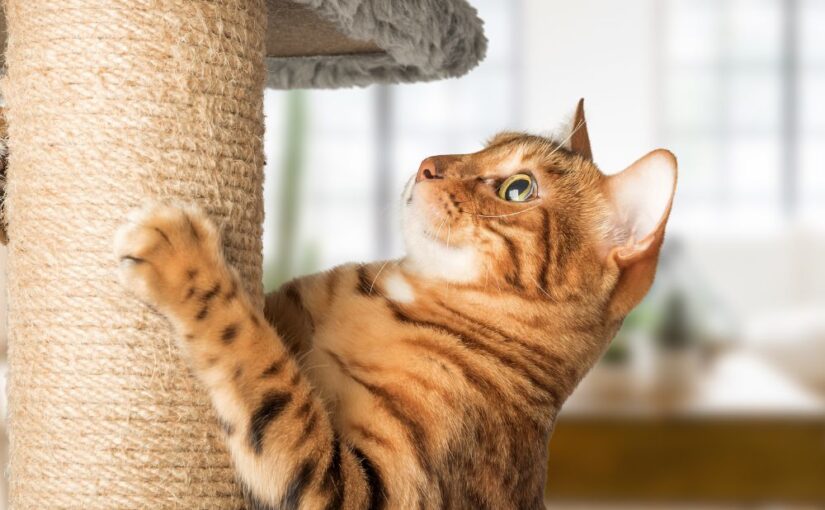
To protect your furniture, invest in several scratching options. Cats inherently need to scratch, as it aids in maintaining the health of their claws and alleviates stress.
Try this: Use vertical scratching posts for stretching and horizontal pads for variety.
5. Toys and Enrichment
Toys that capture your cat’s attention, like feather wands, laser pointers, and treat puzzles, help keep your pet mentally and physically stimulated.Additionally, playtime fosters a deeper connection between you and your feline friend.
6. Carrier for Vet Visits
A durable, well-aerated cat carrier is crucial for secure travel. Get your pet used to the carrier early by leaving it out with soft bedding and treats inside.
7. Grooming Tools
Depending on your cat’s coat length, grooming tools like brushes, nail clippers, and pet-safe wipes will help keep them clean and healthy.
Short-haired cats require less grooming, but regular brushing still helps reduce shedding and the formation of hairballs.
8. Identification and Microchip
Even indoor cats can slip outside. A breakaway collar featuring an ID tag and a microchip greatly enhances the likelihood of reuniting with your kitty if it becomes lost.
New Feline Checklist
| Category | Essential Item | Notes/Tips |
|---|---|---|
| Feeding | Food & Water Bowls | Use stainless steel or ceramic; consider a fountain |
| High-Quality Cat Food | Choose based on age and health | |
| Litter | Litter Box | At least one per cat; consider open vs. covered |
| Cat Litter & Scoop | Clumping is easiest to clean | |
| Litter Mat | Helps reduce mess around the box | |
| Sleeping | Cat Bed | Place in a quiet, cozy spot |
| Scratching | Scratching Post/Pad | Offer both vertical and horizontal options |
| Toys & Enrichment | Interactive Toys | Rotate toys to keep them interesting |
| Puzzle Feeders | Great for mental stimulation | |
| Transport | Cat Carrier | Soft or hard shell; well-ventilated |
| Grooming | Brush/Nail Clippers | Choose grooming tools based on coat type |
| Safety | Breakaway Collar + ID Tag | Always use a breakaway style for safety |
| Microchip | Ask your vet during your first visit |
Conclusion
Getting a new kitty is a joyful experience, but preparation is key to ensuring a happy and healthy life for your new pet. From food and litter boxes to toys and scratching posts, these are just some of the essential things to get for your first cat. By providing the right supplies and environment, you’ll create a safe, comfortable, and loving home in which your feline companion will thrive.
Frequently Asked Questions (FAQ)
The most essential items include food and water bowls, quality cat food, a litter box with litter, a scratching post, toys for enrichment, a cat bed, and a carrier. These help meet your cat’s basic needs and ensure a comfortable start in their new home.
Absolutely. Scratching is an instinctive action for cats, and offering a scratching post or pad from the very beginning can help avoid harm to your furniture while also making your kitty feel comfortable in its new environment.
An open, standard-sized litter box is usually best to start with, as it’s easy for your cat to access and for you to clean. As you learn your cat’s preferences, you can upgrade to covered, self-cleaning, or larger options if needed.
Start with 3–5 toys of different types—like interactive toys, balls, and plushies. Rotating toys keeps your pet mentally stimulated and prevents boredom.
Yes. Accidents happen, and indoor cats can slip outside. A microchip significantly enhances the likelihood of reuniting with your cat if it goes missing.