
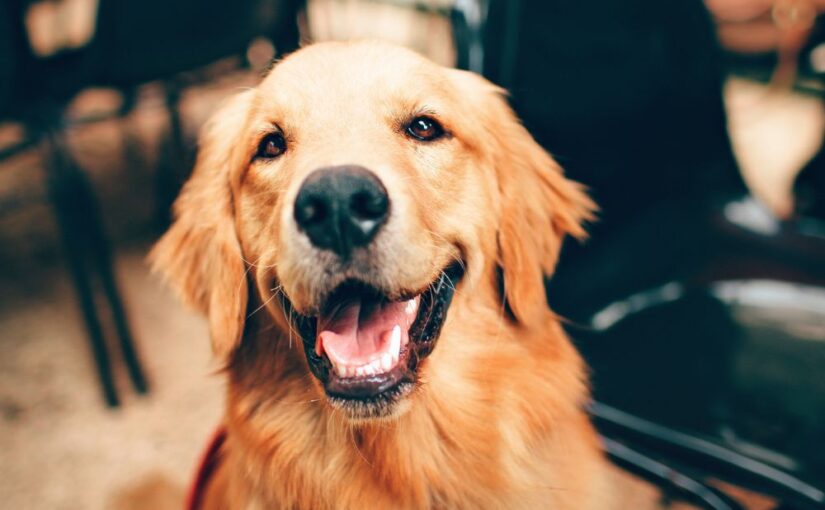
Bringing home your first dog is an exciting and life-changing experience. While most advice focuses on puppies, many first-time dog owners adopt adult or senior dogs—and their needs can be quite different. Whether you’re introducing a rescue dog or one that’s been rehomed, this guide includes all the necessary supplies for your first adult dog, assisting you in establishing a safe, cozy, and nurturing space from the very first day.
1. Properly Fitted Collar & ID Tags
Adult dogs may already be accustomed to wearing collars, but it’s essential to select one that fits appropriately and features up-to-date identification tags. Look for:
- Adjustable collars made from soft, durable material
- ID tags with your dog’s name and up-to-date phone number
- Optional: A microchip for extra security
2. A Sturdy Leash and Harness
Many adult dogs are already leash-trained, but to ensure safety during walks, invest in:
- A 4-6 ft leash (nylon or leather)
- A no-pull harness (great for strong dogs or those who tend to pull)
- Optional: A long training lead for recall practice or safe exploration
3. Comfortable Dog Bed
Unlike puppies who may chew their beds, adult dogs usually appreciate a cozy, supportive place to rest. Look for:
- Orthopedic foam beds for joint support (especially for senior dogs)
- Washable covers for easy cleaning
- A bed sized appropriately to allow them to stretch out fully
4. Quality Food & Feeding Supplies
Fully grown dogs require different dietary requirements compared to puppies. Choose:
- A vet-recommended dog food appropriate for their age, size, and breed
- Stainless steel or ceramic bowls (non-slip is best)
- A slow feeder bowl if your dog eats too quickly
- Optional: Food storage containers to keep kibble fresh
5. Fresh Water Access
Hydration is crucial. Make sure to provide:
- At least one clean water bowl available at all times
- Consider a pet water fountain for dogs that prefer running water
6. Toys for Mental & Physical Stimulation
Adult dogs still love to play! Choose toys that suit their age and temperament:
- Chew toys (durable rubber like KONGs)
- Interactive puzzle toys for mental stimulation
- Fetch toys like balls or frisbees
- Avoid toys meant for teething puppies, as they may be too soft
7. Grooming Supplies
Even short-haired adult dogs require grooming. Start with:
- A dog-specific brush suited to their coat type
- Dog shampoo (gentle and non-toxic)
- Nail clippers or a nail grinder
- Optional: Dog toothbrush and toothpaste
If you have any doubts, consult your veterinarian or a groomer for advice tailored to your dog’s breed or coat type.
8. Crate or Safe Space
Adult dogs may not need crate training, but a crate can still serve as a safe retreat or travel aid:
- Choose a crate that’s large enough for your dog to stand, turn, and lie down comfortably
- Add a soft mat or blanket
- Leave the crate open during the day so your dog can use it voluntarily
9. Waste Management Tools
Keeping your space clean is part of responsible dog ownership:
- Poop bags (biodegradable options available)
- A pooper scooper for your yard
- Enzyme cleaners in case of accidents indoors
10. Basic First Aid Kit
Having a pet first aid kit can help you manage minor issues:
- Gauze, antiseptic wipes, tweezers
- Styptic powder (for nail bleeding)
- Your vet’s emergency contact information
11. Training Tools (Yes, Adult Dogs Learn Too!)
Don’t assume an adult dog doesn’t need training—many still benefit from structure:
- Training treats for positive reinforcement
- A clicker if using clicker training methods
- Consider enrolling in a basic obedience class for adult dogs
12. Travel and Safety Gear
For car rides or outings:
- A dog seatbelt harness or crate for the car
- A travel water bowl
- An extra leash and collar in your car or bag
Bonus: Insurance and Vet Care
Not a physical supply, but just as essential:
- Pet insurance to cover unexpected health costs
- A veterinarian relationship—book an initial wellness check to establish care
Quick Reference Table: Essential Supplies for Your First Adult Dog
| Category | Essential Item(s) | Why It’s Important |
|---|---|---|
| Identification | Collar with ID tag, Microchip | Ensures your dog can be returned if lost |
| Walking Gear | Leash, No-pull harness | Safe and controlled outdoor walks |
| Sleeping Area | Orthopedic or padded dog bed | Supports joints and provides a cozy rest space |
| Feeding Supplies | Food bowls, Adult dog food, Slow feeder (optional) | Promotes healthy digestion and meets dietary needs |
| Water Access | Water bowl or pet fountain | Keeps your dog hydrated all day |
| Toys & Enrichment | Chew toys, Puzzle toys, Fetch toys | Prevents boredom and encourages mental stimulation |
| Grooming Tools | Brush, Shampoo, Nail clippers, Toothbrush (optional) | Maintains hygiene and prevents skin/coat issues |
| Safe Space / Crate | Crate with blanket or mat | Offers comfort and a sense of security |
| Waste Cleanup | Poop bags, Pooper scooper, Enzyme cleaner | Keeps your home and yard clean |
| First Aid | Pet first aid kit, Styptic powder, Vet contact info | For handling minor injuries or emergencies |
| Training Tools | Treats, Clicker, Training leash | Reinforces good behavior and builds trust |
| Travel Gear | Car harness or crate, Travel bowls, Extra leash | Keeps your dog safe and prepared for outings |
Final Thoughts
Welcoming an adult dog into your home is a truly rewarding experience. While they may not need teething toys or potty training pads like puppies, they still require thoughtful care, comfort, and patience. By gathering these crucial supplies, you are establishing the groundwork for a joyful and healthy life together.
Frequently Asked Questions (FAQ)
Before bringing home an adult dog, you’ll need essentials like a properly fitted collar with ID tags, a leash and harness, food and water bowls, a comfortable bed, quality adult dog food, grooming tools, toys, and waste cleanup supplies. These help ensure a smooth and safe transition into their new home
Yes, adult dogs have different needs. For example, they typically don’t need teething toys or potty training pads. Instead, focus on orthopedic beds, enrichment toys, and adult-formula food. They may also benefit more from structured walks and mental stimulation.
Give your dog a quiet, safe space like a crate or designated room. Use a consistent routine for feeding, walks, and bedtime. Provide familiar scents if possible (like a blanket from the shelter), and be patient—adjustment can take several days to weeks.
The best toys for adult dogs depend on their size, breed, and personality. Durable chew toys (like KONGs), interactive puzzle toys, and fetch toys are great options. Avoid soft toys meant for teething puppies, which can break easily and pose a choking risk.
Absolutely. While many adult dogs are house-trained, they still need structure, boundaries, and bonding time. Use positive reinforcement training, reward good behavior with treats or praise, and consider enrolling in an obedience class for adult dogs to strengthen your connection.