
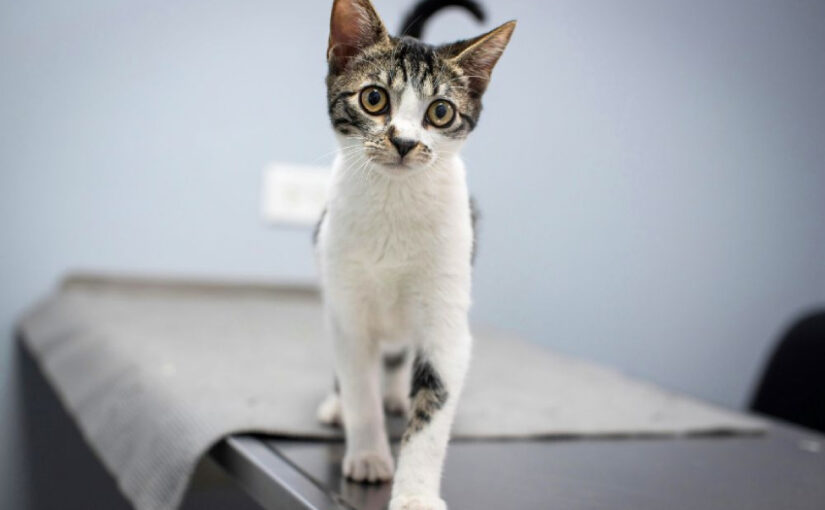
When it comes to maintaining your kitty healthy and happy, understanding the vaccines cats need is one of the most important responsibilities of pet ownership. Vaccines not only protect your cat from serious illnesses but also prevent the spread of infectious diseases within your household and community. Whether you’ve just adopted a kitten or are caring for an older cat, staying on top of vaccinations is essential for their long-term well-being.
Why Vaccinations Are Important for Cats
Cats, like humans, can be exposed to a variety of viruses and bacteria. Certain diseases are highly contagious and may even lead to death if they remain untreated. Vaccinations help your cat’s immune system recognize and fight off these threats before they cause harm. Essential vaccines safeguard against the most prevalent and severe illnesses, whereas non-essential vaccines might be advised depending on your cat’s lifestyle and surroundings.
Core Vaccines Cats Need
Whether a cat lives indoors or out, they should all have a set of core vaccinations. Among them are:
1. Feline Panleukopenia (FPV)
Commonly known as feline distemper, this virus is highly contagious and often fatal. Vaccination offers strong protection and is usually administered in early kittenhood.
2. Feline Herpesvirus (FHV-1) and Calicivirus (FCV)
These viruses cause upper respiratory infections that can lead to chronic issues. The combination vaccine for FHV-1 and FCV is standard in all cats.
3. Rabies
Rabies is a deadly illness that impacts both humans and animals. In addition to being essential for your cat’s health, vaccination is mandated by law in many regions.
Non-Core Vaccines Cats May Need
Depending on your cat’s lifestyle, your vet may recommend additional vaccines cats need for extra protection:
- Feline Leukemia Virus (FeLV): Essential for outdoor cats or those exposed to other felines.
- Bordetella: Helps prevent respiratory infections, especially in multi-cat homes or shelters.
- Chlamydophila felis: Reduces the risk of conjunctivitis and respiratory disease.
Kitten vs. Adult Cat Vaccination Schedules
Between 6 to 8 weeks of age, kittens generally receive their initial vaccinations followed by booster shots every 3–4 weeks until they reach about 16 weeks old. Adult cats require regular booster shots—usually annually or every three years—depending on the vaccine and your vet’s recommendations. Always consult your veterinarian to determine the best vaccination schedule for your cat’s specific needs.
Keeping Your Cat Healthy Beyond Vaccinations
Vaccines are a cornerstone of preventive care, but they work best when combined with regular vet checkups, parasite control, a balanced diet, and a safe living environment. A proactive approach to health ensures your cat enjoys a long, comfortable life.
Quick Reference: Essential Vaccines Cats Need by Age and Lifestyle
| Vaccine Name | Core or Non-Core | Recommended Age to Start | Booster Frequency | Ideal For |
|---|---|---|---|---|
| Feline Panleukopenia (FPV) | Core | 6–8 weeks | Every 1–3 years | All cats |
| Feline Herpesvirus (FHV-1) | Core | 6–8 weeks | Every 1–3 years | All cats |
| Feline Calicivirus (FCV) | Core | 6–8 weeks | Every 1–3 years | All cats |
| Rabies | Core | 12–16 weeks | Annually or every 3 years | All cats (required by law in many areas) |
| Feline Leukemia Virus (FeLV) | Non-Core | 8–12 weeks | Annually | Outdoor or multi-cat households |
| Bordetella | Non-Core | As advised by vet | Annually | Cats in shelters or boarding facilities |
| Chlamydophila felis | Non-Core | As advised by vet | Annually | Cats exposed to other felines frequently |
Conclusion
Understanding the vaccines cats need is essential for every responsible pet owner. By following a proper vaccination schedule and consulting your veterinarian, you’re giving your cat the best protection possible against preventable diseases. Staying informed and consistent with these essentials will help your feline companion live a healthier, happier life.
Frequently Asked Questions (FAQ)
Most adult cats need booster shots every one to three years, depending on the type of vaccine and their health status. Your veterinarian can recommend the ideal schedule based on your cat’s age, lifestyle, and medical history.
Yes. Even indoor cats should receive core vaccinations because certain viruses can enter the home through clothing, shoes, or open windows. Rabies vaccines are often legally required, regardless of whether your cat goes outdoors.
If your cat misses a scheduled booster, contact your vet as soon as possible. They may recommend restarting the vaccination series or giving a single dose to restore immunity, depending on how much time has passed.
Mild adverse effects such as temporary fatigue, minor swelling at the site of the injection, or a slight fever may happen but typically subside quickly. Serious reactions are rare—however, you should contact your vet immediately if your cat shows persistent vomiting, breathing difficulty, or facial swelling.
Vets consider several factors, including the cat’s age, environment, exposure risk, and overall health. Kittens, outdoor cats, and those living with other animals often need additional protection compared to strictly indoor cats.