
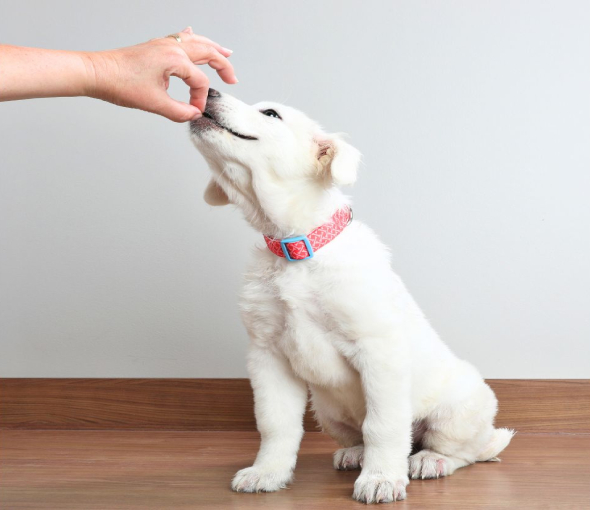
Every puppy deserves a reward for being the adorable, tail-wagging bundle of joy they are. But when it comes to choosing the right treat, pet parents often wonder: What’s actually safe and healthy for my pup? That’s where vet approved puppy treats come in. These specially formulated snacks offer not just great taste, but peace of mind, knowing your furry friend is munching on something nutritious and safe. Whether you’re training, bonding, or just showing love, the right treat makes all the difference.
What Makes a Treat “Vet Approved”?
When a product earns the label “vet approved,” it means it has met strict health, safety, and nutritional guidelines recommended by licensed veterinarians. Vet approved puppy treats are typically:
- Made with high-quality, natural ingredients
- Free from harmful additives and preservatives
- Tailored to support puppy development – including brain, teeth, and bone health
- Sized appropriately for small mouths and developing teeth
These treats are crafted not just to satisfy cravings, but also to support your puppy’s growth journey in a safe and wholesome way.
Top Ingredients to Look For
Choosing the best treat for your puppy starts with the ingredients. Here’s what to look for in the most trusted vet approved puppy treats:
- Real meat (chicken, beef, or salmon) as the first ingredient
- Omega-3 fatty acids for the development of the brain and eyes.
- DHA and EPA for cognitive growth
- Soft texture to protect delicate teeth
- Limited-ingredient formulas for sensitive stomachs
Avoid anything with artificial colors, added sugars, or vague labels like “meat by-products.” If it wouldn’t make it into your own snack bowl, it shouldn’t go into your pup’s!
Training Made Easy – and Delicious
Puppies thrive on positive reinforcement, and nothing works better than a tasty bite-sized reward. The best vet approved puppy treats are designed with training in mind—easy to chew, non-messy, and irresistible. Use them to teach basic commands, crate training, or socialization. Just remember: moderation is key. Treats should make up no more than 10% of your puppy’s daily caloric intake.
Popular Vet Approved Puppy Treat Brands
If you’re looking for specific options, consider these top-rated, vet-backed picks:
- Wellness Soft Puppy Bites – Grain-free and full of DHA
- Blue Buffalo Blue Bits – No by-products or artificial preservatives
- Zuke’s Mini Naturals – Perfect for training sessions
- Hill’s Science Diet Puppy Treats – Designed by vets and nutritionists
Always check with your vet before adding new treats, especially if your puppy has dietary sensitivities.
Top Vet Approved Puppy Treats – Comparison Table
| Brand | Key Ingredients | Texture | Best For | Nutritional Highlights |
|---|---|---|---|---|
| Wellness Soft Puppy Bites | Lamb, Salmon, DHA | Soft & Chewy | Training & Teething | Brain development, no artificial flavors |
| Blue Buffalo Blue Bits | Chicken, Oatmeal, Brown Rice | Moist & Meaty | Daily Rewards | DHA, Omega-3s, no by-product meals |
| Zuke’s Mini Naturals | Chicken, Apples, Carrots | Soft & Small | Training Sessions | Low calorie, no corn/wheat/soy |
| Hill’s Science Diet Puppy Treats | Chicken Meal, Whole Grains | Crunchy Bites | General Treating | Vet-formulated, antioxidants for growth |
| Merrick Power Bites Puppy | Deboned Chicken, Sweet Potato | Soft Chew | High-Reward Treats | Grain-free, high protein, DHA-rich |
Conclusion: Love at First Bite – and Peace of Mind
Your puppy deserves the very best, and that includes what goes into their treat jar. By choosing vet approved puppy treats, you’re making a thoughtful decision that supports their health, growth, and happiness. From training sessions to cuddle-time rewards, these treats aren’t just delicious—they’re safe, nutritious, and recommended by professionals who care about your pup as much as you do.
So go ahead—let your puppy fall in love at first bite!
Frequently Asked Questions (FAQ)
Treats should make up no more than 10% of your puppy’s daily caloric intake. The exact number depends on your puppy’s size, age, and activity level. Always check the treat package for serving guidelines and consult your vet for personalized advice.
Most puppies can start receiving soft treats around 6 to 8 weeks old, once they’re weaned and eating solid food. Start with small, soft options that are easy to chew and digest.
Homemade treats can be safe and healthy if made with dog-friendly ingredients like pumpkin, oats, and lean meats. Steer clear of ingredients that are harmful to dogs, such as chocolate, grapes, onions, and xylitol. Always check with your vet before introducing new homemade recipes.
Training treats are usually smaller, lower in calories, and designed to be quickly consumed during training sessions. Regular treats might be larger or more indulgent and are better used for occasional rewards rather than repetitive reinforcement.
Itching, gastrointestinal distress, including vomiting or diarrhea, and ear infections are all signs of a food allergy or sensitivity. If your puppy shows any unusual symptoms after trying a new treat, stop giving it immediately and consult your veterinarian.