
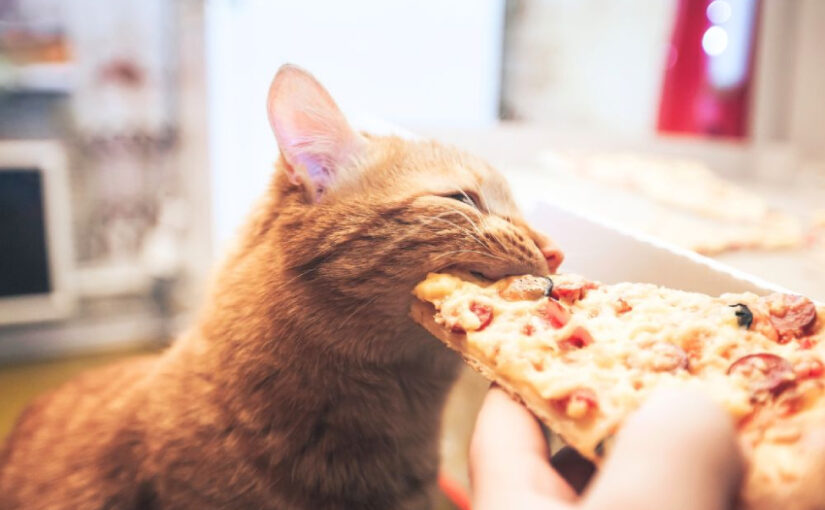
Cats are notoriously picky eaters, but sometimes pet owners wonder, what can cats eat instead of cat food? Whether it’s due to emergencies, travel, or simply wanting to give your feline friend a tasty treat, it’s essential to know which foods are safe and healthy. Not all human foods are suitable for cats, and some can even be toxic. In this article, we’ll explore safe alternatives to commercial cat food that can keep your kitty healthy and satisfied.
Understanding Your Cat’s Nutritional Needs
Before considering alternatives, it’s essential to acknowledge that cats are carnivore obligates. This means they require a diet rich in protein and specific essential nutrients, such as taurine, arginine, and vitamin A, which are naturally found in meat. Simply feeding your cat fruits, vegetables, or grains will not meet their nutritional needs. Knowing this helps guide what can cats eat instead of cat food safely.
Safe Foods Cats Can Eat Instead of Cat Food
Here are some of the best human foods that can serve as occasional or emergency alternatives to commercial cat food:
1. Cooked Meat
- Chicken, turkey, beef, or lamb (plain, no seasoning or bones)
- Rich in protein and essential amino acids
- Serve small portions and ensure it’s thoroughly cooked to avoid bacterial contamination
2. Fish
- Salmon or tuna (cooked and in moderation)
- Provides omega-3 fatty acids for a healthy coat
- Avoid raw fish or canned tuna as the main diet—it lacks essential nutrients
3. Eggs
- Scrambled or boiled eggs
- Excellent protein source
- Ensure they are fully cooked to prevent Salmonella
4. Certain Vegetables
- Carrots, peas, spinach (cooked and finely chopped)
- Can be added to meat for fiber
- Avoid onions, garlic, and chives—they are toxic to cats
5. Dairy (in limited amounts)
- Plain yogurt or cheese
- Some cats are lactose intolerant, so offer in small quantities
- Great as an occasional treat rather than a meal replacement
6. Small Portions of Fruits
- Blueberries, cantaloupe, or apple slices (no seeds)
- Offer antioxidants and fiber
- Always give in moderation, as cats don’t require fruit
Foods to Avoid
Knowing what cats shouldn’t eat is just as important as knowing safe options:
- Chocolate, caffeine, alcohol
- Onions, garlic, leeks, chives
- Grapes and raisins
- Raw dough or raw fish in large amounts
Tips for Feeding Alternatives Safely
- Slowly incorporate new foods to avoid causing digestive issues.
- Avoid seasoning, sauces, or spices.
- Stick to small portions as treats or meal supplements, not daily staples.
- Ensure fresh water is always available.
Safe Human Foods for Cats at a Glance
| Food Category | Examples | Serving Tips & Precautions |
|---|---|---|
| Cooked Meat | Chicken, Turkey, Beef, Lamb | Plain, fully cooked, no bones or seasoning |
| Fish | Salmon, Tuna | Cooked, small portions, occasional treat |
| Eggs | Scrambled, Boiled | Fully cooked to avoid salmonella |
| Vegetables | Carrots, Peas, Spinach | Cooked and finely chopped; avoid onions, garlic, chives |
| Dairy (Limited) | Plain Yogurt, Cheese | Small amounts only; check for lactose intolerance |
| Fruits (Limited) | Blueberries, Cantaloupe, Apple | Remove seeds; give in moderation |
Conclusion
If you’re asking what can cats eat instead of cat food, there are several safe options available, including cooked meats, eggs, certain vegetables, and occasional fruits. Always remember that these foods should complement, not completely replace, a balanced commercial cat diet, unless directed by a veterinarian. Feeding your cat the right alternatives ensures they stay healthy, happy, and thriving without risking nutritional deficiencies or toxicity.
Frequently Asked Questions (FAQ)
Raw meat carries a risk of bacteria like Salmonella and E. coli, which can make cats sick. If feeding meat, it’s safer to cook it thoroughly and remove any bones.
Yes, fully cooked eggs are a healthy source of protein and essential amino acids. Steer clear of raw eggs to minimize the risk of foodborne illness.
Small amounts of fruits like blueberries, cantaloupe, or peeled apple slices can be offered as treats. Always remove seeds and give in moderation.
Some cats can handle small quantities of plain yogurt or cheese, but many are lactose intolerant. Introduce dairy slowly and watch for digestive upset.
Certain vegetables like cooked carrots, peas, and spinach can provide fiber and nutrients. Avoid onions, garlic, and chives, which are toxic to cats.