
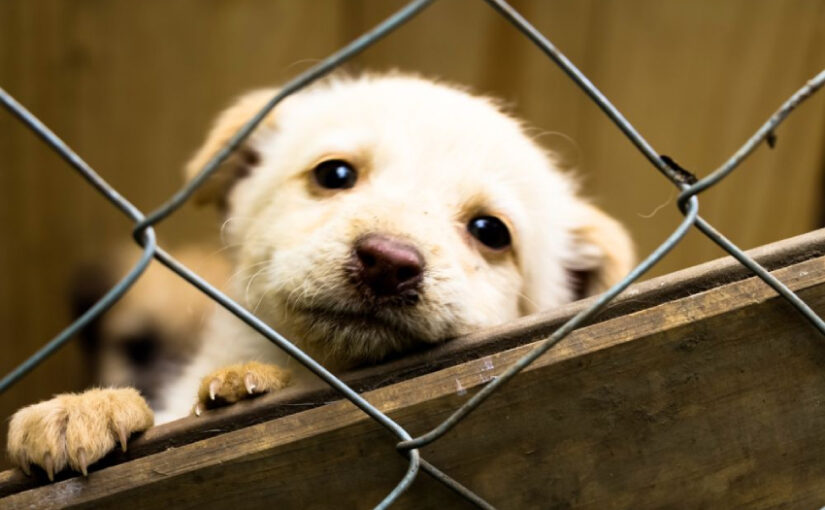
Welcoming a new pet into your home is a thrilling experience, but before you jump in, you may be wondering: what does it mean to adopt a puppy? Adoption is more than just choosing a pet — it’s a lifelong commitment that brings joy, responsibility, and a lot of learning. Whether you’re adopting from a shelter, rescue group, or foster care, understanding what to expect can set you and your new pup up for a successful, loving relationship.
Understanding Puppy Adoption
At its core, what does it mean to adopt a puppy? It means giving a homeless dog a second chance at life. Unlike buying from a breeder or pet store, adoption often involves rescuing animals that have been abandoned, surrendered, or born into unfortunate circumstances. When you adopt, you’re not just getting a pet — you’re saving a life and opening space for another animal in need.
Puppies in shelters may come with unknown backgrounds, and while that can present some challenges, it also offers a unique opportunity to nurture and shape their future. Many shelters offer essential services like vaccinations, spaying/neutering, and microchipping, making adoption both cost-effective and socially responsible.
What to Expect After Adopting a Puppy
Once you’ve answered the question, what does it mean to adopt a puppy, the next step is preparation. Here’s what you can expect after bringing your new companion home:
1. Adjustment Period
Puppies need time to adjust to new surroundings. Your home may feel overwhelming at first, especially for rescue dogs. Be patient as they get used to new sights, smells, and routines.
2. Training & Socialization
Most adopted puppies will need basic obedience training. Housebreaking, crate training, and teaching commands like “sit” and “stay” are essential for a well-behaved dog. Socialization is also critical — expose your puppy to people, places, and other pets early on.
3. Health Checkups
Even if your puppy is up-to-date on vaccinations, a visit to the vet within the first week is important. Establish a wellness plan that includes vaccines, deworming, flea control, and diet recommendations.
4. Time, Love, and Patience
Adoption is a commitment. Puppies require daily care, exercise, and plenty of affection. The bond you build will grow stronger over time, making all the effort worthwhile.
Benefits of Adopting a Puppy
Still not sure what does it mean to adopt a puppy? Consider the benefits:
- You’re saving a life and supporting your local shelter.
- Adopted puppies are often more affordable than those bought from breeders.
- Many rescues evaluate temperament, making it easier to find a good match.
- The emotional reward of helping a vulnerable animal is unmatched.
What to Expect When You Adopt a Puppy
| Area | What to Expect |
|---|---|
| Adjustment Period | Your puppy may be shy, anxious, or overly energetic while getting used to your home. |
| Training Needs | Basic obedience training and housebreaking are essential. Consistency is key. |
| Health & Vet Visits | Schedule an initial vet visit and follow a vaccination, deworming, and wellness plan. |
| Socialization | Introduce your puppy to people, other animals, and different environments early. |
| Time Commitment | Puppies require daily care, exercise, and supervision—plan your schedule accordingly. |
| Emotional Investment | Building trust and a bond takes time, love, and patience. |
Conclusion: Embracing the Journey
So, what does it mean to adopt a puppy? It means welcoming a loyal companion into your life and taking on the responsibility of their health, happiness, and growth. While challenges are inevitable, the love and companionship a dog brings are beyond measure. If you’re ready to provide a forever home, adoption might just be the most fulfilling decision you’ll ever make.
Frequently Asked Questions (FAQ)
Adoption is often more affordable and gives a homeless animal a second chance. While breeders may offer detailed lineage and predictability in traits, shelters and rescues are full of loving puppies in need of homes.
Adjustment times vary, but most puppies begin to settle within 2–4 weeks. Patience, routine, and positive reinforcement help build trust during this transition period.
You’ll need essentials like food and water bowls, a collar and leash, a crate, chew toys, puppy food, and cleaning supplies. Having everything ready can ease your puppy’s transition.
Yes, many shelters provide core vaccinations, microchipping, and spay/neuter procedures before adoption. It’s still important to follow up with your veterinarian for ongoing care.
Create a calm, predictable space with familiar scents and sounds. Use a crate as a safe haven, maintain a routine, and offer plenty of gentle interactions to build security.