
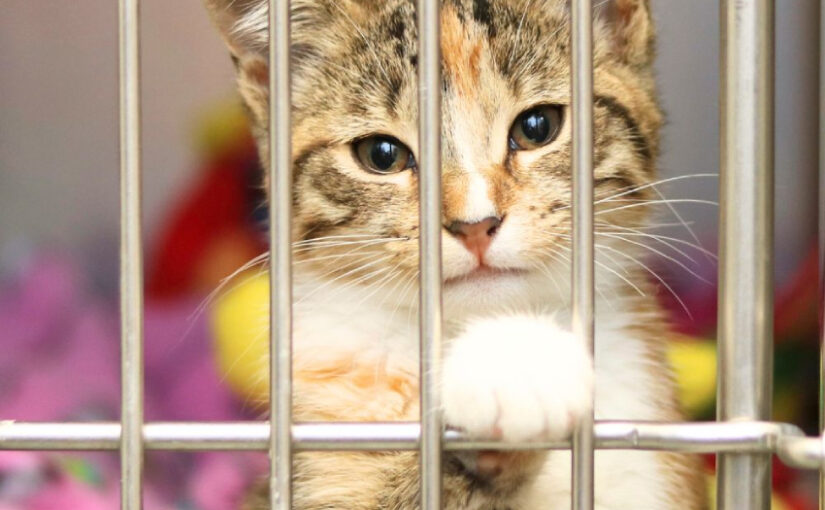
If you’ve ever wondered what does it mean to foster a cat, you’re not alone. With overcrowded shelters and limited resources, fostering has become a crucial part of animal rescue efforts. Taking in a cat for fostering involves providing a loving, caring, and secure home to a cat in need on a temporary basis until they are adopted by their permanent family. But what can you really expect when you decide to foster a cat? Let’s break it down.
What Does It Mean to Foster a Cat?
To put it simply, fostering a cat means you are taking in a cat that doesn’t yet have a permanent home. You’ll be responsible for their daily care, including feeding, litter box maintenance, socialization, and sometimes administering medications. Fostering can last anywhere from a few days to several months, depending on the cat’s needs and adoption timeline.
Numerous shelters and rescue groups depend on foster homes to assist cats in healing from surgery, acclimate to life beyond the shelter, or just to bide their time until an opening becomes available in an adoption center. When you ask, what does it mean to foster a cat, you’re stepping into a vital role in an animal’s journey toward a better life.
What to Expect When Fostering a Cat
1. Initial Adjustment Period
Expect some shyness or anxiety at first, especially if the cat has had a rough past. They may hide or avoid interaction for the first few days. Be patient — building trust takes time.
2. Basic Supplies and Setup
You’ll need basic cat supplies like a litter box, food and water bowls, cat food, a scratching post, and a cozy sleeping area. Many rescues will provide some or all of these.
3. Vet Visits and Medical Care
In some cases, foster cats need medical attention. You may be asked to bring them to vet appointments, give medications, or monitor healing from surgery. Costs are typically covered by the rescue.
4. Socialization and Love
A huge part of fostering is giving cats the human interaction they may not have experienced in a shelter. Playing, cuddling, and simply spending time with them helps improve their chances of adoption.
5. Letting Go
One of the most challenging aspects of fostering is parting ways. But remember — your role is to prepare them for a loving forever home. Seeing them thrive with a new family is a rewarding experience.
Benefits of Fostering a Cat
- Saves Lives: Fostering creates space in shelters for other animals in need.
- Flexible Commitment: You can choose when and how often you foster.
- Personal Growth: You’ll learn about animal care, patience, and compassion.
- Feel-Good Impact: Knowing you helped a cat find a loving home is incredibly fulfilling.
If you’re still asking what does it mean to foster a cat, think of it as becoming a stepping stone in that cat’s life — helping them transition from uncertainty to stability.
Quick Guide: What to Expect When Fostering a Cat
| Aspect | What to Expect |
|---|---|
| Duration | Can range from a few days to several months, depending on the cat’s needs. |
| Daily Care | Feeding, litter box cleaning, playtime, grooming, and basic observation. |
| Medical Needs | May include vet visits, medications, post-surgery care (usually covered by rescue). |
| Behavior | Cats may be shy, fearful, or overly affectionate — patience is key. |
| Emotional Attachment | Bonding is natural — saying goodbye can be hard, but it’s part of the journey. |
| Support Provided | Many rescues offer supplies, training, and 24/7 support for foster caregivers. |
| Your Impact | Fostering directly helps reduce shelter overcrowding and saves lives. |
Conclusion: Is Fostering a Cat Right for You?
So, what does it mean to foster a cat? It means offering your time, space, and heart to a cat in need — even if only temporarily. It’s not always easy, and it may require effort and emotional investment, but the rewards are immeasurable. Fostering not only changes the life of a cat — it can change yours too.
Frequently Asked Questions (FAQ)
Foster periods can vary widely depending on the cat’s age, health, and adoption interest. Some cats may stay just a few days, while others may need several months of care before finding a permanent home.
Most rescue organizations cover the major costs like food, vet care, and supplies. However, some fosters choose to contribute by purchasing toys or treats out of pocket.
Yes, in many cases, fosters can express preferences for age, temperament, or special needs. Rescue groups typically try to match cats with the most suitable foster homes.
It can be difficult to part ways emotionally, particularly after forming a connection. But seeing your foster cat go to a loving forever home is incredibly rewarding — and opens up space to help another.
Some do! Many foster cats benefit from gentle socialization, basic behavior training, or even just consistent affection. This helps them become more adoptable and comfortable around people.