
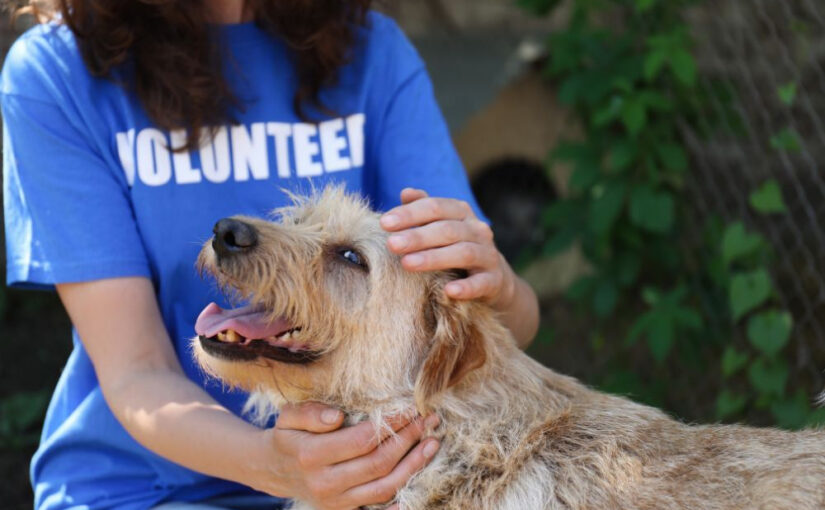
If you’ve ever wondered, what does it mean to foster a dog, you’re not alone. With millions of dogs in shelters across the country, fostering has become a crucial way to make a direct impact. Fostering a dog means providing a temporary, loving home to a pup in need until they are adopted. It’s more than just a kind gesture—it can truly save a life.
Foster a Dog: What Does It Mean?
Fostering a dog is the act of temporarily caring for a dog who needs shelter, love, and socialization. Shelters and rescue groups frequently depend on foster homes to ease overcrowding and offer dogs a superior environment compared to a kennel. So, what does it mean to foster a dog, practically speaking?
It means:
- Opening your home to a dog in transition—whether they were rescued from the streets, surrendered by an owner, or pulled from a high-kill shelter.
- Providing basic care, such as feeding, walking, and taking them to vet appointments.
- Helping them adjust—some dogs have never known a home, and your patience and kindness help them learn how to trust.
- Supporting adoption efforts, often by sharing updates, photos, or attending meet-and-greet events.
Many foster parents also help train or housebreak dogs, making them more adoptable. Your temporary support could be the bridge a dog needs to find a forever home.
Why Fostering Matters: Every Home Counts
When you foster a dog, you’re not just helping one animal—you’re helping the entire shelter system. Every time someone says “yes” to fostering, it opens up space for another dog in need. In overcrowded shelters, fostering can be the difference between life and death.
Consider this:
- Dogs that are fostered are more likely to be adopted because they show better in home-like environments.
- Foster homes reduce stress for dogs, making them healthier and more social.
- Fostering provides critical behavioral insights to potential adopters—like how the dog behaves with kids, other pets, or in the home.
So again, what does it mean to foster a dog? It means becoming a hero—quietly, in your own home, one dog at a time.
How to Get Started with Dog Fostering
If you feel inspired to help, here are some easy steps to start fostering:
- Contact a local shelter or rescue – Many have dedicated foster programs.
- Complete an application – You’ll answer questions about your home, lifestyle, and experience.
- Meet your foster dog – Some programs match you with the right fit; others let you choose.
- Start fostering! – Most organizations cover vet care and some supplies, while you provide the love and structure.
Don’t worry about being perfect—what dogs need most is your time, attention, and willingness to care.
Benefits of Fostering a Dog: Who Wins and How
| Who Benefits | How They Benefit |
|---|---|
| The Dog | – Escapes the stress of a shelter- Learns to trust humans- Becomes more adoptable |
| The Foster Parent | – Experience the joy of helping- Learn about dog care- No long-term commitment needed |
| Animal Shelters | – Free up space for more rescues- Get better behavior reports for adoption- Save more lives |
Conclusion: Save a Life Today
In summary, what does it mean to foster a dog? It means becoming a temporary guardian for a dog in need, offering them comfort, safety, and a stepping stone to a better life. It’s a powerful way to make a difference—without the long-term commitment of adoption.
Every dog you foster is a life saved. Every home offered is a chance given. So if you’re wondering how to help, start with fostering. It’s one of the most rewarding ways to be the reason a dog gets their second chance.
Ready to save a life today? Fostering might be your perfect path.
Frequently Asked Questions (FAQ)
Foster arrangements can vary from just a few days to several months, based on the dog’s requirements and the speed at which they find a new home. Some dogs are adopted quickly, while others may take longer due to age, health, or behavioral factors.
Most rescue organizations and shelters cover veterinary care and may provide supplies like food, bedding, or crates. However, some fosters choose to cover additional costs as a personal contribution.
Yes! This is known as a “foster fail” and happens when a foster decides to adopt their foster pet permanently. It’s a common and heartwarming outcome.
No prior experience is required. Most programs offer guidance and support, making it easy for first-time fosters to succeed. Patience and a willingness to learn are the most important qualities.
Dogs are incredibly adaptable. While they may miss you briefly, they quickly bond with their new forever families. Knowing you helped them get there makes it all worthwhile.