
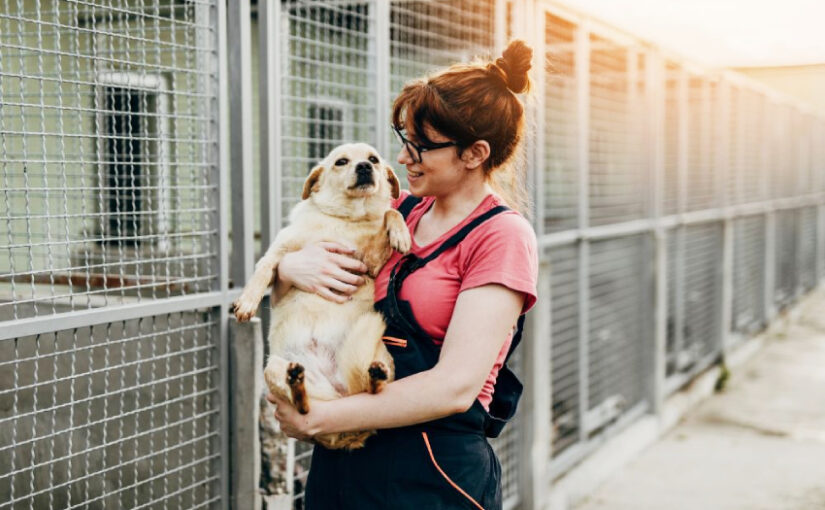
Every year, millions of animals end up in shelters, waiting for a second chance at life. Although purchasing a pet from a breeder or pet shop might appear to be easy, there are a handful of reasons why adopting a pet is better than buying. From saving lives to supporting ethical treatment of animals, adoption offers benefits that go far beyond companionship.
1. You’re Saving a Life
The most compelling reason why adopting a pet is better than buying is simple: you’re giving an animal a second chance. Shelters are often overcrowded, and animals that don’t get adopted face uncertain futures. By choosing adoption, you directly save a life—and in many cases, free up space for another animal in need.
2. Shelter Pets Are Often Health-Checked and Vaccinated
Adopted pets typically come with medical care already provided, including vaccinations, spaying or neutering, and health screenings. This not only ensures a healthier pet but can also save you hundreds of dollars. Buying a pet, especially from an unverified breeder, may come with hidden health risks and no guarantee of care.
3. You Fight Against Animal Cruelty and Puppy Mills
When you adopt, you take a stand against puppy mills and unethical breeding practices. Many commercial breeding facilities prioritize profit over animal welfare, resulting in poor living conditions and overbreeding. Choosing adoption is a humane alternative that supports shelters and rescue organizations working to end animal cruelty.
4. There’s a Perfect Match for Everyone
Contrary to popular belief, shelters offer pets of all breeds, ages, and temperaments. Whether you’re looking for a playful puppy, a laid-back senior dog, or a unique cat with character, you’re likely to find your perfect match through adoption. Understanding why adopting a pet is better than buying means recognizing the diversity and potential of shelter animals.
5. Adoption Is More Affordable
Adopting a pet is often far less expensive than buying one. Adoption costs typically include vital services like vaccinations, microchipping, and spaying/neutering. In contrast, buying a pet can cost hundreds or even thousands of dollars—and that’s before any medical care.
Adoption vs. Buying: A Side-by-Side Comparison
| Factor | Adopting a Pet | Buying a Pet |
|---|---|---|
| Cost | Usually low; includes vaccinations and spay/neuter | Often expensive; medical costs usually extra |
| Health Screening | Typically health-checked, vaccinated, and microchipped | Varies; often not included unless from a reputable breeder |
| Saving a Life | Yes — gives a homeless pet a second chance | No direct impact on animal overpopulation |
| Ethical Impact | Supports shelters and reduces demand for puppy mills | Can fuel unethical breeding practices |
| Breed Variety | Mixed and pure breeds available | Typically limited to specific breeds |
| Wait Time | Immediate availability in most shelters | May involve waiting lists or shipping |
| Support & Education | Many shelters offer post-adoption support and guidance | Limited or no aftercare support from sellers |
Conclusion: Make a Difference That Matters
In the end, why adopting a pet is better than buying comes down to compassion, ethics, and making a positive impact. Adoption saves lives, reduces demand for unethical breeding, and fills your home with unconditional love. When you adopt, you’re not just getting a pet—you’re giving hope, healing, and a second chance. So the next time you’re looking for a furry companion, remember: adopt, don’t shop.
Frequently Asked Questions (FAQ)
Adopting from a shelter gives an animal a second chance at life, often includes vaccinations and health checks, and helps reduce overpopulation in shelters.
Yes, most shelters perform health screenings, vaccinations, and behavioral assessments to ensure animals are ready for adoption into safe, loving homes.
Adoption supports local shelters, reduces the number of stray animals, and helps combat unethical breeding practices like puppy mills.
Absolutely. Many shelters and breed-specific rescue groups have purebred animals, in addition to mixed breeds, ready for adoption.
The process usually involves an application, an interview or home visit, and a small adoption fee. Shelters often offer guidance to help match you with the right pet.